Share This Article
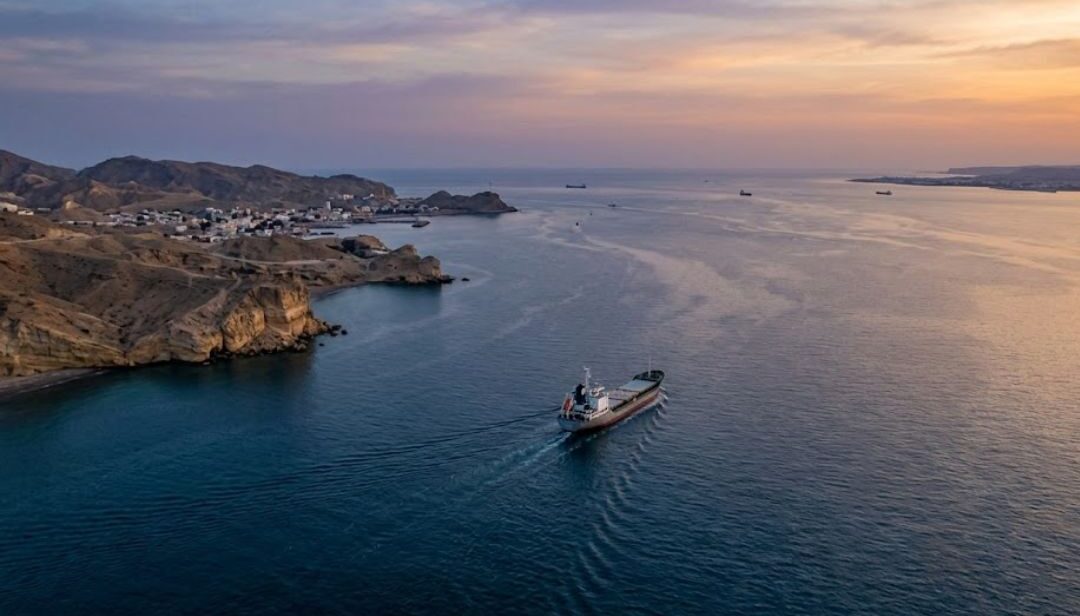
Iran says a deal to reopen the Strait of Hormuz is nearly finalized but Tehran is drawing a hard line: the waterway will not fully reopen until Washington meets its own end of the bargain. The statement adds a new twist to a fast-moving diplomatic push that has kept oil markets, shipping companies, and Trump-watchers on edge all week.
Here’s everything you need to know about the strait of the Hormuz reopening deal, where negotiations currently stand, and what could happen next.
Why the Strait of Hormuz Reopening Is Making Headlines
Iran said this week it has reached the final stage of drafting an agreement with Oman on the movement of ships through the Strait of Hormuz. President Donald Trump said a deal could be announced within days, and his treasury secretary suggested it could be sealed as early as midweek. On the surface, that sounds like the strait is about to reopen.
Iran’s message is more guarded. Tehran says a shipping arrangement with Oman is not the same thing as reopening the strait to free international traffic. According to Iranian officials, the waterway will only reopen once the United States meets a set of commitments that Iran says Washington has failed to honor. In other words, the reopen strait of hormuz question is now tied to a broader bargain, not just to shipping lanes.
Iran’s Position: Deal Is Close, But US Must Act First
Iranian officials say negotiators have reached the “final stage” of drafting the agreement with Oman, with the draft now awaiting sign-off from Iran’s Supreme Leader. According to Iranian negotiating committee member Saeed Ajorlu, the goal is a temporary arrangement lasting roughly one to three months under which Iran retains dominant control over security, demining, and maritime services inside the strait.
Crucially, Iran has signaled that any reopening is contingent on the United States lifting its naval blockade of Iranian ports. That is the “commitment” Tehran is referring to when it says the US must act before the strait reopens. Iran has also publicly denied holding direct talks with Washington, instead framing the negotiations as being conducted through Oman as a neutral intermediary.
Here are Some Related Blogs to Read
- NATO chief calls US strikes on Iran “absolutely necessary”
- Will gold rally as US-Iran tensions escalate
- Oil jumped but the market stayed calm
- 5 takeaways from Tuesday’s 2026 primaries
- US tariff system reset across 60 economies
- Trump tariffs Section 122 surcharge expires
- Trump had deliberately paused Hormuz operations to force Iran into a deal
- JD Vance claims Hegseth has been misleading Trump on the Iran war
- Iran has been digging out hidden missile stockpiles after rejecting Trump’s peace offer
- US Navy destroyer just fired on and seized an Iranian cargo ship
- Iran and Israel’s spy war is heating up amid claims of stolen F-15 secrets
- he’s now clashing with his own SCOTUS picks back home
- see what the UK’s mine-hunter deployment really signals.
- Trump-era geopolitical coverage at DonaldTrump.Coach
- Stay ahead of the story track it live or get the full background on how the US-Iran war escalated to this point.
Trump’s Response: Optimistic, But With a Warning
President Trump has struck an upbeat tone in recent days, telling Fox News that the US and Iran are having “very good discussions,” even as Tehran downplays direct engagement. At the same time, Trump has kept a threat on the table: if Iran backs out of its commitments again, he says the US will resume strikes.
“The Strait’s going to be open very soon or they are going to get hit very hard,” Trump said, adding that renewed military action remains his last resort rather than his first choice. Regional partners reportedly asked the US to hold off on new strikes over the weekend to give diplomacy one more opportunity to work.
What the Emerging Hormuz Deal Reportedly Includes
Based on reporting from regional officials and negotiators briefed on the talks, the emerging framework includes:
- A roughly 60-day temporary arrangement between Iran and Oman governing traffic through the strait
- Ships entering the Persian Gulf via an Iranian-controlled route and exiting via an Oman-controlled route
- Iran maintaining control over security, demining, and maritime services within its route
- The deal serves as a bridge to restart broader US-Iran negotiations over Tehran’s nuclear program
- A US decision on whether to lift its blockade of Iranian ports, seen as the key sticking point
None of this has been formally signed. Officials caution the arrangement remains a temporary fix rather than a permanent resolution to the broader conflict.
Market Reaction to the Strait of Hormuz Reopening News
Optimism around a possible deal has already moved markets. Oil prices dropped below $80 per barrel on reports that a deal was close, while US equities rallied on the news, with major indexes touching record highs. Any confirmed reopening, even a temporary one, would likely ease global energy price pressure that has persisted since the strait’s closure, though analysts note it may take months for the broader economic impact to fully unwind.
What Happens Next in the US-Iran Standoff
Several open questions remain before the strait can fully reopen:
- Supreme Leader approval – The draft deal still needs sign-off from Iran’s leadership before it can move forward.
- US blockade decision – Washington has not confirmed whether it will lift the naval blockade on Iranian ports, the condition Iran has tied to full reopening.
- Verification and enforcement – How the temporary route will be monitored, and by whom, remains unresolved.
- Broader nuclear talks – Both sides have signaled the Hormuz arrangement is meant to be a stepping stone to renewed negotiations over Iran’s nuclear program.
Given how quickly this situation has shifted over the past several months including a prior deal that collapsed after being announced most analysts are treating this latest round of optimism with cautious skepticism until an agreement is formally signed and implemented.
Frequently Asked Questions
Is the Strait of Hormuz open right now?
As of this week, the strait remains closed to normal commercial traffic while Iran, Oman, and the US finalize a temporary reopening arrangement. Officials say an announcement could come soon, but the deal has not yet been signed.
Why does Iran say the US needs to meet its commitments first?
Iran has tied full reopening of the strait to the US lifting its naval blockade on Iranian ports. Tehran views this as a required US commitment under the framework being negotiated.
What does Iran want in exchange for reopening the strait?
Iran has asked the United States to lift its naval blockade of Iranian ports, roll back reimposed sanctions especially on oil, resume talks over frozen Iranian assets, and address commitments related to Lebanon from an earlier memorandum of understanding.
Can Iran legally charge ships to use the strait?
Under international maritime law, tolls generally cannot be charged for passage through an international strait, but a coastal state may charge for genuine services such as navigation assistance or pilotage. Iran’s proposal to collect service fees is one of the main points of dispute.
Could Trump order new strikes on Iran if the deal collapses?
Yes. Trump has repeatedly said that if Iran does not follow through on its commitments, the US could resume strikes, though he has framed this as a last resort behind continued diplomacy.
How does the Strait of Hormuz closure affect oil prices and gas prices?
When the strait is threatened or closed, traders price in the risk of lost oil supply and crude prices rise worldwide, which feeds into pump prices within days. When a reopening looks likely, that risk premium comes back out and prices tend to fall.
Is this the first attempt at a Strait of Hormuz deal?
No. An earlier agreement was reached in June aimed at extending the ceasefire and reopening the strait, but it ultimately collapsed, which is part of why officials are treating the current talks cautiously.
References & Sources
- CNN Live Updates – Iran War, Trump
- Iran and the U.S. say a Strait of Hormuz deal is close, but one or both would have to back down – NBC News
- US nears Iran deal to reopen Strait of Hormuz – Axios
- Trump sees progress on deal with Iran to reopen Strait of Hormuz – The Washington Times
- Strait talk: U.S. and regional partners see progress toward reopening Hormuz chokepoint – The Washington Times
- Iran continues Hormuz talks with Oman, US signals optimism on deal – CNN
- Iran and U.S. reach an initial deal to extend the ceasefire and open the Strait of Hormuz but challenges remain – PBS News / AP

Oil & Energy Markets
A look at crude price swings, OPEC supply moves, and how energy markets react to geopolitical shocks.

Geopolitics & Conflict
Breaking down how wars, ceasefires, and diplomatic deals ripple through global trade and security.
US Foreign Policy
Coverage of Trump administration negotiations, sanctions, and strategic decisions shaping world events.
Economy & Inflation
Tracking how commodity prices, gas costs, and supply chains affect everyday consumers.