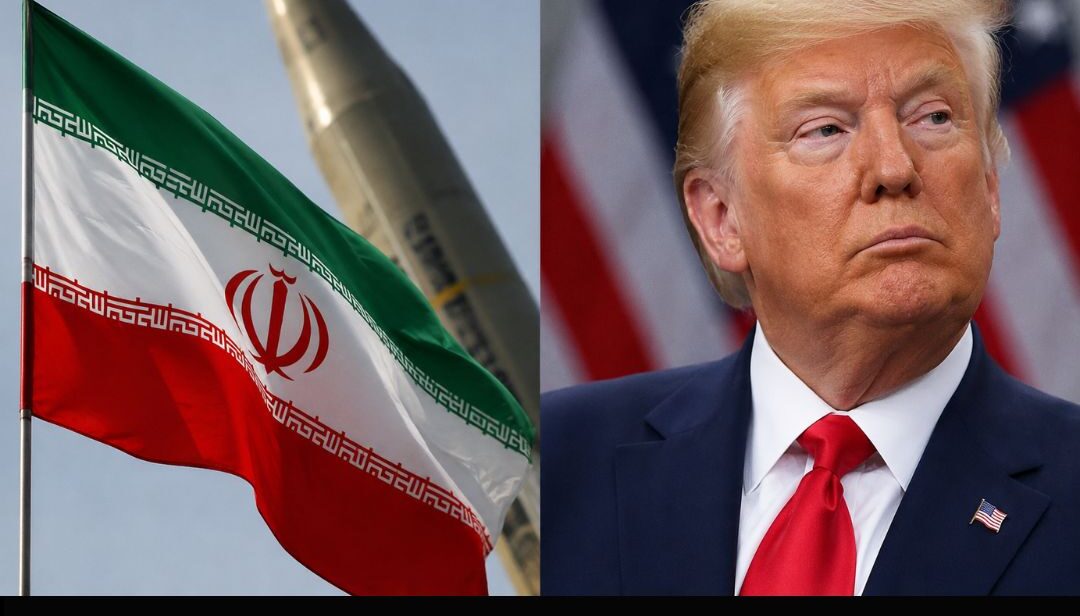
In one of the most striking about faces seen on Capitol Hill this year, the Senate reversed course on its own Iran War Powers rebuke of President Trump, voting down a nearly identical resolution just one day after approving it. The whiplash sequence, which played out between Tuesday and Wednesday night, exposed deep fractures inside the Republican conference even as it ultimately delivered the outcome the White House wanted.
A Rare Rebuke, Then a Reversal
On Tuesday, the Senate voted 50 to 48 to approve a House passed concurrent resolution directing President Trump to remove US Armed Forces from hostilities against Iran unless Congress explicitly authorizes continued military action. Four Republicans, Susan Collins, Lisa Murkowski, Rand Paul, and Bill Cassidy, broke with their party to join nearly every Democrat in the chamber. It marked the first time in nine attempts that an Iran War Powers resolution had cleared the simple majority threshold in the Senate.
President Trump did not take the vote quietly. In a Truth Social post that night, he called the four Republicans losers and accused the chamber of giving aid and comfort to what he described as the number one sponsor of terror in the world.
The fallout arrived fast. By Wednesday, Trump had summoned Senate Republicans for a tense Capitol meeting, where he reportedly clashed directly with Cassidy over why members of his own party would vote to curb his war powers. Cassidy later told reporters the exchange escalated before cooling down, and did not deny reports that Trump called him a lunatic during the confrontation.
Hours after that meeting, the dynamics shifted. Cassidy received a White House briefing from Vice President JD Vance and special envoy Steve Witkoff, after which he said the conversation addressed many of his concerns. That night, a separate but nearly identical resolution sponsored by Senator Tim Kaine failed in a procedural vote, 50 to 47. Cassidy voted against advancing it, and Paul voted present, citing a wish to give the president more room to negotiate a lasting peace, even as he maintained his underlying position on executive war powers had not changed.
Collins and Murkowski stood firm both times, again voting with most Democrats to advance the measure.
What Changed in 24 Hours
Senate Majority Leader John Thune later told reporters that Trump was pleased with the outcome, and Trump thanked Thune in a follow up social media post, specifically noting that Cassidy and Paul had switched their votes. The White House had already downplayed Tuesday’s vote as symbolic, arguing the concurrent resolution carried no force of law and would never reach the president’s desk, since hostilities, in the administration’s view, ended with the ceasefire that took hold earlier this year.
The Kaine resolution that failed Wednesday was different in one important respect: had it passed both chambers, it would have required Trump’s signature, giving it actual legal weight rather than symbolic value alone. Its failure removed any path toward a binding congressional check, at least for now.
The reversal lands at a politically sensitive moment. The administration is simultaneously asking Congress for an additional 80 billion dollars in supplemental funding to replenish munitions stocks depleted during the conflict, a request that has drawn skepticism from senators in both parties who note that a ceasefire is technically already in place.
Strait of Hormuz Traffic Still Far Below Normal
The war powers fight is unfolding alongside a slow, uneven reopening of the Strait of Hormuz, the chokepoint through which roughly a fifth of the world’s oil and natural gas once flowed daily. Tracking data compiled by Kpler showed at least 20 tankers transiting Hormuz on a single day last week, the highest level since June 2, though total daily traffic, including cargo and container vessels, remained well below the 100 plus ships that crossed before the conflict began.
Bloomberg’s vessel tracking similarly found a handful of tankers, including two fully laden non Iranian supertankers, broadcasting open signals as they crossed the strait, a signal that shipowner confidence is slowly returning even as risk premiums remain elevated. Frontline CEO Lars Barstad told CNBC that traffic could climb quickly once a credible, lasting agreement is in place, though he cautioned a full return to pre-war volumes of 130 to 140 vessels a day is not imminent.
Why It Matters
Tuesday’s vote, brief as its momentum proved, was still the first time any Iran War Powers measure had cleared the Senate after seven previous failed attempts, according to reporting from NBC News. Legal scholars noted that even a symbolic rebuke sends a political signal heading into the midterm elections, particularly as voters grow more focused on the war’s cost. Wednesday’s reversal suggests that signal, for now, has been blunted by direct White House pressure on the senators who delivered it.
For readers tracking the broader US Iran negotiations and their economic ripple effects, ongoing coverage of Strait of Hormuz shipping data from Reuters offers additional context on how tanker traffic is responding to the diplomatic back and forth.
For more on how this fits into the broader US Iran negotiations timeline, read our continuing coverage on donaldtrump.coach.
References and Sources
- NBC News, “Senate rebukes Trump by approving House passed Iran war powers resolution“
- CBS News, “Senate rejects measure to restrict Trump’s Iran war powers as key Republicans shift votes“
- CNN Politics, “Trump administration news, DC rally kicks off America 250 celebration“
- The Hill, “Senate votes to direct Trump to withdraw troops from Iran conflict, 4 Republicans break ranks“
- The Boston Globe / AP, “Senate Republicans reject war powers resolution after Trump berates them at Capitol meeting“
- PBS NewsHour, “In rare rebuke, Senate votes to limit Trump’s war powers in Iran”
- CNBC, “Oil tanker traffic in Strait of Hormuz jumps after US and Iran implement deal to open sea lane“
- Bloomberg, “Hormuz Traffic Picks Up as More Tankers Broadcast Crossings“