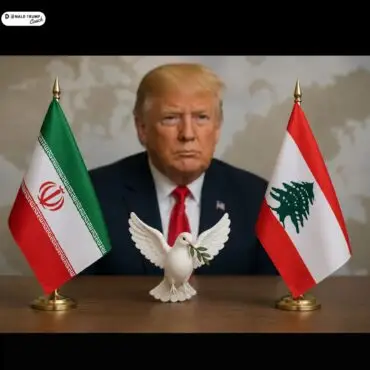
White House Confirms: US Envoys Heading to Pakistan for a Crucial New Round of Iran Nuclear Talks
Theo Jorden
Share This Article
Washington signals fresh diplomatic urgency as Witkoff and Kushner fly to Islamabad even as Tehran insists no direct meeting is planned. The White House has confirmed that US envoys are heading to Pakistan in what could be the most consequential round of US and Iran nuclear talks since a fragile ceasefire halted active hostilities earlier
Washington signals fresh diplomatic urgency as Witkoff and Kushner fly to Islamabad even as Tehran insists no direct meeting is planned.
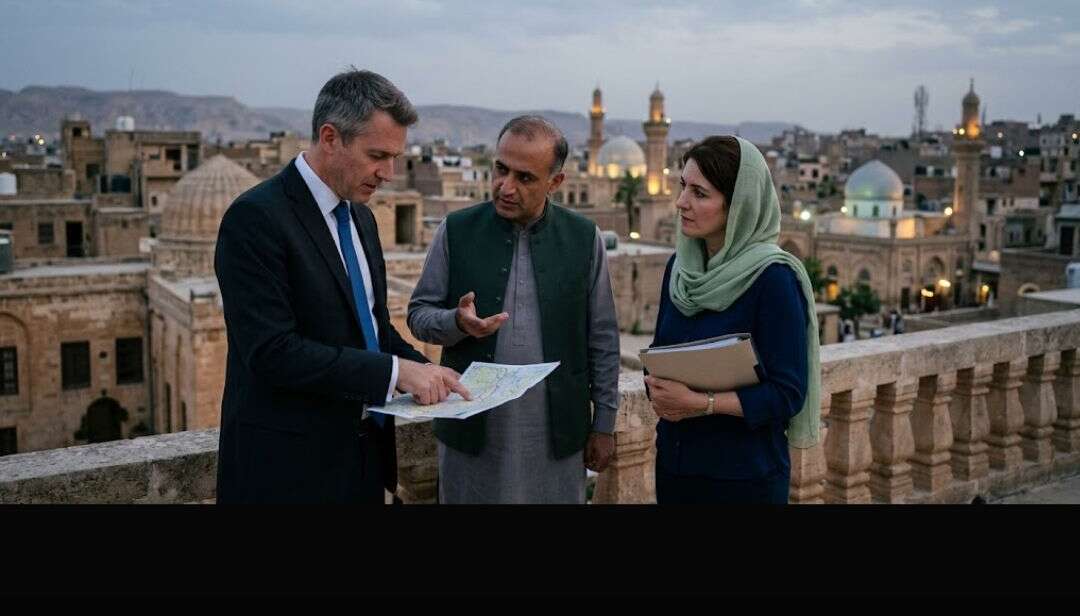
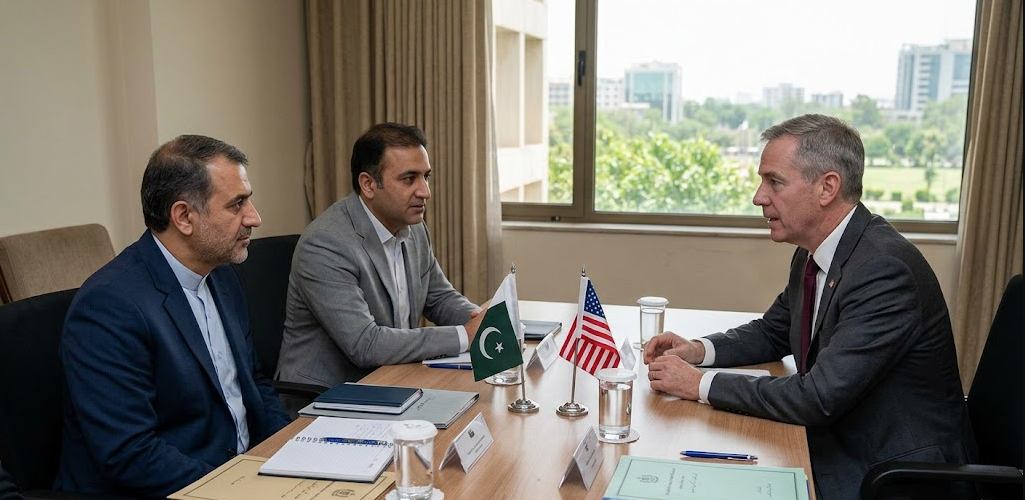
The White House has confirmed that US envoys are heading to Pakistan in what could be the most consequential round of US and Iran nuclear talks since a fragile ceasefire halted active hostilities earlier this month. The White House confirmed that US special envoy Steve Witkoff and President Trump’s son-in-law Jared Kushner are planning to travel to Pakistan for a new round of talks with Iran. NPR The move comes as the world watches a diplomatic high wire act unfold in Islamabad one where both sides claim to be present, yet each disputes what they are actually there to do.
What the White House Is Saying
The Trump administration’s messaging has been direct. White House press secretary Karoline Leavitt said that US envoys would sit down with Iran’s Foreign Minister Abbas Araghchi, expressing hope that parties would “move the ball forward to a deal.” Al Jazeera President Trump himself expressed cautious optimism, telling Reuters that Iran was “making an offer” aimed at satisfying US demands, which include ending its nuclear programme. Al Jazeera
US Defense Secretary Pete Hegseth reinforced the message from the Pentagon’s side. Hegseth said Iran still had an “open window” to strike a deal and abandon its pursuit of a nuclear weapon in “meaningful and verifiable ways.” Al Jazeera
Yet the signals from Tehran are considerably murkier. Iran’s Foreign Ministry spokesperson Esmaeil Baghaei said there are “no plans for a meeting between Iranian and US negotiators in Pakistan,” adding that “Iran’s observations would be conveyed to Pakistan.” CNN This marks the latest in a week full of conflicting messages from Washington and Tehran — a pattern that has become a defining feature of Trump’s Iran nuclear talks diplomacy.
The Islamabad Backdrop: A Process, Not Just a Meeting
This is not the first time Pakistan’s capital has served as the stage for these high-stakes negotiations. The Islamabad Talks, held on 11 and 12 April 2026, were aimed at stabilizing the Iran war ceasefire and negotiating a potential resolution. The 300-member US negotiating team was led by Vice President JD Vance, alongside special envoys Steve Witkoff and Jared Kushner, while the 70-member Iranian team was led by parliamentary speaker Mohammad Bagher Ghalibaf alongside Foreign Minister Abbas Araghchi. Wikipedia
Those talks lasted 21 hours but ended without a deal. Both sides reported progress was made, but no agreement was reached. President Trump said “most points were agreed to, but the only point that really mattered — nuclear — was not,” describing Iran as “unyielding” on the issue. Iran’s Foreign Minister said an agreement was “just inches away” but criticized “maximalist demands” from US negotiators. House of Commons Library
This second round carries heightened urgency. Trump unilaterally extended the ceasefire with Iran this week, hours before it was set to expire, without indicating a new expiration date. NPR Iran has called that extension “meaningless,” pointing to a continued US naval blockade of its ports.
The Nuclear Sticking Point — and the Stakes
At the heart of the US-Iran nuclear talks is a fundamental impasse. The US proposal includes an end to Iran’s nuclear program, limits on its missiles, reopening of the Strait of Hormuz, restrictions on Iran’s support for armed groups, and sanctions relief for Iran. The Iranians rejected the US proposal, issuing a counter-proposal that included an end to US-Israeli attacks, security guarantees, war reparations, and international recognition of Iranian sovereignty over the Strait of Hormuz. Wikipedia
The economic dimension of the standoff is severe. Oil prices have surged, with Brent crude edging above $105 a barrel, while LNG markets are projected to remain “tight” through 2026 and 2027, according to the International Energy Agency. Al Jazeera For a global economy still absorbing the shock of the conflict, a failed second round in Islamabad would have consequences far beyond the region.
Denmark Summons US Envoy — Europe’s Parallel Crisis
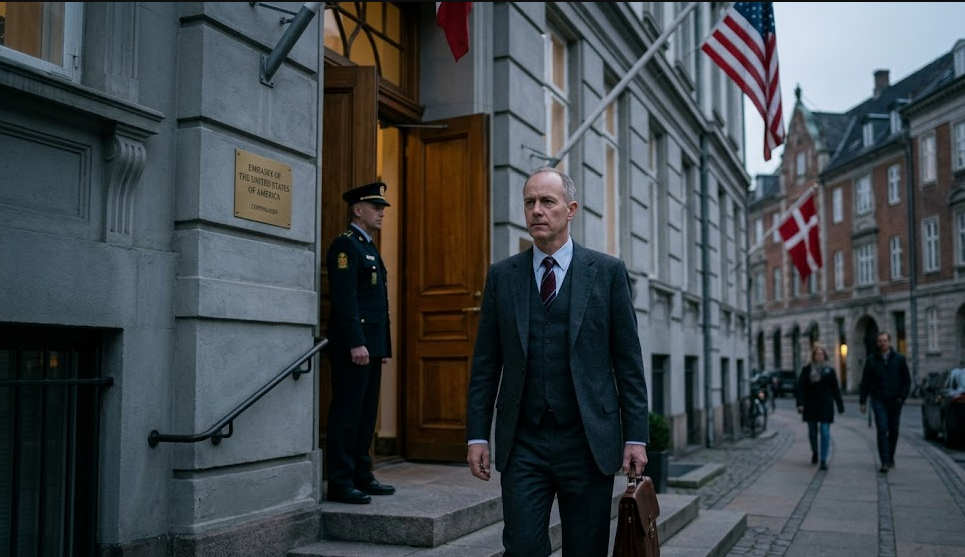
While the US and Iran nuclear talks dominate headlines, a parallel diplomatic rupture is straining Washington’s alliances. Denmark summoned the US envoy over claims of interference in Greenland PBS, part of an escalating confrontation over US territorial ambitions in the Arctic. An internal Pentagon email has suggested suspending Spain from NATO for refusing to join the Iran war and reviewing Britain’s claim to the Falkland Islands Foreign Policy — a revelation that has deepened European alarm over the direction of US foreign policy. Norway’s foreign affairs minister said appetite among NATO members to join the Iran war is “very limited,” arguing that NATO “is not party to the conflict.” Euronews
What Comes Next
Al Jazeera’s reporting from Washington described what appears to be a “graded process” — an initial exploratory phase that could lead to higher-level engagement if negotiations deepen. Al Jazeera Vice President JD Vance is not traveling to Pakistan this time, but will be on standby to fly to Islamabad if talks progress, with members of his staff attending negotiations. CNN
Pakistani mediators are described as “cautiously optimistic” regarding Iran-US talks Al Jazeera, a phrase that captures the mood of a world that desperately wants a deal but has learned not to count on one. Whether this new round of Iran nuclear talks produces a breakthrough or another stalemate, one thing is clear: Islamabad has become the most consequential diplomatic address on earth.
Oil & Energy Markets
A look at crude price swings, OPEC supply moves, and how energy markets react to geopolitical shocks.