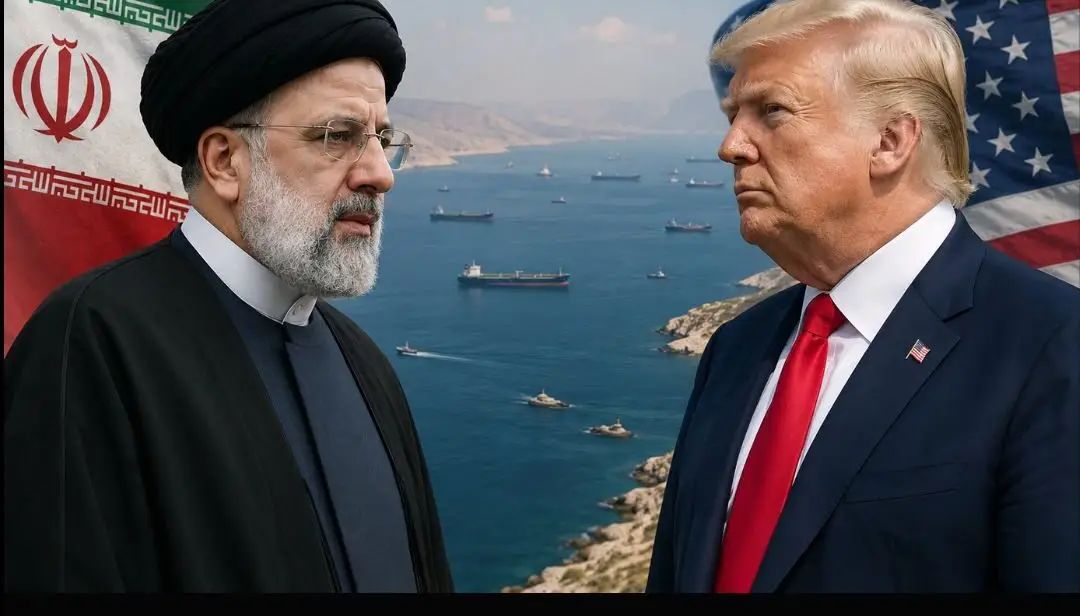
Qatar is pressing for a direct communication line between the United States and Iran to stop bad actors from sabotaging the fragile reopening of the Strait of Hormuz, one of the world’s most critical energy chokepoints.
Why Qatar Is Pushing for a US-Iran Hotline
Qatari Prime Minister Sheikh Mohammed bin Abdulrahman al-Thani, one of the lead mediators in the US-Iran talks, told the Financial Times that a verified hotline is essential to counter disinformation as mine-clearing operations get underway in the strait. His concern: anyone with a radio and bad intentions can pose as Iran’s Revolutionary Guard Corps and issue false warnings to commercial vessels, telling them to turn back or face fire. Sheikh Mohammed said the hotline’s purpose is to make sure any ship that receives a threat can have it verified by Iran, allowing it to pass safely.
That risk isn’t hypothetical. Sheikh Mohammed said impersonation attempts of this kind are already happening on the water.
The Mechanism Behind the Hotline
The hotline traces back to the interim accord signed in Switzerland last week. Iran and the United States have established a direct communication channel to avoid incidents and miscommunication in the Strait of Hormuz, according to a joint announcement from mediators Qatar and Pakistan following the first round of high-level talks under the 14-point Memorandum of Understanding at the Lake Lucerne Summit in Burgenstock, Switzerland.
The talks were described as producing a roadmap aimed at securing a final agreement within 60 days. Under paragraph five of the MOU, Iran committed to facilitating safe passage for commercial vessels through the strait without transit fees during the 60-day negotiation window, with demining operations required to begin within 30 days.
Iran’s own framing of the arrangement carries an edge. Iran’s chief negotiator, Mohammad Bagher Ghalibaf, said Iran and the US reached an agreement to establish coordination mechanisms a telephone hotline and a center so that ships can make contact if any ambiguity or issue arises. But Ghalibaf also said the strait will now be managed under Iranian arrangements and will never return to its pre-war status, while pledging that Iran will implement international law precisely.
A Fragile Reopening
The diplomatic progress hasn’t fully translated to calm waters. Iran’s Fars News Agency reported the strait remained closed and that the IRGC Navy was not issuing transit permits, citing Israel’s continued attacks in Lebanon and incomplete US implementation of the ceasefire.
On June 20, Iran announced the closure of the Strait of Hormuz, citing Israeli actions as a violation of its agreement with the US a claim the US military denied. Sheikh Mohammed has pushed back on the closure narrative, maintaining mediators sought clarification from Iranian officials and were told no formal closure order had been issued.
Shipping data backs up the on-again, off-again pattern. Tanker brokerage BRS called the situation a “false start,” noting that once the strait was declared open, traffic rose to its highest level since the closure, with nineteen tankers above 34,000 deadweight tons exiting over a single weekend before Tehran’s closure announcement slowed traffic to a trickle.
What’s at Stake for Global Energy
The strait isn’t just a flashpoint it’s the artery for a massive share of the world’s energy trade. Its two unidirectional sea lanes facilitate transit of roughly 20 million barrels of oil per day, representing about 20% of global seaborne oil trade, primarily from Saudi Arabia, the UAE, Iraq, and Qatar. In 2024, an estimated 84% of crude and condensate shipments through the strait went to Asian markets, with China alone receiving a third of its oil via the waterway.
Europe also depends on the route for 12% to 14% of its LNG, sourced from Qatar, which Sheikh Mohammed said it is preparing to restore. Sheikh Mohammed said Qatar expects LNG production to return to normal within a few weeks, except for the facility damaged in the March strike on Ras Laffan, which QatarEnergy has warned could take up to five years to repair.
The Bigger Picture
Washington has paired the diplomatic push with economic moves. The Trump administration temporarily lifted sanctions on Iranian oil sales, issuing a 60-day waiver that Treasury Secretary Scott Bessent called the product of “productive talks,” tied to Iran’s commitments on free transit through Hormuz and IAEA inspector access.
Whether the hotline actually holds will be the real test. With Gulf Cooperation Council states, China, Japan, and European buyers all watching the strait closely, Qatar’s hotline proposal is less a diplomatic nicety than an attempt to put a circuit breaker on a waterway that has already proven it can swing from “reopened” to “closed” within days.
References & Sources
- Qatar PM Advises US-Iran Hotline to Secure Hormuz Reopening — Egypt Oil & Gas
- Hormuz Hotline Opens Between US and Iran — Splash247
- Qatar Joins UAE, Saudi Arabia and Others as Iran Agrees to Launch Hormuz Hotline — Travel And Tour World
- Live Updates: Vance and Iranian State Media Issue Conflicting Statements — CNN
- 2026 Strait of Hormuz Crisis — Wikipedia