Share This Article
The next chapter of one of the Middle East’s most consequential diplomatic efforts will unfold in Rome. Israeli and Lebanese negotiators are set to meet on July 15 and 16 in the Italian capital for the sixth round of direct US brokered talks, as both governments work to convert a landmark framework agreement into a durable Lebanon-Israel peace deal.
Israeli Foreign Minister Gideon Saar confirmed the upcoming meeting during a joint press conference in Jerusalem with German Foreign Minister Johann Wadephul. “Less than two weeks ago, Israel, Lebanon and the United States reached a historic framework agreement. These talks are due to continue next week in Rome, Italy,” Saar said. He added that Israel maintains no territorial ambitions in Lebanon and that the negotiations remain anchored in security implementation. Italian Foreign Minister Antonio Tajani separately confirmed Rome’s role as host, with Italy’s foreign ministry noting that ambassadors from both sides will lead the discussions.
How the Talks Reached This Point
The Israel Lebanon peace talks represent the most significant diplomatic engagement between the two neighbors since 1983. Both countries have technically been at war since 1948, and no direct negotiations of this kind had taken place for over four decades before this spring.
The process began in April 2026 when President Trump announced a ten day ceasefire between Israel and Lebanon, brokered by the United States, as a platform for broader negotiations. The first round of direct talks followed on April 14, with a second convened at the White House on April 23, where Trump, Vice President Vance, and US Ambassador to Israel Mike Huckabee all participated. A third round in May introduced military officials to the table for the first time, marking a shift from purely political discussions toward what the State Department formally called a “security track.”
The fourth round, held June 2 and 3, produced agreement on the creation of “pilot zones” in southern Lebanon, designated areas where Israeli forces would withdraw while the Lebanese Armed Forces assumed exclusive authority and began disarming Hezbollah. The fifth and most consequential round concluded on June 26 with both countries signing a Trilateral Framework Agreement in Washington in the presence of Secretary of State Marco Rubio. The accord represents the first mutual recognition of each state’s sovereignty since the failed May 17 Agreement of 1983 and commits both governments to ending the formal state of war between them.
What the Framework Agreement Established
The fourteen point framework signed in Washington sets out a clear sequence. Israeli forces will withdraw from designated pilot areas in southern Lebanon as the Lebanese Armed Forces take exclusive control and begin dismantling Hezbollah’s armed infrastructure. Israeli withdrawal from remaining occupied areas will only proceed once that disarmament has been independently verified. Both sides committed to releasing detainees and returning remains, and both affirmed each nation’s right to “live in peace” and “in security as neighboring sovereign states.”
The accord also calls for a permanent end to all hostile actions in international political and legal forums between the two countries, effectively closing the chapter on decades of proxy confrontation conducted through multilateral bodies.
Hezbollah Secretary General Naim Qassem rejected the agreement outright, calling it “null and void” and describing it as a surrender to Israel. Hezbollah is not a party to the talks, and the Lebanese government has maintained that any future arrangement must reflect the Lebanese state’s full sovereignty.
Why Rome, and What Comes Next
The Rome meeting will mark the sixth round of direct US brokered talks between Israeli and Lebanese officials since the spring, as both countries work from a position of having no diplomatic relations and remaining technically at war. Italy’s involvement signals a broader international interest in anchoring the process in a neutral European setting with strong Mediterranean ties to both nations.
The Rome talks are expected to focus on two core issues: the mechanics of implementing the pilot zone framework in southern Lebanon and the preservation of the ceasefire while more permanent security arrangements are put in place. Analysts at the Soufan Center note that by transferring responsibility for Hezbollah disarmament from Israel to Beirut, the accord seeks to ensure that it is the Lebanese government, not Iran or Hezbollah, that receives the strategic credit for what comes next, a point that makes Beirut’s credibility in carrying out the disarmament process essential to the entire structure holding together.
The United States has framed the Israel Lebanon peace talks as potentially the most viable near term opportunity for American diplomacy to translate military pressure into a lasting regional settlement. With Hamas’s rejection of the Gaza demilitarization plan and broader regional negotiations still unsettled, success in Lebanon could provide Washington with a rare diplomatic anchor in an otherwise turbulent regional picture.
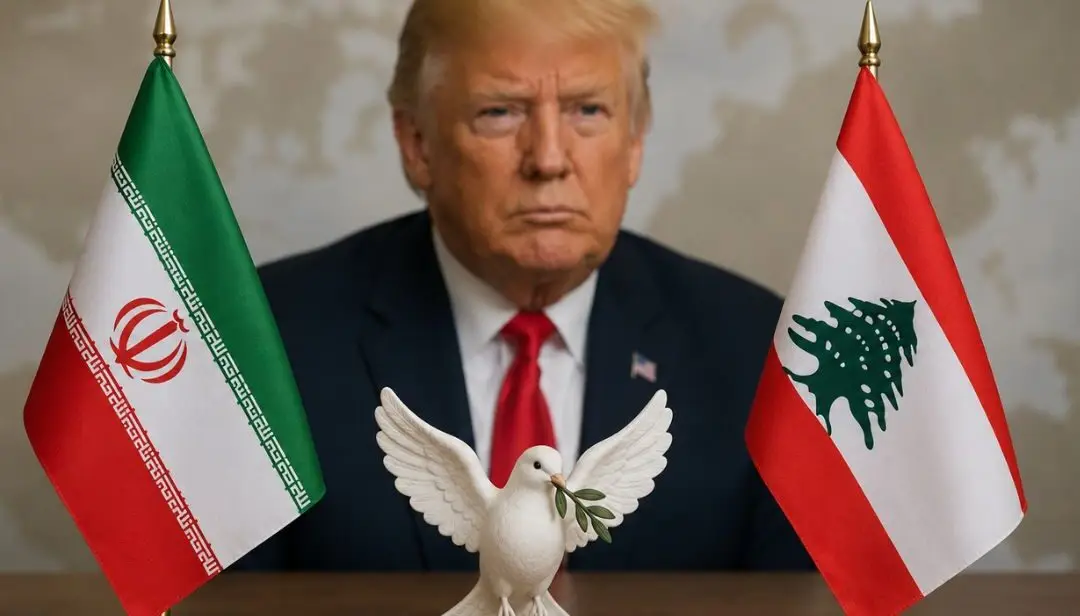
Iran, which claims the Lebanon accord conflicts with its own memorandum of understanding with the United States, has so far not taken steps to formally abort the US Iran peace process in response, though its opposition remains an active variable in the negotiations ahead.
For continuing coverage of the Lebanon Israel peace deal negotiations and their regional implications, see our ongoing Iran and Middle East peace talks coverage.
For additional expert analysis on the framework agreement’s structure and remaining obstacles, the Council on Foreign Relations provides detailed background at cfr.org.
References and Sources
- Outlook India, “Israel, Lebanon to Resume US Brokered Peace Talks in Rome Next Week”
- Wikipedia, “2026 Israel Lebanon Peace Talks”
- The Soufan Center, “Landmark Israel Lebanon Agreement Intersects the US Iran Conflict“
- US State Department, “Joint Statement on the Latest High Level Trilateral Meeting”
- Amit Terrorism and Intelligence Research Institute, “The Israel Lebanon Framework Agreement: Insights and Responses“
- J Street, “Israel Lebanon Negotiations: Political Roadblocks and Potential Agreement”
- PBS NewsHour, “Israel and Lebanon agree to renew fragile ceasefire, create Lebanese security zones”

Oil & Energy Markets
A look at crude price swings, OPEC supply moves, and how energy markets react to geopolitical shocks.

Geopolitics & Conflict
Breaking down how wars, ceasefires, and diplomatic deals ripple through global trade and security.
US Foreign Policy
Coverage of Trump administration negotiations, sanctions, and strategic decisions shaping world events.
Economy & Inflation
Tracking how commodity prices, gas costs, and supply chains affect everyday consumers.