Share This Article
Just 24 hours after launching one of the most ambitious naval operations in recent American history, President Donald Trump hit the pause button on “Project Freedom” crediting Pakistan’s behind-the-scenes diplomacy and claiming “great progress” toward a final deal with Iran, even as the US naval blockade of the strait remains locked in place.
In breaking news Iran watchers and global energy markets had not anticipated, Trump announced Tuesday that the US military’s effort to guide neutral commercial ships out of the Strait of Hormuz would be suspended indefinitely but briefly while peace negotiations advanced through Pakistani intermediaries.
“While the blockade will remain in full force and effect,” Trump wrote on Truth Social, “Project Freedom the movement of ships through the Strait of Hormuz will be paused for a short period of time to see whether or not the Agreement can be finalized and signed.”
The announcement came less than 48 hours after the operation began, and one day after US forces sank Iranian small boats that had attempted to attack vessels under American military protection.
Pakistan’s Pivotal Diplomatic Role
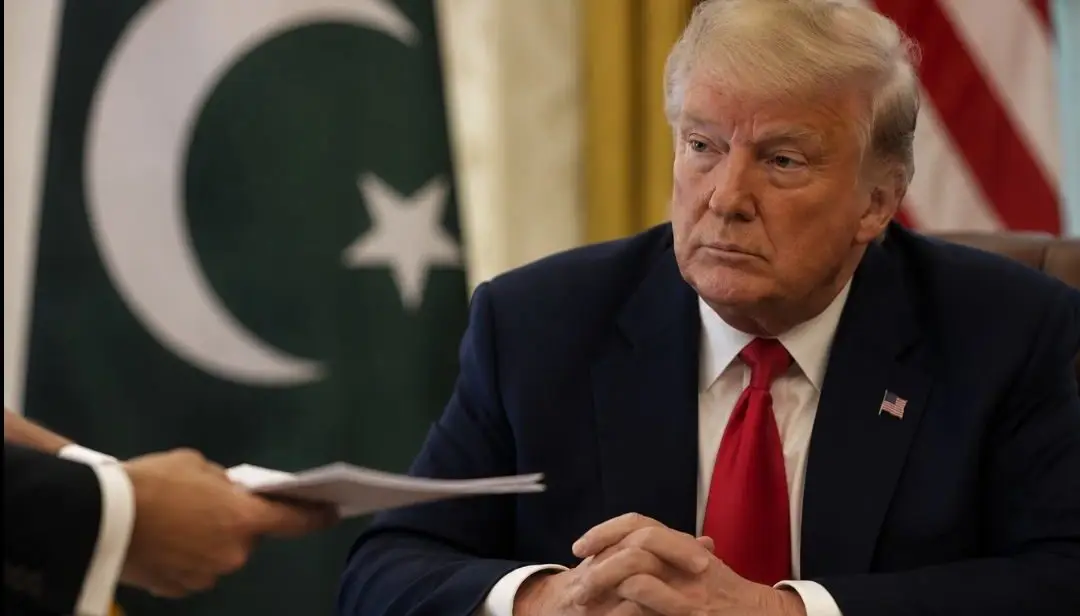
The pause was explicitly framed as a gesture toward Islamabad. Trump said the decision was made “based on the request” of Pakistan and other nations an acknowledgment of the quiet but consequential diplomatic role Pakistan has played throughout the Iran Israel war and broader US-Iran conflict.
Pakistan’s Prime Minister Shehbaz Sharif moved swiftly to claim credit, lauding Trump’s decision and reaffirming Islamabad’s commitment to brokering a resolution. Pakistani Army chief General Asim Munir has been a central figure in the back-channel mediation, having previously facilitated direct face-to-face talks between US and Iranian officials in Islamabad a gruelling 21-hour session held on April 11 that laid the groundwork for the current diplomatic window.
The White House confirmed Tuesday that it had received positive feedback from Pakistani mediators indicating that Iran was progressing toward a compromise. Iranian Foreign Minister Abbas Araghchi, acknowledging the developments, said negotiations were “making progress with Pakistan’s gracious effort” and reiterated his government’s position that there is “no military solution to a political crisis.”
What the Deal on the Table Actually Says
According to sources familiar with the internal discussions, a one-page framework is currently being circulated that would declare a formal end to the Iran war while opening a 30-day negotiation window to resolve the conflict’s most contentious sticking points including Iran’s nuclear programme, the unfreezing of Iranian assets, and the long-term security arrangement for the Strait of Hormuz.

Here are Some Related Blogs to Read
- Tuesday’s missiles didn’t come out of nowhere, Iran has been digging out hidden missile stockpiles after rejecting Trump’s peace offer
- Not everyone in Trump’s own camp agrees on strategy, JD Vance claims Hegseth has been misleading Trump on the Iran war
- This isn’t the only recent flashpoint at sea, a US Navy destroyer just fired on and seized an Iranian cargo ship
- The strikes haven’t ended Iran’s nuclear ambitions either, US intel says recent strikes did only limited damage to Iran’s nuclear program
- That brief pause before Tuesday’s attack wasn’t random, Trump had deliberately paused Hormuz operations to force Iran into a deal
- The missiles are only half the story, Iran and Israel’s spy war is heating up amid claims of stolen F-15 secrets
- Trump’s fights aren’t confined to Tehran, he’s now clashing with his own SCOTUS picks back home
Iran’s government confirmed it is reviewing the latest US peace proposal and is expected to convey its formal response to Pakistani intermediaries once internal deliberations are complete. Trump, for his part, stopped short of declaring any breakthrough, warning that direct talks were still premature and reserving the right to resume military operations if negotiations collapse including the threat that “the bombing starts” if Iran fails to deliver.
The Blockade Stays and the Stakes Remain Enormous
Critically, the pause in Project Freedom does not mean the Strait of Hormuz has reopened. The US naval blockade of Iranian ports, in place since April 13, remains fully operational. The strait through which roughly a quarter of the world’s seaborne oil and 20% of global LNG once flowed is still effectively sealed.
The military backdrop makes the diplomatic delicacy all the more striking. During the first day of Project Freedom alone, Iran’s forces launched cruise missiles and drones at US Navy and commercial vessels operating under American protection. No American ships were struck. The US military reported destroying eight Iranian small boats in retaliatory action, and the UAE confirmed it had intercepted a barrage of Iranian ballistic missiles, cruise missiles, and drones an attack that left three people injured.
CENTCOM, notably, pushed back against any suggestion that the pause signals retreat. Officials stated publicly that Project Freedom had “just begun” a reminder that the operation remains on standby, not abandoned.
A Fragile Diplomatic Moment
The 24-hour arc of Project Freedom launched Monday, paused Tuesday reflects the volatile, fast-moving nature of the Iran war news cycle and the extraordinary complexity of engineering a negotiated end to a conflict that has killed thousands, stranded 20,000 sailors at sea, and triggered what the International Energy Agency has called the largest energy disruption in recorded history.
Whether Pakistan’s mediation can hold long enough to deliver a signed agreement and whether Iran’s internal factions can unite behind any deal will determine if the pause becomes a bridge to peace or merely a brief intermission before the next escalation.
For now, the blockade holds, the ships remain stranded, and the world watches Islamabad.

Oil & Energy Markets
A look at crude price swings, OPEC supply moves, and how energy markets react to geopolitical shocks.

Geopolitics & Conflict
Breaking down how wars, ceasefires, and diplomatic deals ripple through global trade and security.
US Foreign Policy
Coverage of Trump administration negotiations, sanctions, and strategic decisions shaping world events.
Economy & Inflation
Tracking how commodity prices, gas costs, and supply chains affect everyday consumers.