Every Expert Said a Trump-Iran Deal Was Impossible. Here’s Exactly How He Proved Them All Wrong.
Theo Jorden
Share This Article
For years, the foreign policy establishment maintained a near-unanimous verdict: Donald Trump and the Islamic Republic of Iran could never reach a durable agreement. The ideological chasm was too wide, the mutual distrust too deep, the red lines on both sides too rigid. Analysts at the Council on Foreign Relations, former Obama-era negotiators, and Beltway
For years, the foreign policy establishment maintained a near-unanimous verdict: Donald Trump and the Islamic Republic of Iran could never reach a durable agreement. The ideological chasm was too wide, the mutual distrust too deep, the red lines on both sides too rigid. Analysts at the Council on Foreign Relations, former Obama-era negotiators, and Beltway think tanks repeatedly warned that Trump’s “maximum pressure” playbook would shut the door on diplomacy — not open it.
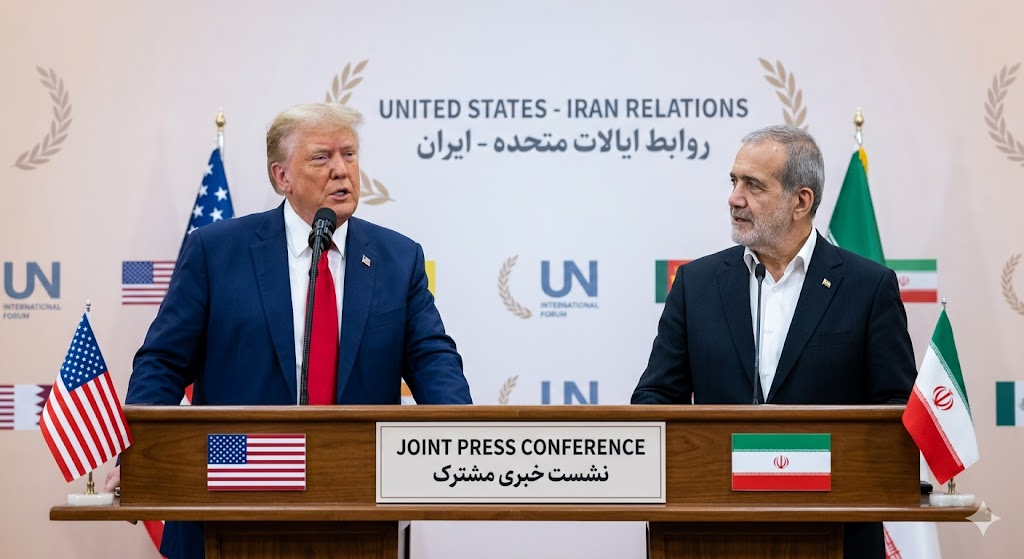
On April 7, 2026, that consensus collapsed – After 40 days of devastating US-Israeli air strikes on Iranian military sites, nuclear facilities, and defense infrastructure, the Trump administration and Tehran announced a stunning two-week ceasefire — brokered not through Geneva back-channels or European intermediaries, but through Pakistan. Trump declared that Iran’s 10-point peace proposal was a “workable basis on which to negotiate”, and that “almost all” major points of contention had been resolved in principle. What experts called structurally impossible had become, if not yet a deal, the clearest diplomatic opening in over two decades.
How Did We Get Here?
The road to this ceasefire was anything but smooth. In early 2025, Trump relaunched his signature maximum-pressure campaign — reimposing sweeping sanctions while simultaneously sending a direct letter to Supreme Leader Ali Khamenei proposing nuclear talks. Five rounds of negotiations followed in Oman, mediated by Omani Foreign Minister Badr al-Busaidi. Most analysts rated those talks poorly. Iran wanted discussions confined to civilian nuclear guarantees only; Washington insisted on limits to Iran’s ballistic missiles and the severing of ties to regional proxy groups. The incompatible red lines, experts argued, made failure “all-too predictable.”
They were right — initially. The sixth round of talks, scheduled for June 15, 2025, was suspended indefinitely after Israel launched a major strike targeting Iranian military and nuclear infrastructure. By February 2026, the United States joined those strikes directly.
But what skeptics failed to model was Trump’s willingness to reframe the conflict entirely once the military phase showed diminishing returns. US Defense Secretary Pete Hegseth confirmed Iran’s defense-industrial base had been “completely” destroyed. With leverage established through force rather than diplomacy, Trump pivoted — fast.
The Ceasefire No One Predicted
On April 7, after threatening to bomb Iranian civilian infrastructure if no deal was reached by a Tuesday night deadline, Trump abruptly accepted a ceasefire in exchange for Iran’s commitment to reopen the Strait of Hormuz — the chokepoint through which roughly one-fifth of the world’s oil flows. Global markets, which had been on edge for weeks, surged on the news.
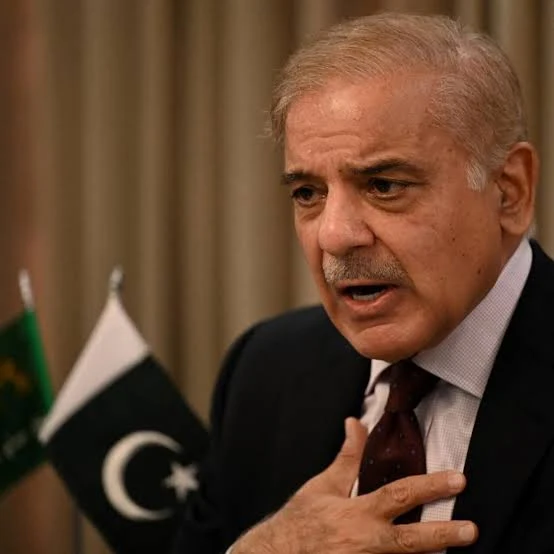
Pakistani Prime Minister Shehbaz Sharif has invited both delegations to Islamabad on April 10 for the next round of talks, where the outlines of a comprehensive agreement are expected to be negotiated.
The terms on the table are sweeping. Iran’s 10-point proposal includes lifting all US sanctions, releasing frozen Iranian assets, withdrawing US combat forces from regional bases, and a controlled-passage protocol for the Strait of Hormuz. The US 15-point counter-framework demands no nuclear weapons, a handover of highly enriched uranium stockpiles, an end to proxy militia financing, and hard limits on Iran’s defense capabilities.
Critically, Trump claimed Iran had agreed to no uranium enrichment — a statement Iran has not fully confirmed. In a telling sign of how fluid the situation remains, the Persian version of Iran’s 10-point plan included the phrase “acceptance of enrichment,” a clause conspicuously absent from English translations shared with foreign press.
Why Experts Got It Wrong
CNN’s Fareed Zakaria called the ceasefire “remarkable” given where the two sides stood just weeks ago. Analysts at the Arms Control Association acknowledged that US negotiators entered the process ill-prepared for serious talks — yet a deal framework emerged anyway. Trita Parsi of the Quincy Institute noted that observers “may be surprised by what Trump is willing to accept to get out of the war.”
That observation cuts to the core of what the expert class consistently missed: Trump does not negotiate from ideology. He negotiates from leverage. When the military force produced the leverage, he used it. When a ceasefire served his interests — oil markets, electoral optics, legacy — he took it.
The White House has been careful to stress that Trump’s “red lines” on enrichment have not changed. Whether Tehran ultimately accepts those terms will determine whether this becomes a historic deal or another chapter in a decades-long standoff. Talks in Islamabad begin Friday.
The world is watching. And this time, even the skeptics admit they don’t know what comes next.
Oil & Energy Markets
A look at crude price swings, OPEC supply moves, and how energy markets react to geopolitical shocks.