Share This Article
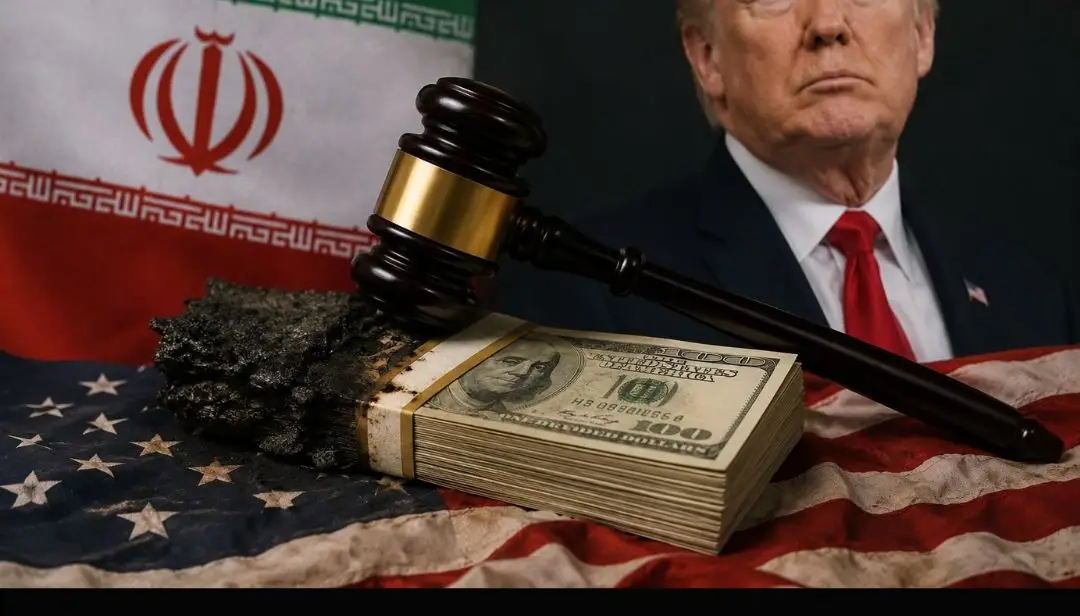
In a two-sentence court filing that closed one of the most controversial chapters of the Trump administration’s domestic legal agenda, the Department of Justice informed two federal judges on June 5, 2026 that the $1.8 billion Anti-Weaponization Fund a sweeping compensation program for individuals claiming political targeting by the government “had not been set up and is now not going forward.”
The filing, submitted to the US District Court for the Eastern District of Virginia in the case Democracy Forward v. Department of Justice, formally ended a program that had divided Congress, alarmed civil liberties groups, triggered multiple federal lawsuits, and ultimately fractured the Republican caucus badly enough to force the administration’s retreat. A program born in political grievance died in quiet legal paperwork but its implications for the Trump administration’s broader approach to government power, defense priorities, and the ongoing US-Iran talks reshaping global security are anything but quiet.
What the Fund Was and What It Was Always Really About
The Anti-Weaponization Fund was established by Acting Attorney General Todd Blanche with an initial allocation of $1.776 billion drawn from the federal Judgment Fund. Its stated purpose: to create a systematic process to hear and redress claims from individuals alleging they had suffered “weaponization” or “lawfare” at the hands of the federal government political, personal, or ideological targeting by state institutions.
In practice, critics argued, it was designed as a compensation mechanism for Trump allies, January 6 Capitol attack participants, and anyone who felt aggrieved by federal law enforcement actions during the Biden years. Democratic lawmakers filed court briefs warning that the fund “presents a threat to our constitutional democracy that this Court has never before been asked to confront.” They labelled it a “slush fund” with no meaningful eligibility restrictions one that could have paid out billions in taxpayer money to claimants with no independent verification of harm.
The fund’s origin traces to President Donald J. Trump v. Internal Revenue Service Trump’s own $10 billion lawsuit against the IRS over the leak of his tax returns and claims stemming from the Russia investigation and the 2022 Mar-a-Lago search. What began as personal legal grievance was institutionalized into a government program. It never became operational before the courts intervened.
How a Republican Revolt Killed It
The fund’s death was not driven by Democratic opposition alone. A significant Republican revolt in the Senate forced the Trump administration’s hand.
Senator Bill Cassidy (R-LA) led amendment efforts to block the fund’s implementation. Retiring Senator Thom Tillis (R-NC) pushed for its elimination from within the caucus. Ultimately, six GOP senators voted for Cassidy’s amendment, and 11 Republicans voted on a Senate motion to kill the fund outright a rare, open rebellion against a signature Trump DOJ initiative.
The Senate then passed a $70 billion ICE and border patrol bill without provisions protecting the anti-weaponization fund, according to CNN’s congressional coverage. The GOP split made the DOJ’s June 5 court filing an inevitability rather than a choice. Acting AG Todd Blanche confirmed to Congress: “We are not moving forward with the fund, period.” Trump himself, characteristically, sent mixed signals telling CNN on June 3 that he was unsure if the fund was fully dead, calling it “a beautiful thing.”
A federal judge in Virginia had already temporarily blocked the fund’s creation before the DOJ filing made the question moot, as ABC News reported. The administration chose to accept the legal reality rather than fight it.
A Pattern of Oversight Dismantlement
The fund’s collapse sits inside a broader architecture of civil liberties oversight being systematically dismantled by the Trump administration in 2026. The Office of Civil Rights and Civil Liberties (CRCL) at DHS saw its budget slashed from $42.9 million to $10 million, with staffing cut from over 150 employees to approximately 20. The Office of Immigration Detention Ombudsman was zeroed out entirely. The Privacy and Civil Liberties Oversight Board (PCLOB) was effectively gutted after Trump fired three Democratic members in January 2025 without cause a move Brookings Institution analysts warned “threatens privacy and national security” by removing the last independent check on intelligence community surveillance programs.
The anti-weaponization fund represented the flip side of this pattern: dismantling oversight of the government while simultaneously creating a compensation system rewarding those who claimed the government had wronged them two parallel moves that critics argued served the same political base.
Defense Priorities: Where the Money Is Actually Going
While the $1.8 billion fund dies in court, the Trump administration is redirecting national security spending at historic scale. The administration’s proposed defense budget reaches approximately $1.5 trillion a $500 billion increase funding Columbia-class submarines at $16 billion, naval shipbuilding at $65.8 billion for 34 new vessels, and B-21 Raider stealth bomber production at approximately $6 billion for FY2027, per Military Times.
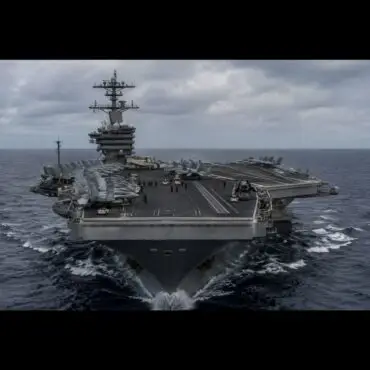
The Iran war has intensified that priority shift. With the Strait of Hormuz still closed and US-Iran talks at a critical but unresolved juncture, the Pentagon issued warnings as recently as May 29–30 that US forces are “ready to resume combat in Gulf if needed.” The Defense Department has simultaneously redirected 20,000 anti-drone interceptors originally designated for Ukraine to US forces and Israel in the Middle East a reallocation that drew a congressional backlash and a House vote of 218–204 advancing the Ukraine Support Act over Trump’s objections, as The Hill reported.
Ukraine’s security assistance funding has collapsed 97% from nearly $14 billion in 2024 to just $400 million in the 2026 NDA as the administration pivots defense resources toward the Gulf and Iran contingency. Anti-tank weapons and air defense interceptors that once flowed to Kyiv are now positioned for a Middle East theater where the next phase of conflict, if diplomacy fails, would demand them.
The Anti-Weaponization Fund is gone. The weapons it might have symbolically competed with for political oxygen are being bought and deployed elsewhere.

Oil & Energy Markets
A look at crude price swings, OPEC supply moves, and how energy markets react to geopolitical shocks.

Geopolitics & Conflict
Breaking down how wars, ceasefires, and diplomatic deals ripple through global trade and security.
US Foreign Policy
Coverage of Trump administration negotiations, sanctions, and strategic decisions shaping world events.
Economy & Inflation
Tracking how commodity prices, gas costs, and supply chains affect everyday consumers.