When historians write about the 2026 Iran war, they will note the missiles, the blockades, and the staggering human cost. But they will also note something unexpected: the conflict has been one of the most powerful accelerants of the clean energy transition in modern history — and the countries and companies that had quietly invested
When historians write about the 2026 Iran war, they will note the missiles, the blockades, and the staggering human cost. But they will also note something unexpected: the conflict has been one of the most powerful accelerants of the clean energy transition in modern history — and the countries and companies that had quietly invested in energy resilience are now reaping extraordinary rewards.
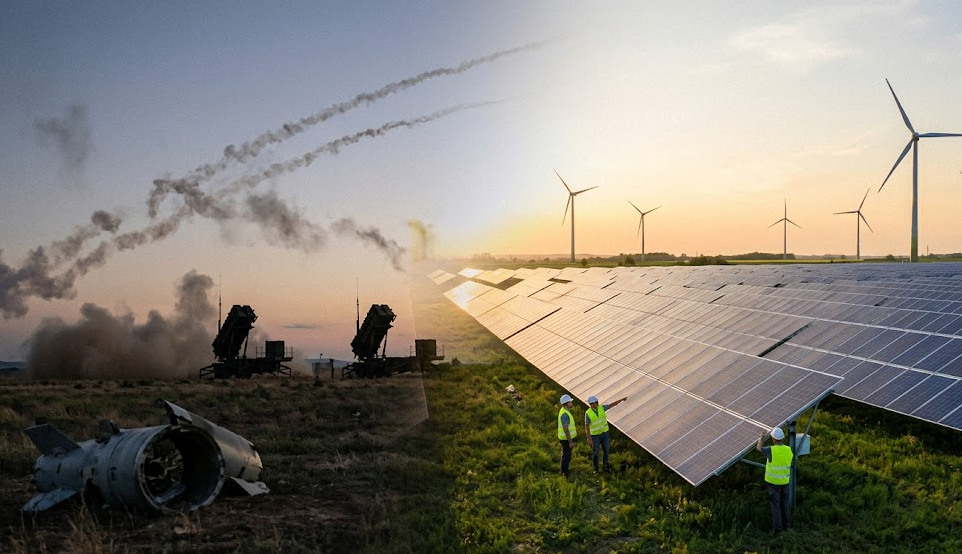
The Israel Iran war, launched by US and Israeli strikes on February 28, 2026, triggered what the International Energy Agency called the largest energy supply shock in recorded history. Brent crude surged from $72 to a peak of $126 per barrel. The Strait of Hormuz closed. Global LNG markets seized. And a scramble began — not just for oil, but for everything that could replace it.
The winners that emerged were not always the ones the world expected.
Pakistan: The Solar Nation That Saw It Coming
No country’s energy story in 2026 has been more startling than Pakistan’s.
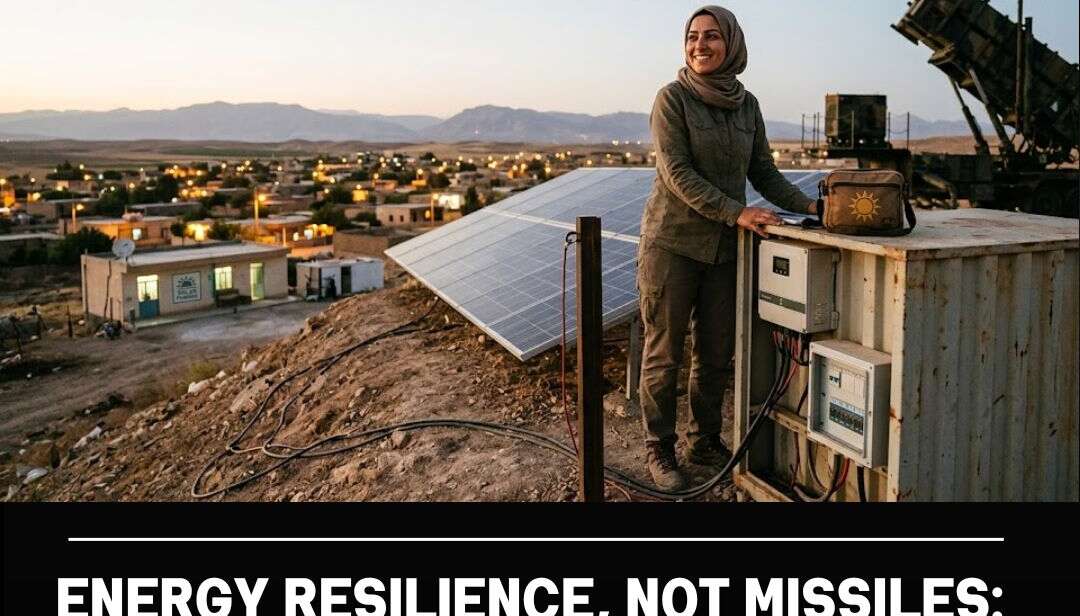
In a region convulsed by oil disruption, Pakistan has been comparatively insulated — not because of military prowess or diplomatic positioning, but because it quietly became one of the world’s fastest-growing solar markets over the past five years. Solar’s share of Pakistan’s electricity mix surged from just 2.9% in 2020 to over 32% by end-2025, driven by cheap Chinese panel imports that flooded the country and were snapped up by households and businesses desperate for affordable power.
The result: Pakistan has avoided over $12 billion in oil and gas imports since 2020, with $6.3 billion in savings projected for 2026 alone — a figure that has proven transformative as LNG prices in Asia surged over 140% after the Hormuz closure. Al Jazeera noted that because so many Pakistanis now have solar panels and batteries, the country’s electricity sector had a meaningful cushion when the crisis hit. The same country mediating the Iran peace talks is also the unexpected poster child of energy resilience. The irony is not lost on analysts.
Wind Giants: Unlikely Beneficiaries of a War Premium
The conventional wisdom was that an oil shock would hurt renewable energy companies — starving them of financing and squeezing supply chains. The reality has been the opposite.
Danish wind giant Vestas and Danish utility Orsted both surpassed profit estimates in Q1 2026, with Orsted explicitly citing the Iran war as a catalyst for accelerating clean tech investment. Norway’s Equinor told CNBC that the Middle East crisis was set to deliver a boost to returns in its clean tech division. The S&P Global Clean Energy Transition Index has risen nearly 71% year-on-year — a performance that puts it among the best-performing asset classes of the entire conflict period.
The logic is simple but powerful: every week the Strait of Hormuz stays closed, every government that watches its energy import bill explode, makes the same calculation — the only long-term insulation against geopolitical energy shocks is domestic clean power. The Iran war has made that case more viscerally than any climate report ever could.
The US Stock Market’s Fossil Fuel Windfall
On the conventional energy side, the US stock markethas surfed the war premium with remarkable resilience. American shale producers — insulated from the conflict, operating domestically, and selling into a market where Brent has been trading above $100 for weeks — have seen a surge in investor interest. Bloomberg reported that stock sales by US-listed oil and gas companies made March the sector’s busiest month in more than six years.
US LNG terminals ran at full capacity throughout the crisis, shipping cargoes as fast as physical infrastructure allowed, filling part of the void left by the Hormuz disruption. Saudi Aramco posted a 25% Q1 profit surge by rerouting exports through its East-West Pipeline. Wall Street banks — Morgan Stanley up 29%, Goldman Sachs up 19%, JP Morgan up 13% — profited from elevated volatility, trading revenues, and the financing needs of an energy sector operating at wartime pace.
China: Clean Energy Exporter to the World
In perhaps the war’s most consequential long-term economic shift, China has emerged as the primary supplier of the solutions the rest of the world is now urgently buying. Chinese exports of solar panels, batteries, and electric vehicles all hit record highs in March 2026, according to energy think tank Ember — a direct response to the global rush for energy independence triggered by the Iran Israel war.
As CNN reported, the Iran war has the world buying more clean energy — and China stands to benefit most. With dominant manufacturing positions across the solar, wind, battery, and EV supply chains, Beijing is monetising the conflict without firing a single shot in it.
The Lesson the War Is Writing
The Iran war’s surprising winners share a single trait: they had invested in energy resilience before the crisis, not during it. Pakistan’s solar panels. Europe’s nuclear and wind capacity. America’s domestic shale and LNG infrastructure. China’s clean energy manufacturing base.
The CFR’s analysis was direct: the Iran war shock is a wake-up call for energy innovation — and for those who heeded the earlier calls, the reward is not just survival, but competitive advantage in a world that will never again take the Strait of Hormuz for granted.
Market Analysis
A quick snapshot of market trends, customer behavior, and competitor movements.