
Share This Article
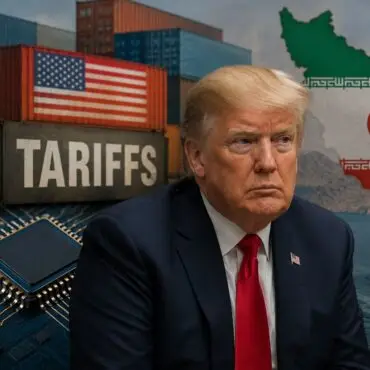
Donald Trump lands in Beijing on May 14 carrying a packed agenda Iran, Taiwan, tariffs, tech and a promise to American farmers that he will bring home a trade win. But on the biggest agricultural commodity of all, the hard truth is already visible in the data: China does not need as many US soybeans as Washington hopes, and Brazil has already taken that business.
The Xi-Trump summit, the first US presidential state visit to China in nearly a decade, is shaping up to be one of the most consequential diplomatic meetings of the decade. The agenda spans the Iran war, Taiwan, rare earths, semiconductor export controls, and the structural trade imbalances that have defined the US-China relationship through two Trump terms. Amid those heavyweight confrontations, agriculture sits as a quieter but politically potent sub-plot one that Trump needs for domestic optics ahead of the midterm elections, even if the economics are working against him.
The Farm Deal Trump Needs
For Trump, an agricultural purchase commitment from Beijing is politically indispensable. American farmers overwhelmingly in Republican-leaning states like Iowa, Illinois, Indiana, and Ohio bore the brunt of China’s retaliatory tariffs during the first trade war of Trump’s first term. They were placated then by government subsidies. This time, with the US stock market at record highs but rural America still feeling the squeeze, Trump needs a tangible China win he can point to.
The White House is seeking expanded Chinese commitments on soybeans, corn, sorghum, milling wheat, beef, and poultry a broad agricultural basket that would be visible and marketable to farm-state voters. Officials have also hinted at potential Boeing aircraft purchases, another politically resonant deal that would show American manufacturing benefiting from the summit.
China agreed in a deal last October to purchase at least 25 million metric tons of US soybeans annually through 2028. The question heading into Beijing is whether Trump can extract a commitment that goes beyond that floor and the answer, analysts say, is almost certainly no.
Why China’s Soybean Appetite Is Limited
The structural case for major new soybean purchases is weak, and the numbers make clear why.
China’s share of US soybean imports has collapsed over the past decade. In 2016, the United States supplied 41% of China’s soybeans. By 2024, that figure had fallen to just 20% a shift driven by years of trade war retaliation, deliberate supply chain diversification, and the rise of Brazil as the world’s dominant soybean exporter.
Brazil now supplies approximately 73.6% of China’s soybean imports, backed by competitive pricing and a structural tariff advantage. US soybeans face a 13% combined tariff in China the standard 3% most-favoured-nation rate plus a 10% retaliatory levy while Brazilian beans enter at the base 3% rate. That 10-percentage-point gap makes American beans a premium product in a market where buyers are price-sensitive and alternatives are plentiful.
Beyond the tariff disadvantage, Chinese demand itself is softening. The era of steep year-on-year growth in China’s grain imports is winding down, driven by demographic shifts, changing dietary habits, and Beijing’s sustained push for domestic agricultural self-sufficiency. US farm exports to China are forecast to fall to just $9 billion in 2026 the lowest level since the 2018 trade war.
Iran’s Shadow Over the Agriculture Table
The Xi-Trump summit carries a further complication: the Iran war has compressed the agenda in ways that may crowd out agricultural progress entirely. CNBC reported that the Iran focus at the Trump-Xi summit may delay progress on tariffs, rare earths, and by extension, farm goods as both sides are expected to spend significant summit time on whether China will use its economic leverage over Tehran to push Iran toward the nuclear deal.
Washington urgently wants Beijing to pressure Iran into accepting the 14-point peace memorandum currently under review in Tehran. Xi has leverage China buys over 90% of Iran’s oil but will not apply it for free. That negotiation, analysts at Chatham House and the Council on Foreign Relations note, is likely to dominate the room, leaving agriculture as a secondary agenda item resolved in working-level discussions rather than headline bilateral commitments.
Top US executives accompanying Trump including Elon Musk (Tesla), Tim Cook (Apple), Larry Fink (BlackRock), and Kelly Ortberg (Boeing) signal that the real economic stakes in Beijing are in technology, manufacturing, and finance, not soybeans.
What Farmers Can Realistically Expect
The most likely outcome, according to market analysts and agricultural economists, is an incremental deal: modest additional purchase commitments for corn, beef, poultry, and milling wheat, a reaffirmation of the existing soybean pledge, and potentially a reduction or suspension of some retaliatory agricultural tariffs as a goodwill gesture.
What it will not be is the transformative agricultural reset that Trump is pitching on the campaign trail. China’s pivot toward Brazil is structural, not tactical. Its reduced soybean appetite is demographic and political. And its willingness to make large new commitments on the one crop that matters most to US farmers soybeans is, by virtually every market measure, limited.
The summit may produce a headline. Whether that headline translates into actual bushels sold remains an entirely different question.

Oil & Energy Markets
A look at crude price swings, OPEC supply moves, and how energy markets react to geopolitical shocks.

Geopolitics & Conflict
Breaking down how wars, ceasefires, and diplomatic deals ripple through global trade and security.
US Foreign Policy
Coverage of Trump administration negotiations, sanctions, and strategic decisions shaping world events.
Economy & Inflation
Tracking how commodity prices, gas costs, and supply chains affect everyday consumers.