Share This Article
The Pentagon is not waiting for diplomacy to run its course. While negotiators in Islamabad wrestle with whether Iran will return to the peace table, us military news from Washington reveals that the Department of Defense has already begun developing detailed contingency plans to dismantle Iran’s defensive architecture in the straits of hormuz one of the most consequential chokepoints in the global economy if the fragile ceasefire collapses.
The plans, confirmed by multiple U.S. officials to CNN, represent a significant escalation in Washington’s strategic calculus: the next phase of the conflict, if it comes, would target the very assets Iran has used most effectively to strangle global oil markets since the war began.
What the Pentagon Is Planning
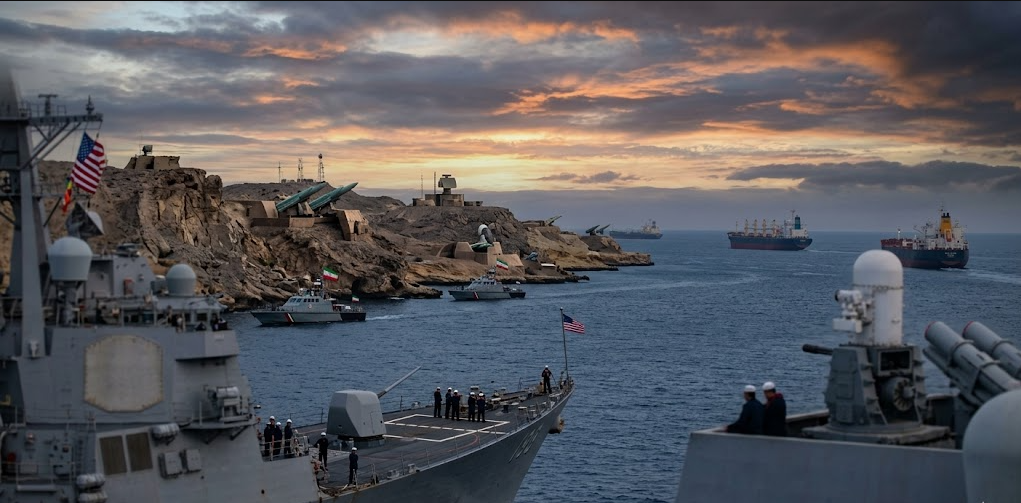
Unlike the initial U.S.-Israeli strikes that began on April 7, 2026 which largely focused on military installations, missile systems, and command infrastructure deep inside Iranian territory the new contingency options center specifically on “dynamic targeting” of Iran’s naval and maritime capabilities around the straits of hormuz, the southern Arabian Gulf, and the Gulf of Oman.
Here are Some Related Blogs to Read
- NATO chief calls US strikes on Iran “absolutely necessary”
- Will gold rally as US-Iran tensions escalate
- Oil jumped but the market stayed calm
- 5 takeaways from Tuesday’s 2026 primaries
- US tariff system reset across 60 economies
- Trump tariffs Section 122 surcharge expires
- Trump had deliberately paused Hormuz operations to force Iran into a deal.
- JD Vance claims Hegseth has been misleading Trump on the Iran war.
- Iran has been digging out hidden missile stockpiles after rejecting Trump’s peace offer.
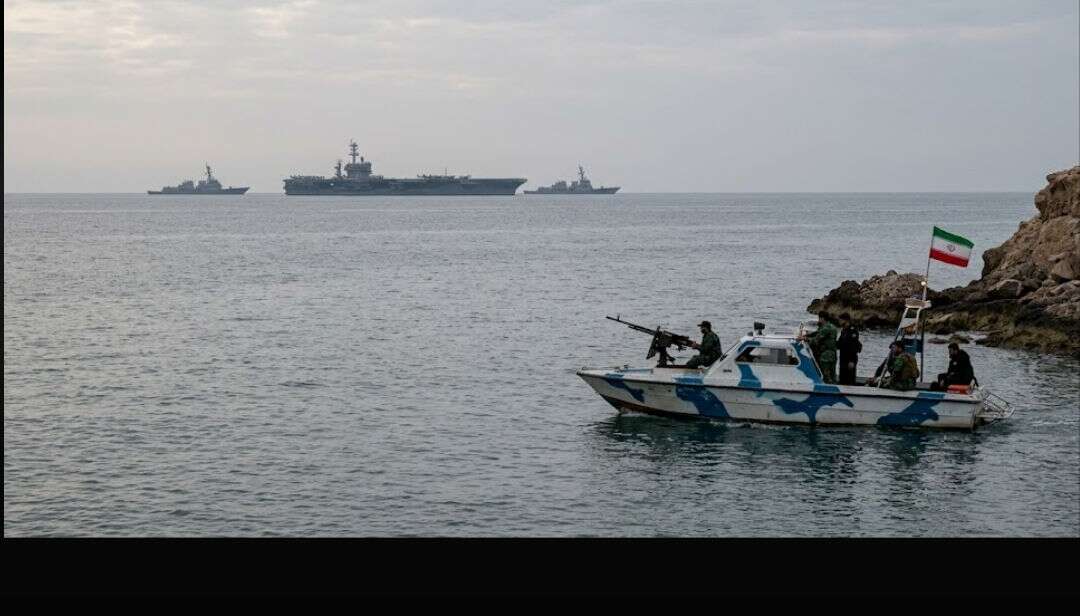
The targets under consideration include Iran’s fleet of fast attack boats, minelaying vessels, and the broader network of asymmetric naval assets that the Islamic Revolutionary Guard Corps (IRGC) has deployed to enforce its effective shutdown of the waterway. Pentagon planners have described these assets as the core instruments of Iran’s leverage the tools that turned a military conflict into a global economic crisis.
Beyond the maritime targets, the plans reportedly also include strikes on Iranian missile launchers, production facilities, and systems that survived the initial wave of attacks or have been repositioned since the ceasefire began. Trump’s standing threat to strike dual-use infrastructure including energy facilities remains a live option. Perhaps most notably, us military news sources indicate that individual IRGC generals and other regime figures identified as “obstructionists” in the peace process are also on the target list, raising the stakes of Iran’s internal power struggle to a direct security threat for its military leadership.
Iran Raises the Stakes
The urgency of the Pentagon’s planning was underscored this week when Iran moved aggressively at the very moment the ceasefire was extended. Within hours of President Trump announcing a ceasefire extension, the IRGC Navy seized two commercial vessels the MSC Francesca and the Epaminondas claiming both had breached Iran’s self-declared blockade of the straits of hormuz and tampered with navigation systems.
Iran attacked at least three commercial ships on April 23, and Trump responded by ordering the U.S. Navy to “shoot and kill” any vessels found laying mines in the strait. Iranian Foreign Minister Abbas Araghchi fired back, calling Washington’s own naval blockade of Iranian ports “an act of war” and a ceasefire violation in its own right.
The dueling blockades have produced a standoff where both sides accuse the other of breaking the ceasefire while each escalates on the water. The distinction matters: for the IRGC generals who now effectively control Iran’s war posture, seizing commercial ships is a show of strength designed to demonstrate that Tehran has its own forms of leverage regardless of what civilian negotiators agree to in Islamabad.
The Price of a Closed Strait
The economic argument for reopening the straits of hormuz by force, if necessary, has only grown more compelling with each passing week. The International Energy Agency has described Iran’s closure of the strait as the “largest supply disruption in the history of the global oil market.” Roughly 20 percent of global oil supplies and significant volumes of liquefied natural gas pass through the 21-mile-wide chokepoint, with China, India, Japan, and South Korea absorbing 75 percent of the disrupted exports.
Brent crude surged past $100 per barrel in early March and peaked at $126 per barrel levels not seen in years. The Dallas Fed estimated that the closure would lower global real GDP growth by nearly 3 percentage points on an annualized basis in the second quarter of 2026. Beyond energy, some 70 percent of the region’s food imports were disrupted by mid-March, triggering consumer price spikes of 40 to 120 percent in Gulf markets.
For Trump, who came to office promising to reduce inflation and restore economic order, every day the straits of hormuz remain closed is a political liability. The naval blockade he maintains against Iran is leverage but it also locks both sides into an economic war neither can afford indefinitely.
If Ceasefire Failed, Then What?
The question of what happens if ceasefire failed talks remain the defining uncertainty of the conflict. Trump’s extension is explicitly time-limited, with U.S. officials giving Iran a window of days not weeks to unify its government and return to the table with a coherent counter-proposal. The White House has made clear that the extension is not a sign of softening: the naval blockade remains, the military planning continues, and the target lists are being updated.
If Iran’s IRGC hardliners prevent a return to Islamabad, the next phase of this war will not look like the last one. The Pentagon’s focus on the strait signals a shift from attrition to compellence the application of force not to destroy Iran’s military capacity wholesale, but to remove the specific tools Tehran has used to hold the global economy hostage, and to make that leverage too costly to sustain.

Oil & Energy Markets
A look at crude price swings, OPEC supply moves, and how energy markets react to geopolitical shocks.

Geopolitics & Conflict
Breaking down how wars, ceasefires, and diplomatic deals ripple through global trade and security.
US Foreign Policy
Coverage of Trump administration negotiations, sanctions, and strategic decisions shaping world events.
Economy & Inflation
Tracking how commodity prices, gas costs, and supply chains affect everyday consumers.