Share This Article
Beijing has mastered the art of saying little and gaining much and nowhere is that strategy more visible right now than in how China is navigating the collision between Donald Trump and Iran, a war that has upended global energy markets and handed Xi Jinping a rare card to play.
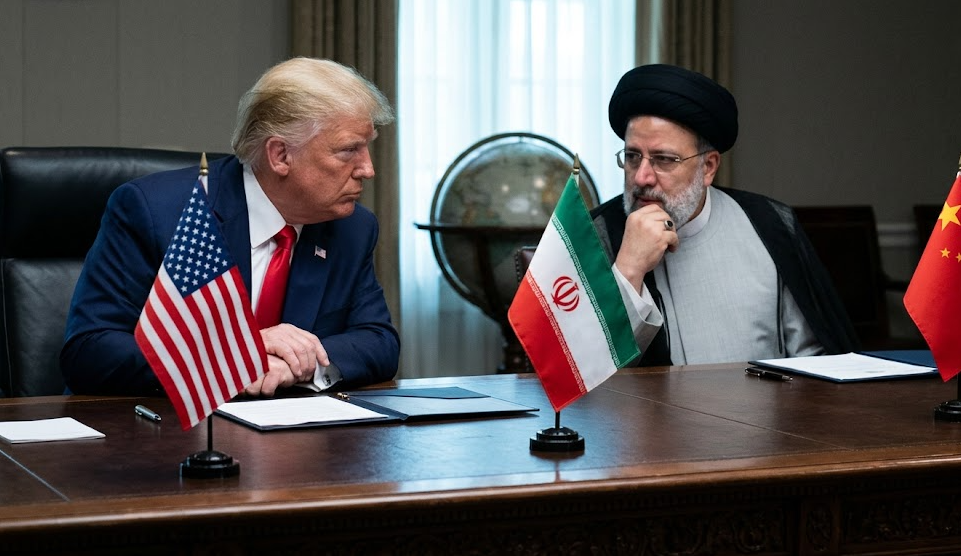
Since US and Israeli forces launched strikes on Iran on February 28, 2026 killing Supreme Leader Ali Khamenei and targeting the country’s nuclear and ballistic missile infrastructure China has walked a tightrope that would challenge any major power. It is Iran’s largest trading partner, its biggest oil customer, and one of its few remaining diplomatic lifelines. It is also, simultaneously, the country Trump most needs to co-operate if he is to secure any lasting nuclear deal with Iran.
That contradiction is now driving some of the most consequential geopolitical maneuvering of 2026.
China’s Carefully Calibrated Silence
On the Iran war on Israel and the broader US-Iran conflict, Beijing’s public position has been consistent and deliberately vague: non-interference, calls for restraint, and repeated pledges to support peace. Xi Jinping has framed China as a cornerstone of global stability, positioning Beijing as the responsible adult in a room set on fire by Washington.
Here are Some Related Blogs to Read
- Tuesday’s missiles didn’t come out of nowhere, Iran has been digging out hidden missile stockpiles after rejecting Trump’s peace offer
- Not everyone in Trump’s own camp agrees on strategy, JD Vance claims Hegseth has been misleading Trump on the Iran war
- This isn’t the only recent flashpoint at sea, a US Navy destroyer just fired on and seized an Iranian cargo ship
- The strikes haven’t ended Iran’s nuclear ambitions either, US intel says recent strikes did only limited damage to Iran’s nuclear program
- That brief pause before Tuesday’s attack wasn’t random, Trump had deliberately paused Hormuz operations to force Iran into a deal
- The missiles are only half the story, Iran and Israel’s spy war is heating up amid claims of stolen F-15 secrets
- Trump’s fights aren’t confined to Tehran, he’s now clashing with his own SCOTUS picks back home
But analysts say the silence conceals an active hedge. While China publicly urges Tehran toward negotiations, Chinese companies have continued supplying materials that could bolster Iran’s military capabilities. China purchases approximately 90% of Iran’s oil exports, routed largely through so-called “teapot” refineries via a shadow fleet of tankers that manipulate location data to evade detection.
This dual strategy peacemaker in public, economic lifeline in practice has not gone unnoticed in Washington.
Trump Turns Up the Pressure
The Trump administration’s response to China’s shadow trade with Iran has been punishing. In April 2026, the US Treasury Department sanctioned Hengli Petrochemical (Dalian) Refinery, one of Iran’s largest crude customers, along with 40 shipping firms and vessels tied to Iran’s shadow fleet. Treasury warned global banks of sanctions exposure for any dealings with Chinese teapot refineries handling Iranian oil.
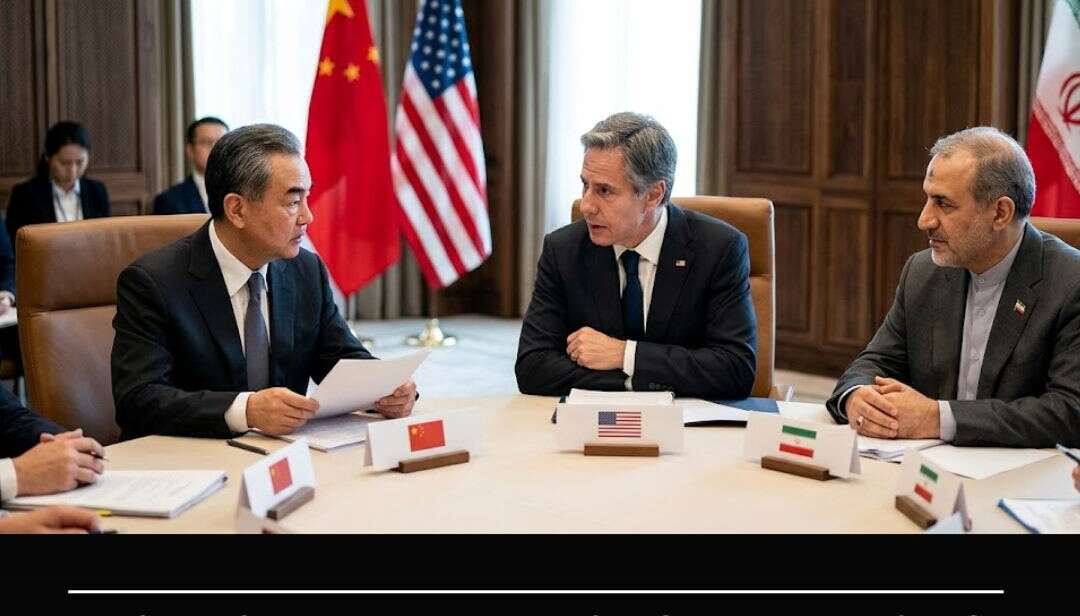
The move was a pointed message delivered just weeks before the scheduled Trump-Xi summit on May 14–15 a meeting at which Trump will become the first US president to visit China in nearly a decade. China’s Ministry of Commerce responded by blocking US sanctions against five of its oil refineries, signalling it would not simply absorb economic pressure without pushback.
The standoff reveals the deeper architecture of Donald Trump and Iran news: Trump’s Iran strategy is inseparable from his China strategy. By enforcing a naval blockade of the Strait of Hormuz through which China imports roughly a third of its total oil and gas — Trump is not merely squeezing Tehran. He is applying a slow economic chokehold on Beijing, whose manufacturing base and domestic stability depend heavily on Gulf energy flows.
The Nuclear Deal Dimension
At the heart of the US-Iran diplomatic push is the question of a new nuclear deal with Iran and China has inserted itself into that conversation in a telling way. Beijing has signalled it is open to taking custody of approximately 970 pounds of Iran’s enriched uranium as part of a potential agreement, a concession that would address one of Trump’s core demands while giving China an outsized role in the deal’s architecture.
Trump has maintained that the US naval blockade of Iran will remain in place until a nuclear deal is secured. Iran, for its part, has proposed ending the war first and addressing its nuclear programme in subsequent talks a sequencing Trump has so far rejected. Iran says it has now received the US response to its latest peace proposal, with both sides signalling cautious engagement.
The unresolved conflict has, paradoxically, complicated Trump’s leverage heading into Beijing. Sources familiar with the summit preparations told CNN that Trump had hoped to arrive in China with a quick Iran victory to use as negotiating currency. The protracted standoff has denied him that. Xi, meanwhile, arrives with patience, energy leverage, and a domestic audience that has watched Beijing avoid the war entirely.
What Xi Wants From the Room
China’s asks at the Trump-Xi summit are well-documented: a US declaration of opposition (rather than mere non-support) to Taiwan independence, a relaxation of restrictions on high-end technology exports, and the removal of Chinese firms from US sanctions lists. Iran, in this framing, is not just a foreign policy crisis it is a bargaining chip Beijing intends to use carefully.
Whether Trump and Xi can cut a grand transaction that links the Iran nuclear deal to trade concessions and Taiwan policy will define the geopolitical landscape for years. For now, China is doing what it does best: watching, waiting, and ensuring that whichever way the war ends, Beijing is positioned as indispensable to the outcome.

Oil & Energy Markets
A look at crude price swings, OPEC supply moves, and how energy markets react to geopolitical shocks.

Geopolitics & Conflict
Breaking down how wars, ceasefires, and diplomatic deals ripple through global trade and security.
US Foreign Policy
Coverage of Trump administration negotiations, sanctions, and strategic decisions shaping world events.
Economy & Inflation
Tracking how commodity prices, gas costs, and supply chains affect everyday consumers.