
Share This Article
The US and Iran are closer to ending their war than at any point since the conflict began with senior officials on both sides quietly converging on a one-page memorandum of understanding that could halt hostilities, launch nuclear negotiations, and reopen the Strait of Hormuz to global shipping.
Multiple sources familiar with the talks confirmed to US and Iran news outlets that the two sides are negotiating a 14-point memorandum of understanding (MOU) a short, bridging document designed to formally declare an end to the war and trigger a structured 30-day period of detailed negotiations. Nothing has been signed, officials caution, and talks have collapsed at the last minute before. But this is the closest Washington and Tehran have come to a deal since the US and Israel launched strikes on Iran on February 28, 2026, killing Supreme Leader Ali Khamenei and setting off the most consequential Middle East conflict in a generation.
What the One-Page Deal Contains
The proposed MOU, crafted by Trump envoys Steve Witkoff and Jared Kushner alongside senior Iranian officials, lays out a framework that touches three core issues simultaneously.
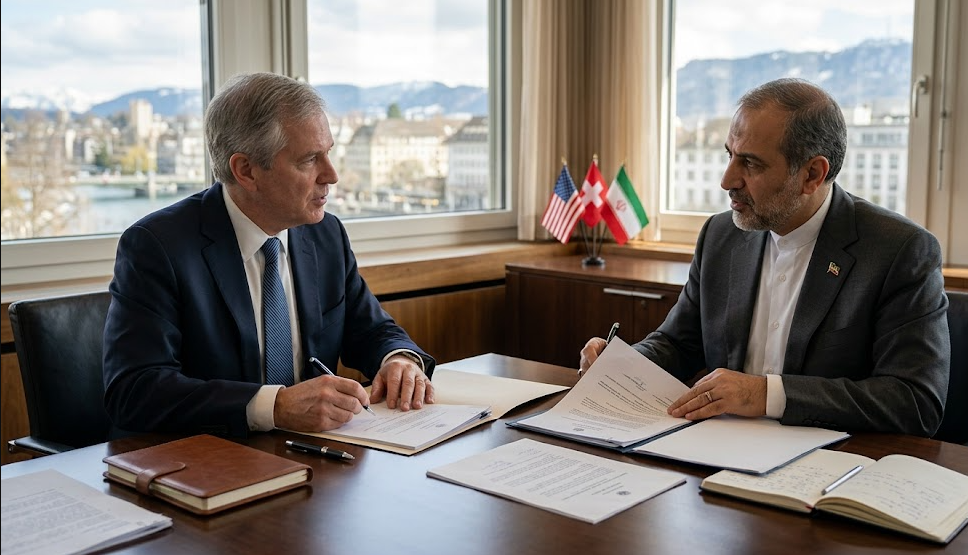
First, it would formally declare an end to the war, suspending all active military operations between US and Iranian forces and unlocking the 30-day window for comprehensive follow-on negotiations.
Second, it addresses Iran’s nuclear programme the central demand of the Trump administration and the principal sticking point in US and Iran nuclear deal talks stretching back years. Under the emerging terms, Iran would commit to a moratorium on uranium enrichment and pledge never to seek or develop a nuclear weapon. The duration of that moratorium remains actively contested: Washington has demanded 20 years, Tehran proposed 5, and three sources suggest the likely compromise is landing between 12 and 15 years. Iran has drawn firm red lines against transferring its existing stockpile of highly enriched uranium out of the country, while the US insists it must be moved to a third nation with China having signalled openness to taking custody.
Third, the MOU would initiate mutual lifting of blockades on the Strait of Hormuz, the release of frozen Iranian assets, and the formal removal of US economic sanctions the economic oxygen Tehran has been deprived of for years.
If the 30-day negotiation window produces a full agreement, it would represent the most sweeping US and Iran diplomatic breakthrough since the original 2015 nuclear accord.
Pakistan: The Quiet Architect
Behind the scenes, Pakistan has emerged as the indispensable intermediary. Pakistani Prime Minister Shehbaz Sharif’s government has been in direct, sustained contact with both Washington and Tehran, hosting face-to-face talks between US and Iranian officials in Islamabad sessions that lasted as long as 21 hours. It was positive feedback from Pakistani mediators on May 5 that prompted Trump to announce a pause of Project Freedom, his naval operation to escort ships through the Strait of Hormuz, citing “great progress” toward a “complete and final agreement.”
Iranian Foreign Minister Abbas Araghchi himself acknowledged the channel, stating that talks were “making progress with Pakistan’s gracious effort.” Islamabad, long squeezed between Washington and Tehran, appears to have converted its geographic and diplomatic position into genuine geopolitical leverage.
Trump Talks Peace and War Simultaneously
In a characteristic negotiating manoeuvre, Trump has paired the diplomatic outreach with escalating military threats. Even as US and Iran news sources reported the two sides nearing agreement, Trump declared that Iran would be bombed at “a much higher level” if a deal was not reached the latest in a pattern of simultaneous carrot-and-stick pressure that has defined his approach to the Iran and Israel war from the outset.
Trump also told reporters that talks over the past 24 hours had been “very good” and that the war would be “over quickly” though he stopped short of declaring a timeline or confirming the MOU’s contents.
What Comes Next
Iran’s foreign ministry confirmed it is still reviewing the US proposal, with Tehran expected to convey its position through Pakistani intermediaries within 48 hours. The investigation into the exchanged texts, a spokesperson said, is “ongoing.”
Subsequent negotiations expected to be held in Islamabad or Geneva would tackle the granular architecture of a lasting peace: the precise terms of nuclear limits, the mechanics of sanctions removal, security guarantees for the Strait, and the future of Iran’s relationship with both the US and Israel.
For the world’s energy markets, stranded sailors, and the 20,000 seafarers still trapped in the Persian Gulf, a signed MOU cannot come soon enough. But as one senior official cautioned: “We have been here before.”

Oil & Energy Markets
A look at crude price swings, OPEC supply moves, and how energy markets react to geopolitical shocks.

Geopolitics & Conflict
Breaking down how wars, ceasefires, and diplomatic deals ripple through global trade and security.
US Foreign Policy
Coverage of Trump administration negotiations, sanctions, and strategic decisions shaping world events.
Economy & Inflation
Tracking how commodity prices, gas costs, and supply chains affect everyday consumers.