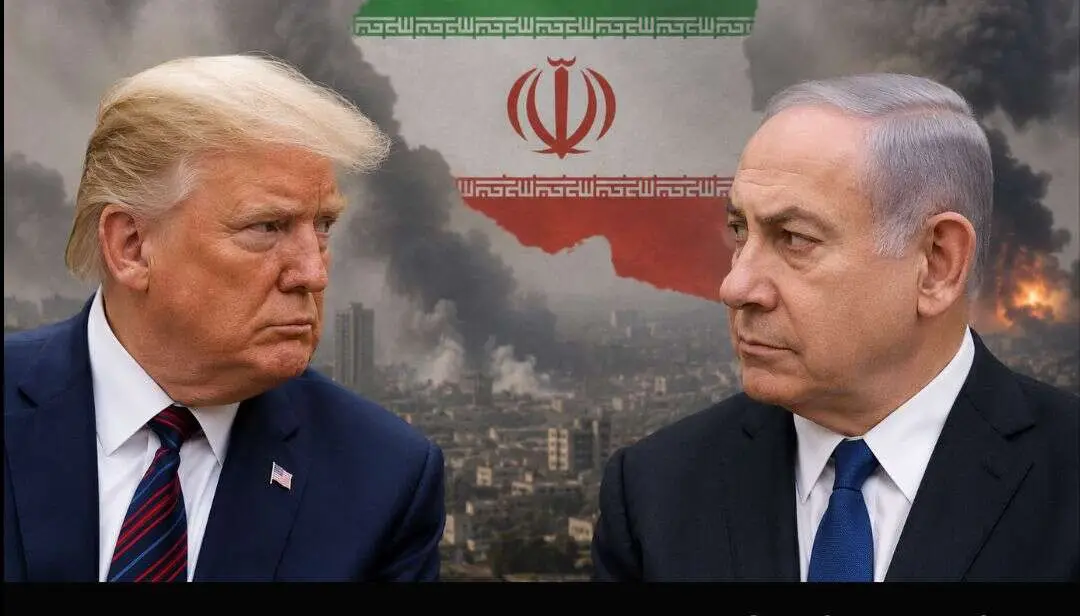
The alliance that launched Operation Epic Fury together is showing its deepest fractures yet. On May 20, 2026, President Donald Trump and Israeli Prime Minister Benjamin Netanyahu held what multiple sources described as a deeply contentious phone call over the future of the Iran conflict — a conversation so heated that one US official briefed on its contents told Axios with stark brevity: “Bibi’s hair was on fire after the call.”
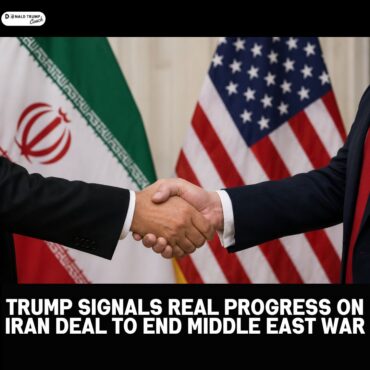
Netanyahu was reportedly “fuming” after Trump revealed that mediators from Pakistan, Qatar, Saudi Arabia, Turkey, and Egypt were advancing a “letter of intent” framework that would formally end the US-Iran war, establish a 30-day negotiation window, address Iran’s nuclear program, and — critically — secure the reopening of the Strait of Hormuz. For Netanyahu, a leader who has spent four decades pressing for the dismantling of the Iranian regime, Trump’s pivot toward diplomacy landed not as strategy but as betrayal.
Two Leaders, Two Wars
The core disagreement between Trump and Netanyahu is not tactical — it is fundamental. It reflects two leaders who prosecuted the same opening military campaign with entirely different endgames in mind.
Netanyahu’s position is unambiguous: Israel wants to resume military strikes immediately to further degrade Iran’s military capabilities, destroy remaining critical infrastructure, and press toward systemic regime change. He told Trump directly that delaying the expected follow-on attacks was a mistake and that the proposed diplomatic framework represented “super dangerous dragging of feet.” In a CBS 60 Minutes interview, Netanyahu acknowledged that regime change was “possible, not guaranteed” — but his operational approach leaves little doubt about which outcome he is steering toward.
Trump’s calculus is different. The president has argued that killing senior Iranian leaders — including Supreme Leader Khamenei — constitutes a form of regime change in itself. More tellingly, he has stated plainly that he sees “no scenario where continued bombing would yield strategic achievements” and that he believes diplomacy can still deliver a nuclear concession from Tehran. With his approval ratings at historic lows, gas prices at $4.39 per gallon, and military costs approaching $25 billion, Trump needs an exit — and he needs one before the political damage becomes irreversible.
The two men are, in essence, fighting different wars under the same banner. Israel wants to finish the job. Trump wants to close the deal.
The Strait of Hormuz: Where the Rift Becomes Economic
At the center of the diplomatic impasse — and the Trump-Netanyahu rift — sits the Strait of Hormuz. Iran’s counter-proposal to the “letter of intent” framework demands US recognition of Iranian sovereignty over the blockaded strait, plus financial compensation, before any nuclear discussions begin. Iran has also insisted that any ceasefire must address all active fronts simultaneously, including Israel’s ongoing conflict with Hezbollah in southern Lebanon — a compartmentalization Netanyahu explicitly opposed.
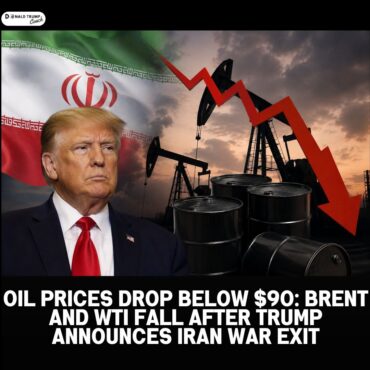
The Strait of Hormuz blockade, in place since March 4, has removed roughly 20% of global crude oil from daily circulation, driving Brent crude to near $120 per barrel at its peak and triggering supply crises from India to Europe. Every week the strait remains blocked is a week that erodes Trump’s domestic political standing and inflates the economic argument for a diplomatic resolution. For Netanyahu, that same economic pressure is leverage — a reason for Washington to stay engaged militarily rather than rush toward a deal that leaves Iran’s regime intact.
For a detailed account of the May 20 call and its immediate fallout, see Axios’s reporting on the tense Trump-Netanyahu exchange over the Iran peace framework.
Trump’s Public Assertion — and Its Limits
Trump’s public posture after the call was characteristically assertive. He told reporters that Netanyahu “will do whatever I want him to do” on Iran — a statement that, while projecting confidence, sits awkwardly beside the reported fury on the Israeli side of the line. The Prime Minister’s Office maintained strict silence, releasing no transcript and refusing to comment on the leaked details, a restraint that itself signals the sensitivity of the rift becoming public.
The Iran conflict ceasefire, declared on June 24, 2025 and extended multiple times since, is now described by US officials as on “life support” — Iran’s latest proposal having failed to include the nuclear concessions Washington considers the minimum threshold for a durable agreement. VP JD Vance has characterized the current truce as a “fragile” arrangement that neither side has fully honored.
The Republican Fracture Behind the Scenes
The Trump-Netanyahu phone call lands inside a Republican Party that is itself divided over the Iran conflict in ways that the administration has been unable to fully contain. Four Republican senators — Susan Collins, Lisa Murkowski, Rand Paul, and Bill Cassidy — have now joined Democrats in advancing a War Powers resolution against the war. MAGA voters, who supported Trump’s “no forever wars” doctrine, are increasingly asking whether their president was drawn into exactly the kind of open-ended military engagement he promised to avoid.
The New Republic captured the political paradox bluntly in a headline: “Trump and Netanyahu Have Royally Screwed Each Other Over.” Both men launched the war expecting a swift, decisive outcome. Instead they have produced a protracted standoff, a blocked Strait of Hormuz, soaring oil prices, fractured alliances, and a phone call so tense that aides on both sides are leaking its contents to the press.
Whether the “letter of intent” framework survives Netanyahu’s resistance — and whether Trump has the political will to push a deal his closest regional ally opposes — will define the US-Iran war’s next phase. For now, the alliance that made the war is struggling to agree on how to end it.