A landmark deal, a unilateral withdrawal, years of broken trust — and a world now paying the price. It is one of the most urgent questions of 2026: if Iran and the world’s major powers signed a historic agreement in 2015 to stop Iran’s nuclear program, why are U.S. and Israeli missiles now striking Iranian
A landmark deal, a unilateral withdrawal, years of broken trust — and a world now paying the price.
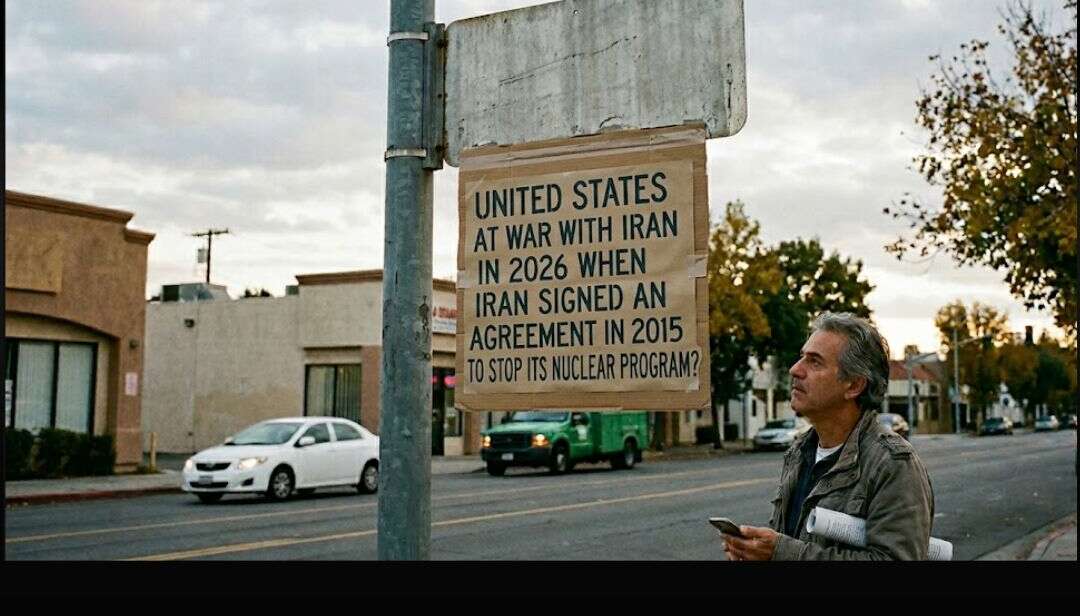
It is one of the most urgent questions of 2026: if Iran and the world’s major powers signed a historic agreement in 2015 to stop Iran’s nuclear program, why are U.S. and Israeli missiles now striking Iranian soil? The answer is a decade-long story of political reversals, violated commitments on both sides, and a diplomatic failure so complete that it ended not at a negotiating table — but in open war.
What the 2015 Deal Actually Said
On July 14, 2015, the United States and its international negotiating partners reached an agreement with Iran on its nuclear program: the Joint Comprehensive Plan of Action (JCPOA). The agreement was formally adopted on October 18, 2015, and was implemented on January 16, 2016, after the IAEA verified that Iran had fulfilled its initial commitments. In exchange for curtailing its nuclear activities, the United States and other world powers agreed to waive nuclear-related sanctions. Center for Arms Control and Non-Proliferation
The deal was considered a landmark of multilateral diplomacy. The JCPOA restricted Iran from enriching uranium past 3.67% and extended Iran’s breakout time — the time it would take to produce enough fissile material for a nuclear weapon — to more than one year. Center for Arms Control and Non-Proliferation Crucially, it gave the world’s nuclear watchdog, the IAEA, extensive access to verify Iran’s compliance. For a brief window, the world exhaled.
The Unraveling: America Walks Away First
The deal began to collapse not from Tehran, but from Washington. The United States withdrew from the pact in 2018, imposing sanctions under its maximum pressure campaign. The sanctions applied to all countries and companies doing business with Iran and cut it off from the international financial system, rendering the nuclear deal’s economic provisions null. Wikipedia
Iran’s response was predictable. Since May 2019, Iran has continued to violate the terms of the JCPOA. It lifted the cap on its uranium stockpile, which is now 30 times the level permitted; increased its enrichment activities to 60%, significantly beyond the 3.67% permitted under the deal; and expanded enrichment capabilities and resumed activity at nuclear facilities previously prohibited under the agreement. House of Commons Library
The trajectory was alarming. As of the IAEA’s November 2024 report, Iran’s breakout time had been substantially decreased from more than one year during the deal to one week or less. Center for Arms Control and Non-Proliferation The world had gone from a year of warning to almost none.
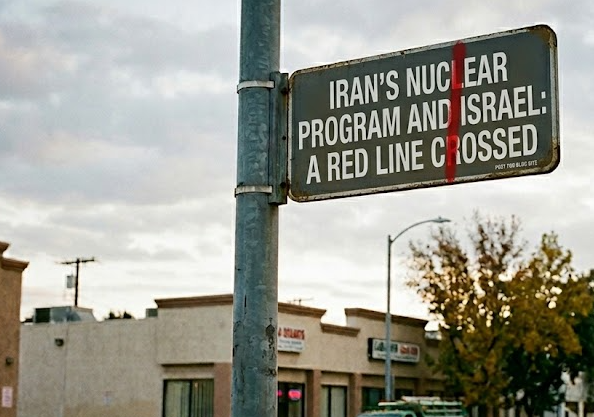
Iran’s Nuclear Program and Israel: A Red Line Crossed
For Israel, Iran’s nuclear program was never just a diplomatic inconvenience — it was an existential threat. On June 13, 2025, Israel launched a series of strikes on Iran targeting Iranian nuclear facilities and scientists, military sites, and leadership, marking a major escalation in ongoing tensions. On June 21, 2025, the United States conducted airstrikes on three nuclear sites in Iran — Fordow, Natanz, and Esfahan — joining the armed conflict and marking the first direct U.S. military attack on Iran’s nuclear program. Just Security
Even after those strikes, negotiations continued. On April 12, 2025, Iran and the United States had begun a series of nuclear talks following a letter from President Trump to Iranian Supreme Leader Khamenei, with Trump setting a 60-day deadline for a deal. Wikipedia Those talks, mediated through Oman, ultimately failed. The attacks also followed the failure of indirect negotiations in February 2026 on a new agreement to curtail Iran’s nuclear program. The mediating Omani foreign minister had stated significant progress, with Iran willing to make concessions, but President Trump said he was “not thrilled” with the talks. House of Commons Library
February 28, 2026: Diplomacy Ends, War Begins
On February 28, 2026, U.S. and Israeli forces launched nearly 900 strikes in 12 hours targeting Iranian missiles, air defenses, military infrastructure, and leadership. The initial wave of strikes killed Supreme Leader Ali Khamenei and dozens of other officials. Encyclopedia Britannica
Iran responded with missile and drone strikes against Israel, U.S. bases, and Arab countries in the Middle East, and the closure of the Strait of Hormuz, disrupting global trade. Wikipedia The human and economic costs have been staggering. The Iranian government put total direct and indirect damage from the airstrikes at around $270 billion — not far off the IMF’s estimate for the entirety of Iran’s 2026 gross domestic product of $300 billion. Bloomberg
Why Did It Come to This?
The road from 2015 to 2026 is paved with broken commitments and missed opportunities. Deep mutual distrust and sharply contrasting negotiating styles made a quick deal unlikely. As former lead U.S. JCPOA negotiator Wendy Sherman noted, the Trump administration’s approach was flawed from the start: “You cannot do a negotiation with Iran in one day. You can’t even do it in a week.” NPR
In view of Iran’s non-compliance with its JCPOA commitments, on September 28, 2025, the UN Security Council decided to reimpose all the sanctions that had been lifted in 2016. Consilium By then, the diplomatic window had effectively closed.
The 2015 Iran nuclear deal was not perfect — but it was working. Its collapse, triggered first by a U.S. withdrawal and then compounded by Iranian violations, created the very crisis it was designed to prevent. The war of 2026 is not a failure of diplomacy alone. It is the consequence of what happens when diplomacy is abandoned before it has a chance to succeed.
Market Analysis
A quick snapshot of market trends, customer behavior, and competitor movements.