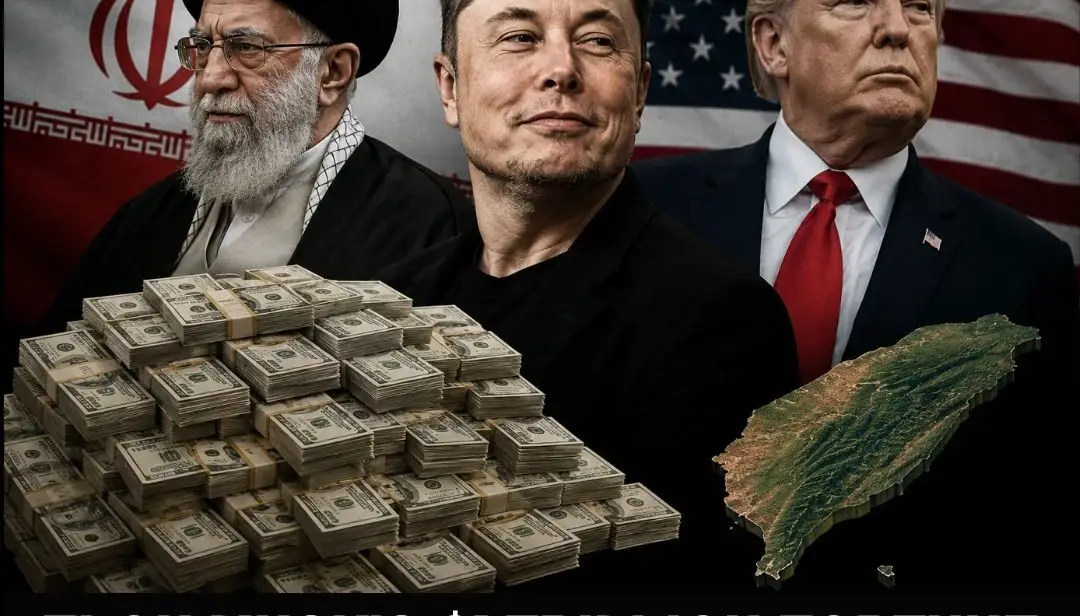
On the morning of June 12, 2026, SpaceX priced its long-anticipated IPO at $135 per share — valuing the company at approximately $1.77 trillion and triggering a wealth calculation that rewrote the history books. Elon Musk, whose roughly 43% ownership stake in the combined SpaceX-xAI entity plus his Tesla holdings crossed the ten-digit threshold, became the world’s first verified trillionaire.
The milestone arrived against a backdrop of global turbulence: oil prices still elevated above $94 per barrel, the Strait of Hormuz closed for the 103rd consecutive day, and Iran having declared Musk’s own companies “military targets” just 24 hours earlier. The world’s most consequential waterway and the world’s most valuable fortune had collided — with Musk’s wealth sitting at the precise intersection of geopolitical risk and historic capital creation.
How One Man Got to $1 Trillion
The journey from billionaire to trillionaire took less than two years of compounding catalysts. In December 2024, Musk’s wealth crossed $440 billion — already the largest individual fortune in recorded history. By January 2026 it had reached $750 billion. Then came the acceleration:
February 2, 2026: SpaceX acquired xAI in an all-stock transaction, merging two of Musk’s most valuable companies into a single entity valued at approximately $1.25 trillion. Musk’s stake in the combined company immediately exceeded $530 billion.
June 12, 2026: The SpaceX IPO — filed April 1, raising a planned $75 billion — pushed Musk’s combined holdings past the trillion-dollar mark. Tesla’s market capitalisation of $1.35 trillion compounded the calculation. Combined, Musk’s stakes in the publicly listed entities alone exceed $1.1 trillion.
Oxfam, tracking the surge, noted that Musk’s wealth grew at a rate of over $1 million per minute over the past year. Oxfam’s Senior Director of Economic Justice, Nabil Ahmed, called it “a trillion-dollar alarm bell”: “Never has it been more urgent to curb the accumulation of extreme wealth — overhauling the economic policies that have created not just trillionaires, but billionaires and the obscene inequality we see today.”
Taiwan’s Economy, 150 Countries, and the US Gold Reserve
The comparisons required to contextualise $1 trillion are themselves staggering.
Taiwan’s entire annual GDP — the output of 23 million people, home to the world’s most advanced semiconductor industry, growing at 8.68% in 2025 (its fastest in 15 years) — stands at approximately $1.7 trillion in purchasing power parity terms. One man’s paper wealth now rivals one of Asia’s most dynamic economies.
Approximately 150 countries have a GDP smaller than Musk’s current net worth. Portugal ($309 billion), Greece ($257 billion), and dozens of mid-sized economies sit below his wealth line. When Musk’s fortune was “only” $447 billion, only 55 countries had more total household wealth. At $1 trillion, the list of nations that can claim more has shrunk dramatically.
The US gold reserve — all 8,133.5 tonnes stored at Fort Knox and Federal Reserve vaults — is worth approximately $1.16 trillion at current prices of ~$4,450 per ounce. Musk’s fortune now rivals the gold backing of the world’s largest economy.
For automotive context: Musk could theoretically purchase Ford ($55 billion), General Motors ($74 billion), Rivian ($20 billion), and Toyota (~$382 billion) simultaneously — and still have roughly $141 billion left over.
SpaceX, Starlink, and the War Premium
The SpaceX IPO was not built in a vacuum. It was constructed, in no small part, on a war economy. SpaceX’s Starlink satellite internet service — now boasting 10.3 million subscribers across 160 countries, having doubled year-over-year — generated $11.4 billion in revenue in 2025, representing 61% of SpaceX’s total $18.7 billion in sales.
Critically, Starlink has become indispensable to the US military’s operations in the Iran-US War. Pentagon drones guided via Starlink played visible roles in the recent June 9–10 strikes that hit multiple targets across southwestern Iran. CENTCOM’s dependence on satellite communications has driven both contract volume and strategic valuation premium into the SpaceX IPO price.
The irony is sharp. On June 11 — the day before the IPO that made Musk a trillionaire — Iran’s state media declared Musk’s companies “military targets,” specifically identifying Starlink ground stations in Qatar, Jordan, the UAE, and Oman. The geopolitical risk that threatened Musk’s infrastructure also validated the strategic premium investors placed on it.
The Oil Price Paradox: How Hormuz Helped Tesla
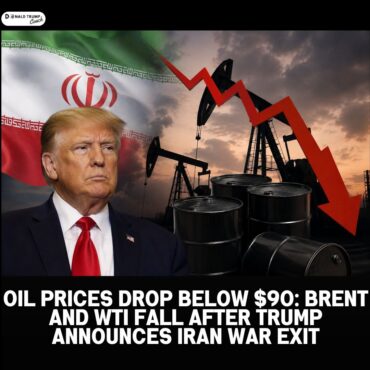
The Strait of Hormuz closure — now entering its fourth month — has pushed oil prices up more than 50% since February 28, driving pump prices to $4.25–$4.55 per gallon across the United States. For most industries, that is a cost crisis. For Tesla, it is a demand catalyst.
“The EV boom is being driven by the spike in oil prices,” Tesla confirmed in a recent investor communication. When elevated fuel costs persist for months rather than weeks, consumers accelerate their shift to electric vehicles. Global EV sales data from the IEA confirms the trend: Southeast Asian EV sales more than doubled year-over-year in Q1 2026. India’s EV growth exceeded 30%. Tesla reclaimed its position as the global EV market leader in Q1 2026.
The same crisis that has stranded 1,550 ships and killed Indian sailors in the Gulf of Oman has, indirectly, supported the valuation of the company that forms the backbone of Musk’s trillion-dollar empire.
Rockefeller’s Ghost
History offers one previous benchmark worth measuring against. John D. Rockefeller, at his 1913 peak, controlled $900 million — equal to approximately 2.5% of US GDP at the time, or an inflation-adjusted $300–$630 billion in today’s dollars. Guinness World Records recognises him as “the richest person ever adjusted for inflation.”
Musk has now surpassed him — not just in absolute dollars but in verified, market-priced certainty. Rockefeller’s wealth was estimated. Musk’s is traded on Nasdaq.
Oxfam’s verdict was blunt: “A trillion dollars in the hands of one man is incompatible not only with an affordable economy, but also with a healthy democracy.”
Whether the markets, or history, will ultimately agree — remains the more valuable open question.
What Comes Next
SpaceX’s IPO ticker SPCX begins trading today. Tesla’s Cybercab robotaxi rollout, the Optimus humanoid robot production line, and xAI’s Grok AI platform — now at 117 million monthly active users — represent the next layers of Musk’s wealth architecture.
For now, one number defines the moment: $1,000,000,000,000. More than Taiwan. More than 150 countries. More than the US gold reserve. And growing, by Oxfam’s count, at over a million dollars a minute.