Share This Article
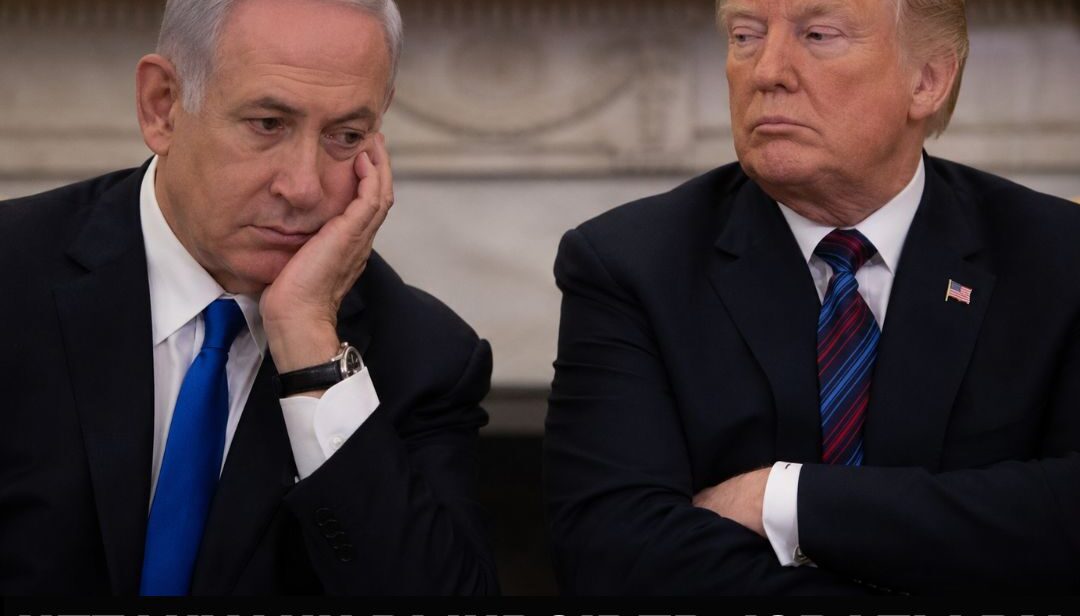
Three hours. That is how close the US military was to launching another wave of strikes against Iran when President Donald Trump abruptly cancelled them on June 11. No final debrief with generals. No press conference. And according to multiple sources cited by Axios and ANI News no phone call to Benjamin Netanyahu.
Israel’s Prime Minister, who had been pressing Washington for days to sustain military pressure on Tehran, learned that Trump had scrapped the strike plans and announced a near-finalised peace deal with Iran the same way the rest of the world did: through a public statement. He was, sources said, “entirely blindsided.”
It was the most consequential unilateral decision of the Iran-US War and it landed on America’s closest ally in the region like a missile with no warning.
The Moment Trump Pulled Back
June 11 began with familiar escalation. The previous 48 hours had seen two consecutive days of US strikes on Iran 49 Tomahawk cruise missiles hitting air defense systems, command-and-control nodes, and military infrastructure across southwestern Iran in response to Iran downing a US Army Apache helicopter over the Strait of Hormuz.
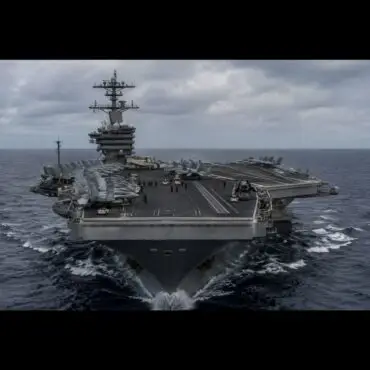
Trump had threatened that Iran would be hit “VERY HARD.” Defense Secretary Pete Hegseth had echoed the warning. CENTCOM assets were positioned. The strike packages were loaded.
Then, with roughly three hours to go, Trump reversed course entirely.
“Based on the fact that discussions with the Islamic Republic of Iran have been brought to the highest level of Iranian leadership and approved,” Trump declared, he was cancelling the strikes. A peace deal, he claimed, could be signed “as soon as this weekend.”
Markets responded instantly the Dow Jones surged 810 points and oil prices fell sharply as traders priced in a potential Strait of Hormuz reopening. Netanyahu’s office had no such relief. Jerusalem had not been part of the conversation.
What Netanyahu Knew And When
The Times of Israel confirmed that Netanyahu publicly stated Israel was “not party to the emerging memorandum of understanding” announced by Trump a diplomatically careful phrasing that masked something rawer: Israel had been excluded from negotiations that directly determine its security environment.
Netanyahu’s office issued a statement noting that Trump had spoken with the Prime Minister regarding the emerging deal conspicuously after the fact. The statement carefully praised Trump’s commitment to ensuring the final deal would include removal of enriched uranium, dismantling of enrichment infrastructure, limits on missiles, and cessation of support for proxy groups a list of conditions that read less like approval and more like a wish list submitted to a decision already made.
Axios reporting made the underlying dynamic explicit: Netanyahu was “caught off guard” by Trump’s initial public statement on the deal. He had lobbied hard against pausing military measures just days earlier, warning Trump on a tense phone call that Iran was engaging in diplomatic “foot-dragging” and that continued strikes were necessary.
Trump’s response to that lobbying, according to multiple sources: “You’ll be on your own if attacks on Iran continue.”
A Partnership Under Strain
The relationship between Trump and Netanyahu which began this conflict together on February 28 when Operation Epic Fury launched nearly 900 strikes in 12 hours had been deteriorating for weeks in ways now impossible to ignore.
Trump has reportedly called Netanyahu “f*ing crazy”** during phone calls, as PBS News confirmed. Trump publicly acknowledged the comments, framing Netanyahu’s continued Lebanon escalations as actively “complicating peace talks with Iran.”
A tense call in May over a new Iranian peace proposal had already exposed the fault line. A Washington Times analysis described the Iran war as having “pushed Trump-Netanyahu friendship to its limit” a relationship now defined not by shared strategy but by diverging endgames.
Trump wants the deal. He has claimed at least 38 times between March and June that an agreement was imminent. He wants to be the peacemaker president who reopened the Strait of Hormuz and ended the conflict that has pushed US inflation to a three-year high of 4.2% and forced the House to pass a resolution limiting his war powers.
Netanyahu wants something different: continued pressure, verifiable Iranian capability degradation, and no deal that eases sanctions while leaving Tehran’s nuclear infrastructure intact. His base and his October 2026 election — demands it.
“Washington, rather than Tel Aviv, dictates the trajectory of talks with Tehran,” multiple sources have confirmed Trump made clear. For Netanyahu, this represents a seismic shift in the alliance’s power dynamic.
Iran Is Not Convinced Either
The irony of the June 11 reversal is that the country Trump announced a deal with was just as surprised as the ally he excluded.
Iran’s Foreign Ministry spokesperson stated that reports of a finalised agreement were “merely speculation” and that Tehran “had not yet made a final decision on any deal.” Iran’s semi-official Fars News Agency reported that Iranian leaders “had not approved any text with the US” directly contradicting Trump’s characterisation.
Iran’s top joint military command issued a warning that “any future US attack on Iran would trigger a response even more severely than before.” Iranian negotiator Ghalibaf cited “a general lack of trust in the American side.”
Trump, for his part, has made the deal’s terms partially public. Under the proposed memorandum of understanding: the Strait of Hormuz would reopen, the US blockade would lift, Iran would clear its mines, oil sales would resume, and nuclear program curbs would be negotiated in a subsequent 60-day window. Treasury Secretary Scott Bessent separately warned Oman against facilitating transit tolls through the Strait a sign Washington is already policing the post-deal waterway before any deal exists.
Bloomberg reported that the negotiation has been “slowed by couriers in complex peace process” a detail that suggests the deal is less close than Trump’s public framing implies.
What Netanyahu’s Blindsiding Means for the Alliance
CNN’s analysis warned that an emerging Iran deal “risks shattering Netanyahu’s legacy” the possibility that the man who started the war to eliminate Iran’s nuclear threat may preside over a deal that leaves it partially intact.
Foreign Policy reported that negotiations have been conducted with “near-total exclusion of Jerusalem.” The practical consequence: Israel is no longer a co-architect of the diplomatic outcome it was a co-architect of launching militarily.
Netanyahu’s position is structurally weak. Trump is reportedly more popular in Israel than Netanyahu himself meaning a public withdrawal of American backing could cost the Prime Minister his October 2026 election. The leverage runs one way.
For now, Netanyahu is left doing what blindsided allies always do: issuing statements that frame exclusion as consultation, and demanding guarantees for an outcome he did not shape.

Oil & Energy Markets
A look at crude price swings, OPEC supply moves, and how energy markets react to geopolitical shocks.

Geopolitics & Conflict
Breaking down how wars, ceasefires, and diplomatic deals ripple through global trade and security.
US Foreign Policy
Coverage of Trump administration negotiations, sanctions, and strategic decisions shaping world events.
Economy & Inflation
Tracking how commodity prices, gas costs, and supply chains affect everyday consumers.