Share This Article
Global energy markets remain on edge as geopolitical fault lines deepen
April 29, 2026 The price of crude oil pulled back modestly on Wednesday after touching a three-week high, as markets attempted to absorb the twin shocks of the United Arab Emirates’ surprise exit from OPEC and the continued Strait of Hormuz disruption that has upended global energy trade since March.
WTI crude fell to $99.32 per barrel on April 29, down 0.61% from the previous session, retreating after a prolonged rally. Brent crude futures had climbed as high as $115 per barrel earlier in the week the highest level since June 2022 marking an eighth straight session of gains before the modest pullback. Despite Wednesday’s dip, crude oil prices remain dramatically elevated, roughly 70% higher than a year ago, driven by a crisis that analysts have compared to the worst energy shocks of the 1970s.
UAE Exits OPEC, Rattling the Cartel
Here are Some Related Blogs to Read
- Tuesday’s missiles didn’t come out of nowhere, Iran has been digging out hidden missile stockpiles after rejecting Trump’s peace offer.
- Not everyone in Trump’s own camp agrees on strategy, JD Vance claims Hegseth has been misleading Trump on the Iran war.
- This isn’t the only recent flashpoint at sea, a US Navy destroyer just fired on and seized an Iranian cargo ship.
- The strikes haven’t ended Iran’s nuclear ambitions either, US intel says recent strikes did only limited damage to Iran’s nuclear program.
- That brief pause before Tuesday’s attack wasn’t random, Trump had deliberately paused Hormuz operations to force Iran into a deal.
- The missiles are only half the story, Iran and Israel’s spy war is heating up amid claims of stolen F-15 secrets.
- Trump’s fights aren’t confined to Tehran, he’s now clashing with his own SCOTUS picks back home.
The United Arab Emirates announced its decision to quit OPEC and OPEC+ to focus on “national interests,” dealing a heavy blow to the oil-exporting group at a time when the US-Israel war on Iran has caused a historic energy shock and rattled the global economy. The departure takes effect May 1, 2026.
The UAE’s exit from OPEC will undermine the cartel’s ability to influence the oil market, since the UAE is second only to Saudi Arabia in terms of spare production capacity a crucial tool used to manage prices and respond to supply shocks.
For now, the UAE like other oil producers in the region is limited in how much oil it can export because Iranian attacks and a US blockade have strangled traffic through the Strait of Hormuz. That means the news of its departure from OPEC will have essentially no near-term impact on oil supplies worldwide. The longer-term ramifications, however, could be profound.
Energy research firm Rystad Energy was blunt about what the exit means for the oil market. Losing a member with 4.8 million barrels per day of capacity, along with the ambition to produce more, takes a real tool out of the group’s hands, according to Rystad Energy’s head of geopolitical analysis.
The Strait of Hormuz Disruption: Nine Weeks and Counting
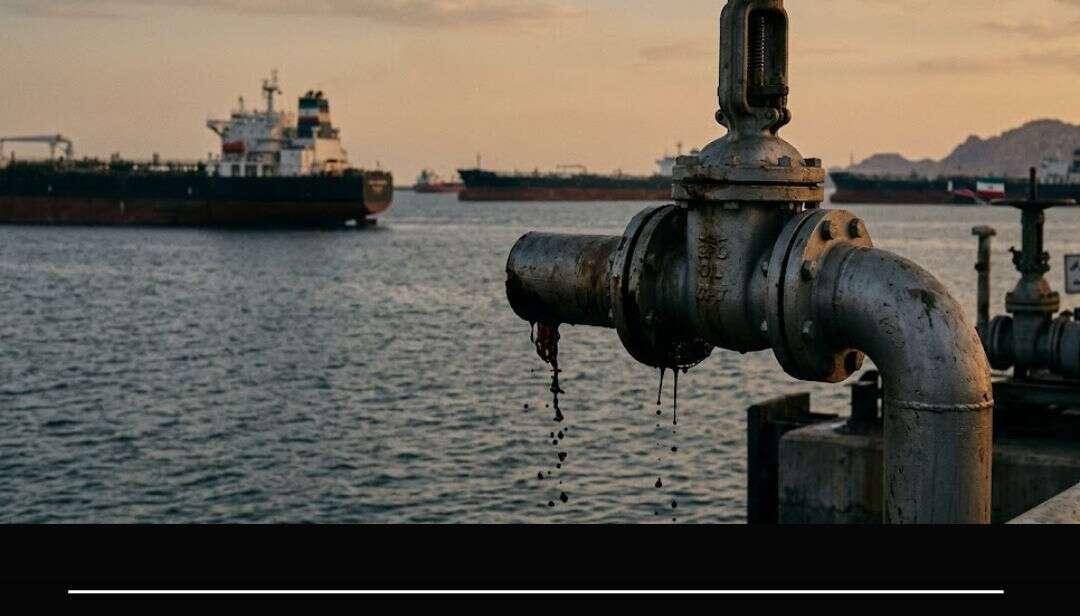
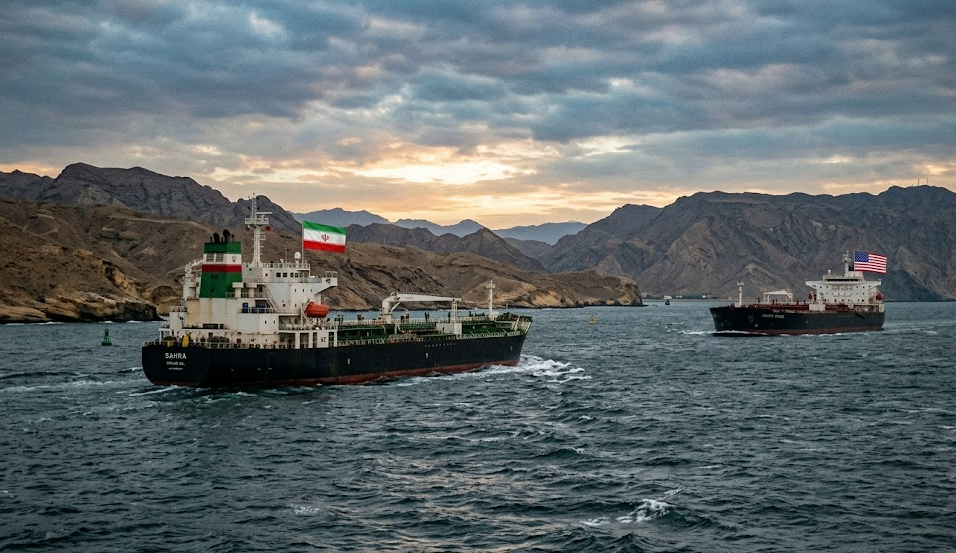
The Iran closing of the Strait of Hormuz remains the dominant force driving crude oil prices. Starting on March 4, 2026, Iranian forces declared the Strait “closed,” threatening and carrying out attacks on ships attempting to transit the waterway. Roughly 27% of the world’s maritime trade in crude oil and petroleum products passes through the Strait.
The crisis has been described as the largest disruption to the energy supply since the 1970s oil crises. Brent crude oil prices surpassed $100 per barrel on March 8 for the first time in four years, rising to $126 per barrel at its peak.
News of the Strait of Hormuz and Iran’s continued stranglehold on global shipping has sent insurance markets and tanker operators into a tailspin. Energy flows through the Strait of Hormuz crisis remain severely disrupted, with roughly 20 million barrels per day of crude, fuels, and petrochemicals affected. Even if hostilities ended immediately, a return to normal market conditions would take months, citing the need to clear mines, ease tanker congestion, and gradually restart production and refining.
US-Iran Tensions Block Path to Resolution
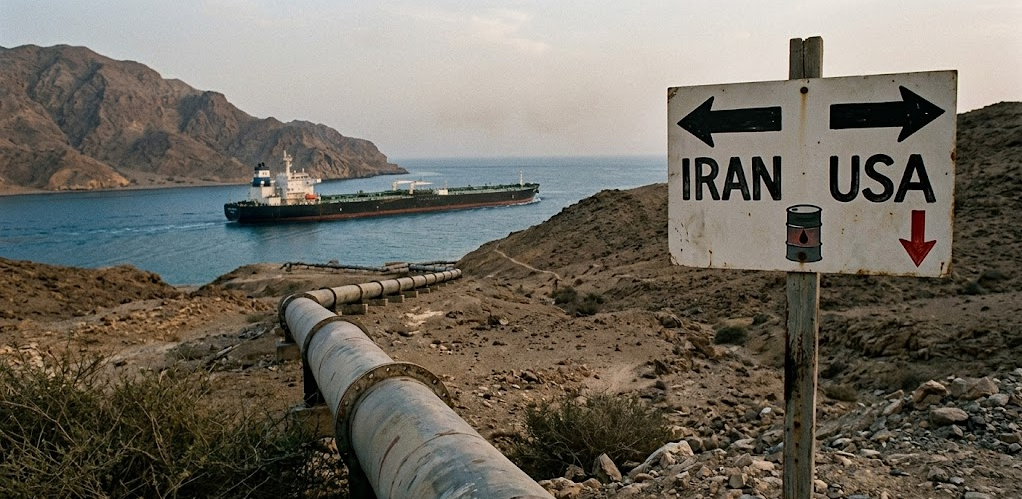
Despite a partial ceasefire holding since early April, negotiations remain deadlocked. President Donald Trump is dissatisfied with Iran’s proposal to open the Strait of Hormuz, according to reports, as Tehran’s nuclear programme remains a key sticking point in negotiations.
Iran’s president Masoud Pezeshkian stated that ongoing US actions were undermining trust and complicating paths to dialogue, adding that Tehran would not enter “forced negotiations” and that the American naval blockade at Iranian ports would need to end before reaching any agreement.
Washington is also stepping up economic pressure, with potential sanctions targeting Chinese refiners linked to Tehran and countries paying transit fees to secure passage through Hormuz.
Market Volatility to Persist
Analysts warn that crude oil prices will remain highly sensitive to any developments in the region. There is significant risk of higher oil price volatility as a result of the UAE’s OPEC departure. However, in the long run, when market conditions require cooperation, the UAE leaving OPEC doesn’t prevent it from cooperating with the group.
WTI crude oil front-month futures hovered near $99 per barrel as of April 29, 2026, reflecting a substantial geopolitical risk premium from ongoing Strait of Hormuz disruptions. OPEC+ signalled conditional output hikes of 206,000 barrels per day starting May, contingent on Hormuz recovery.
The International Energy Agency has warned of an unprecedented supply shock, while traders are closely watching the weekly EIA petroleum inventory report and any breakthrough or breakdown in US-Iran talks before month’s end.
For energy-importing nations, the outlook remains grim. As long as the Strait of Hormuz closing keeps global supply under siege and US-Iran tensions block a diplomatic exit, the price of crude oil is unlikely to find lasting relief regardless of who sits inside or outside OPEC.

Oil & Energy Markets
A look at crude price swings, OPEC supply moves, and how energy markets react to geopolitical shocks.

Geopolitics & Conflict
Breaking down how wars, ceasefires, and diplomatic deals ripple through global trade and security.
US Foreign Policy
Coverage of Trump administration negotiations, sanctions, and strategic decisions shaping world events.
Economy & Inflation
Tracking how commodity prices, gas costs, and supply chains affect everyday consumers.