On Tuesday, with hours remaining before the deadline he had called “highly unlikely” to move, Donald Trump moved it. The ceasefire with Iran — which the White House had repeatedly signaled would expire Wednesday evening — was extended indefinitely. No new end date was set. The blockade stayed. And the question that immediately followed was
On Tuesday, with hours remaining before the deadline he had called “highly unlikely” to move, Donald Trump moved it. The ceasefire with Iran — which the White House had repeatedly signaled would expire Wednesday evening — was extended indefinitely. No new end date was set. The blockade stayed. And the question that immediately followed was the same one that follows most Trump foreign policy decisions: was this strength, or was it the absence of a better option?
The answer, drawn from what officials on multiple sides have now confirmed, appears to be both.
The Official Reason: A “Seriously Fractured” Iran
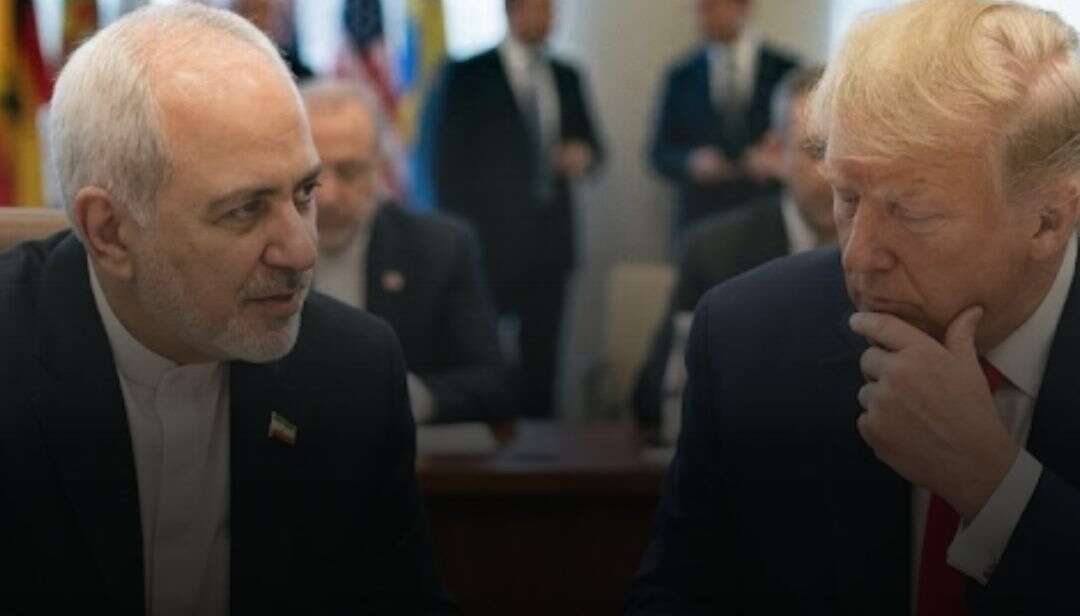
From the White House, Trump’s explanation was characteristically blunt. “The Iranian government is seriously fractured,” he posted, announcing the extension. The ceasefire would continue, he said, “until such time as their proposal is submitted, and discussions are concluded, one way or the other.”
He framed it as a position of dominance — the U.S. holding the pressure steady while a divided enemy struggles to form a coherent response. On the same day, he claimed Iran was “collapsing financially” and “losing $500 million a day” while the Strait of Hormuz remained blockaded. Treasury Secretary Scott Bessent reinforced the framing, stating that oil storage at Kharg Island would be full within days and that Iranian oil wells would effectively be “shut in” — unable to export, unable to generate revenue.
“Iran is starving for cash,” Trump told reporters. “Their military and police are complaining that they are not getting paid.”
The Real Reason: Tehran Cannot Agree With Itself
Beneath the triumphalist framing, the extension was driven by something more complicated — a genuine intelligence assessment that Iran’s leadership is too divided to deliver a deal, even if it wanted to.
U.S. officials have identified a sharp internal rupture between Iran’s civilian negotiating team — led by Parliamentary Speaker Mohammad Bagher Ghalibaf and Foreign Minister Abbas Araghchi, both of whom favored extending the ceasefire and continuing talks — and the Islamic Revolutionary Guard Corps command, led by General Ahmad Vahidi, whose deputies refused to offer concessions and opposed any negotiations while the naval blockade remained active.
The U.S. seizure of the Iranian cargo ship Touska last Sunday had deepened the rift, with IRGC commanders publicly accusing Iran’s diplomats of weakness. The civilian negotiators found themselves caught between Washington’s demands and their own military’s veto.
Adding a further layer of uncertainty: the new Supreme Leader, Mojtaba Khamenei — who succeeded his father following the strikes on Iranian leadership in the early weeks of the conflict — has not, according to U.S. intelligence assessments, been giving his subordinates clear or consistent direction. No one in the Iranian system, the White House believes, currently has full authority to sign a deal.
That is why Trump extended the ceasefire. Not because a deal was close — but because the other side cannot yet tell him what it wants.
Pakistan’s Role and the Israel Angle
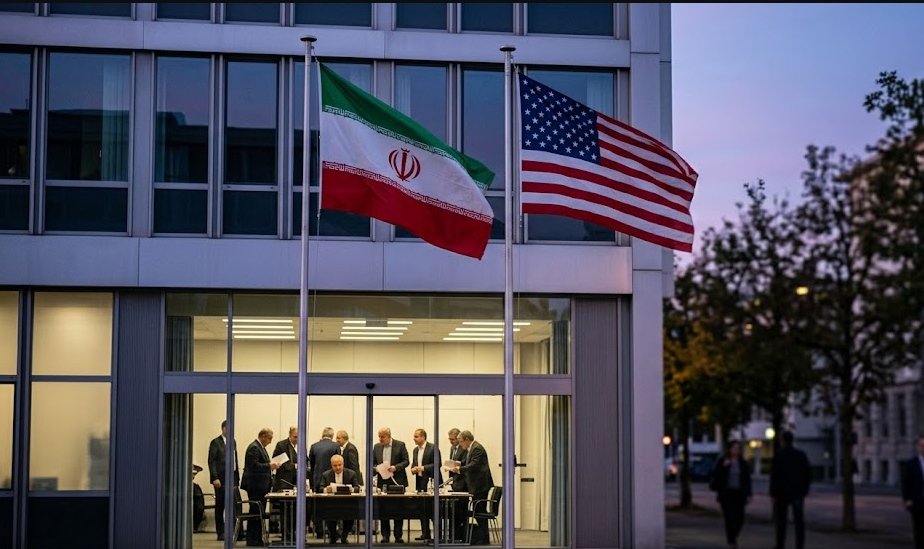
The formal trigger for the extension was a request from Pakistani mediators. Trump confirmed he acted “at Pakistan’s request,” crediting Islamabad’s continued effort to keep a diplomatic channel alive despite Iran’s withdrawal from the planned second round of talks.
The extension also carries a significant Israel dimension. The Times of Israel reported on April 21 that Israel doubts the prospects of an Iran deal and has been coordinating potential attack plans with the United States should diplomacy fail. The israel iran ceasefire arrangement, while nominally a U.S.-Iran bilateral truce, has always carried the shadow of Israeli military readiness. A ceasefire extension without Israeli coordination would be diplomatically untenable for the White House — and there are indications that the extension was partly designed to give Israel’s military planners additional preparation time should talks ultimately collapse.
Iran’s Response: “Means Nothing”
Tehran was not grateful. Mahdi Mohammadi, an adviser to Parliamentary Speaker Ghalibaf, dismissed the extension in terms that left little diplomatic ambiguity: “Trump’s ceasefire extension means nothing. The losing side cannot dictate terms. The continuation of the siege is no different from bombardment and must be met with a military response.”
The IRGC-affiliated Tasnim News Agency went further, stating that Iran had not asked for a ceasefire extension and repeating threats to break the U.S. blockade by force.
The gap between the civilian and military wings of Tehran’s response was itself evidence of the fracture Trump cited.
The Unconventional Logic
The ceasefire iran extension reflects a broader pattern in how Trump has conducted this entire conflict — operating outside conventional diplomatic protocols, announcing decisions via Truth Social before briefing allies, and treating deadlines as negotiating tools rather than fixed commitments.
It is the same instinct that has driven every unconventional move from the ceasefire iran architecture: the simultaneous blockade and ceasefire, the public ultimatums, the rapid oscillation between threats and optimism. Whether it works depends entirely on whether Iran’s fractured government can find internal consensus before the economic pressure — the $500 million daily loss, the sealed oil wells, the frozen revenues — forces the IRGC commanders to the table their diplomats are already trying to reach.
At the White House, Trump presented an open-ended ceasefire as a win. Iran called it meaningless. The blockade remains. The Strait of Hormuz stays closed. And the unified Iranian proposal that would end this chapter has not yet been written.
Market Analysis
A quick snapshot of market trends, customer behavior, and competitor movements.