He arrived in one of Africa’s wealthiest nations by natural resources and one of its most unequal by lived reality — and he did not let the contradiction go unspoken. Pope Leo XIV celebrated Mass before an estimated 100,000 people in Kilamba, on the outskirts of Luanda, on Sunday, April 19 — day seven of
He arrived in one of Africa’s wealthiest nations by natural resources and one of its most unequal by lived reality — and he did not let the contradiction go unspoken.
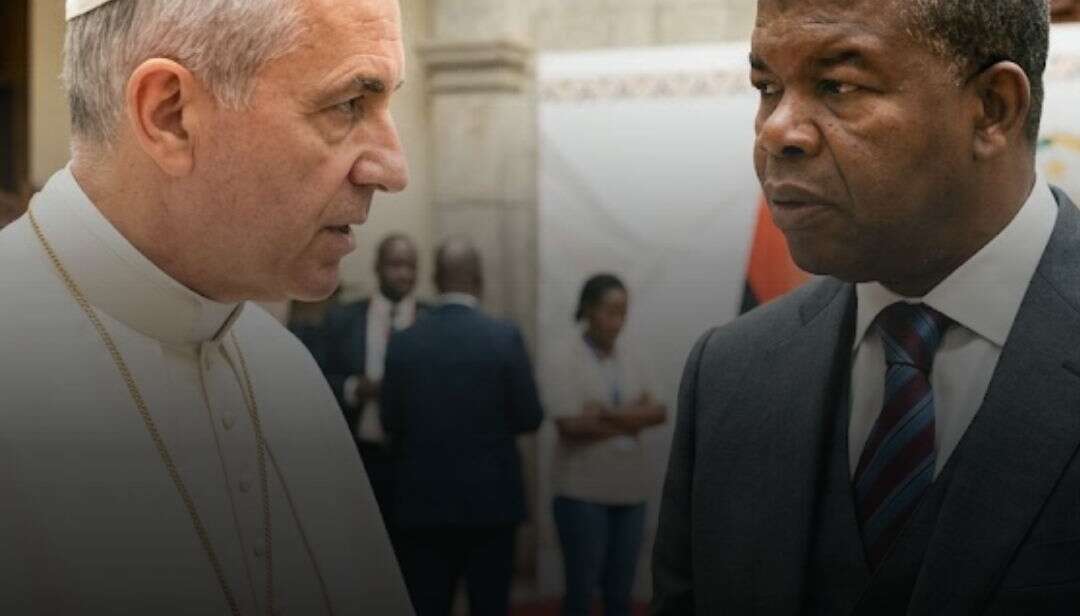
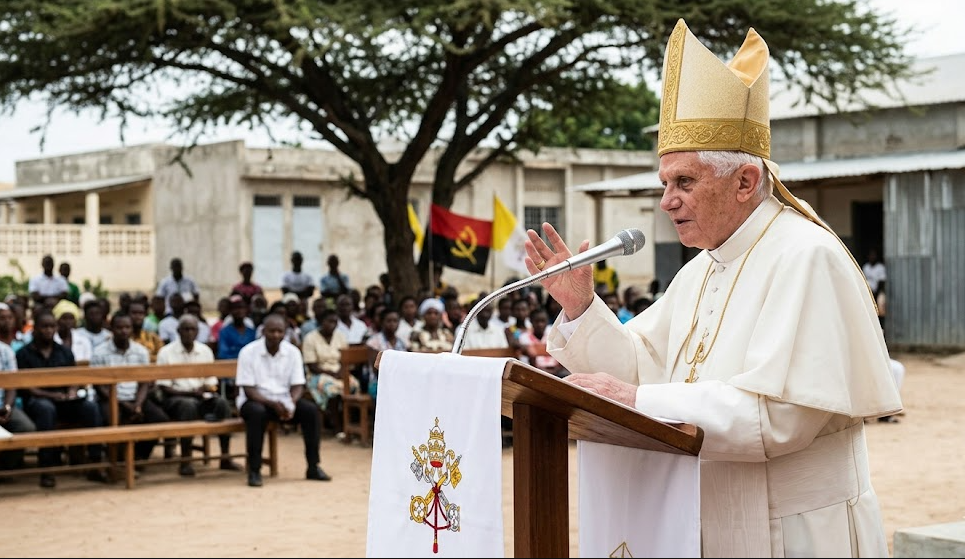
Pope Leo XIV celebrated Mass before an estimated 100,000 people in Kilamba, on the outskirts of Luanda, on Sunday, April 19 — day seven of an 11-day apostolic journey across Algeria, Cameroon, Angola, and Equatorial Guinea. The crowd that gathered was enormous, devotional, and expectant. What they heard was a pope willing to name the thing that development reports and diplomatic communiqués typically soften into abstraction.
“We can and want to build a country where the old divisions are overcome for good, where hatred and violence disappear, where the wound of corruption is healed by a new culture of justice and sharing,” Leo told the faithful in Portuguese — Angola’s official language, spoken with deliberate care.
It was not a homily delivered from a safe distance. It was spoken on Angolan soil, in front of Angolan people, with Angolan President João Lourenço in formal attendance.
The Country Behind the Words
Angola is one of Africa’s largest oil producers and among its most significant diamond exporters. Its reserves have generated sovereign wealth measured in tens of billions of dollars. And yet roughly one-third of Angola’s population lives below the World Bank poverty line. The country’s civil war, which lasted nearly three decades before ending in 2002, left behind what Leo described as “enmity and division, squandered resources and poverty” — wounds that have never fully closed.
In a separate meeting with Angolan government officials, Leo went further, speaking explicitly against the “suffering” and social and environmental “disasters” caused by the rampant exploitation of natural resources — the kind of diplomatic directness that typically generates careful footnotes in foreign ministry readouts but lands differently when delivered by the leader of 1.4 billion Catholics standing a few kilometers from one of Africa’s most oil-dependent capitals.
In Saurimo — Angola’s diamond mining heartland, in the northeast — Leo visited an elderly care home and prayed with residents who have lived through decades of displacement and resource extraction that enriched foreign companies and domestic elites while leaving communities scarred.
Earlier in the tour, he had visited a shrine in Angola that served as a historical center of the African slave trade — a deliberate act of memory in a nation still processing the weight of centuries of extraction, first of people and then of oil and diamonds.
The Voice Behind the Message
What gives Leo’s words in Angola their particular weight is the life that precedes them. The first American pope spent more than two decades as a missionary in Peru’s poorest northern regions, serving communities devastated by economic crisis and political violence. He did not arrive at the papacy through chancery politics alone — he arrived through direct encounter with poverty.
That biography informs his living arrangements at the Vatican, which themselves have become a quiet symbol. Pope Leo XIV shares his Vatican apartment in the Apostolic Palace — a renovated suite on the third floor overlooking St. Peter’s Square — with four of his closest collaborators: his personal secretary, Peruvian Msgr. Edgard Iván Rimaycuna Inga; Nigerian Augustinian priest Fr. Edward Daniang Daleng; former Swiss Guard lieutenant Anton Kappler; and former gendarme Piergiorgio Zanetti.
The decision to share the pope leo xiv Vatican apartment rather than occupy it alone was deliberate and symbolic — a communal model of papal life described by Vatican observers as “a sober penthouse” chosen over the grander isolation of his predecessors. Pope Francis had famously refused to move into the Apostolic Palace at all, staying in the Casa Santa Marta guesthouse. Leo returned to the palace — but made it communal.
The pattern is consistent: a pope who chooses to live alongside others is a pope whose credibility to speak about inequality is grounded in something more than doctrine.
“Exploited by Authoritarians, Defrauded by the Rich”
The Angola speech did not stand alone. Across the four-nation tour — the first African papal visit to Algeria, where Leo became the first pope ever to set foot in a country with only 8,000 Catholics; to Cameroon’s war-torn Anglophone region; and now to Angola and Equatorial Guinea — a single thread has run through every address.
“We can see today how the hope of many people is frustrated by violence, exploited by the powerful and defrauded by the rich,” Leo said, in language that reached beyond Angola to every nation where resource wealth accumulates at the top while populations wait at the bottom.
His messaging has woven together three distinct critiques on African soil: the political critique of “tyrants” delivered in Bamenda, Cameroon; the ecological and economic critique of resource exploitation delivered in Angola; and the interfaith critique of religious nationalism woven through his Algeria addresses. Together, they form something that reads less like a pastoral tour than a theological indictment of the political economy of the Global South.
History is watching — in part because the man delivering these words in four African countries is simultaneously fighting a public war of words with the President of the United States, who called him “terrible” and “weak.” On the plane to Angola, Leo was asked about the Trump feud directly. His answer was characteristically measured: “It is not in my interest at all to debate.”
He had already said what he came to say — in Kilamba, in Bamenda, in Luanda, in the slow, deliberate Portuguese of a pope who had spent his career learning that justice is not spoken in the abstract, but named, in specific places, to specific powers, by name.
Market Analysis
A quick snapshot of market trends, customer behavior, and competitor movements.