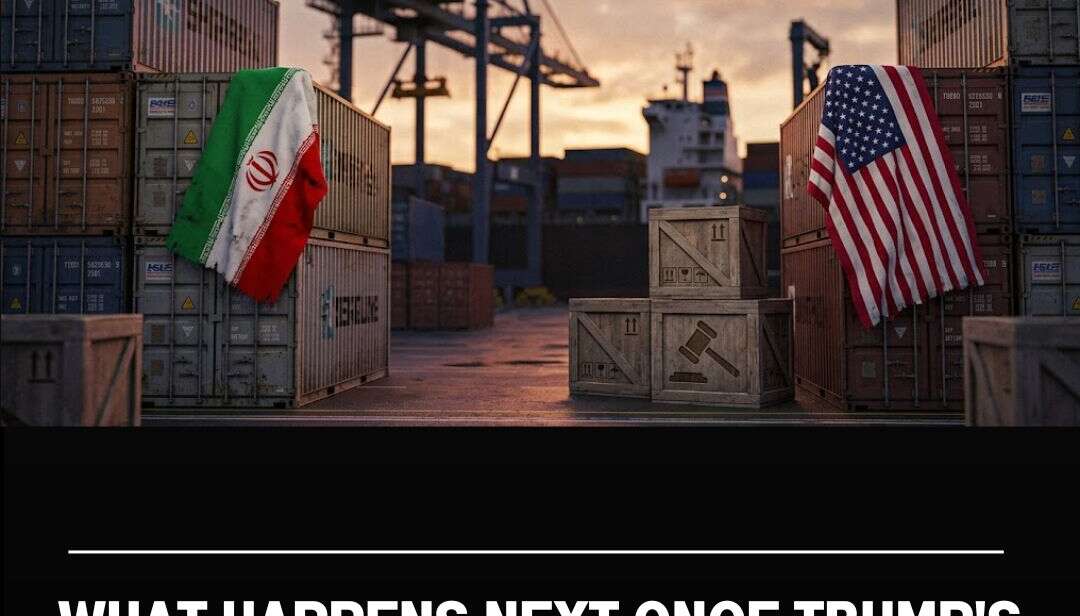
Washington / New York — A federal court has done what Congress would not: directly challenged the legal foundation of President Donald Trump’s sweeping 10% baseline tariff increase, ruling that the administration overstepped its statutory authority in imposing the levies without sufficient congressional authorization. The decision sent immediate shockwaves through financial markets, supply chain boardrooms,
Washington / New York — A federal court has done what Congress would not: directly challenged the legal foundation of President Donald Trump’s sweeping 10% baseline tariff increase, ruling that the administration overstepped its statutory authority in imposing the levies without sufficient congressional authorization. The decision sent immediate shockwaves through financial markets, supply chain boardrooms, and the corridors of the United States Trade Representative’s office — and opened one of the most consequential legal and economic questions of the Trump second term: what actually happens now?
The answer, lawyers, economists, and trade policy veterans say, is complicated, contested, and almost certainly headed for the Supreme Court.
What the Court Actually Ruled
The ruling, issued by the U.S. Court of International Trade, found that the Trump administration’s invocation of the International Emergency Economic Powers Act (IEEPA) as the legal basis for the 10% universal tariff exceeded the scope of powers Congress granted under that statute. The court determined that IEEPA was designed to address specific, targeted national emergencies — not to function as a blanket authority for a president to restructure the entire global trading architecture of the United States by executive action alone.
In plain terms: the judges found that Trump used an emergency law to do something that requires an act of Congress, and that the move was unconstitutional in scope.
The ruling does not touch tariffs imposed under Section 232 national security authority or Section 301 China-specific levies — those remain legally intact. But the 10% baseline applied to imports from most of the world? That is now in legal limbo.
The Immediate Market Reaction
Financial markets responded with the volatility that has come to characterize every major development in the ongoing global trade policy saga. U.S. equity futures swung sharply on the ruling, with import-dependent retail, consumer electronics, and automotive sectors initially surging on the prospect of lower input costs. The dollar weakened briefly against a basket of major currencies as traders recalibrated expectations for U.S. trade flows.
But the rally was tempered quickly by the recognition that the legal battle is far from over — and that the tariffs, for now, remain in effect pending the administration’s appeal.
“The market wants certainty more than it wants any particular tariff rate,” said one senior equity strategist at a major Wall Street firm. “What this ruling produces, in the short term, is the worst possible outcome: maximum uncertainty.”
The Administration’s Response
The White House moved swiftly to signal it has no intention of treating the ruling as a policy endpoint. Press Secretary Karoline Leavitt stated flatly that the administration “strongly disagrees with the court’s interpretation” and that the Department of Justice would seek an emergency stay of the ruling while pursuing an expedited appeal to the Federal Circuit Court of Appeals.
Trump himself, characteristically direct, told reporters the ruling was “a disaster for America” and “made by judges who don’t understand trade, don’t understand China, and don’t understand what we’re trying to do for this country.”
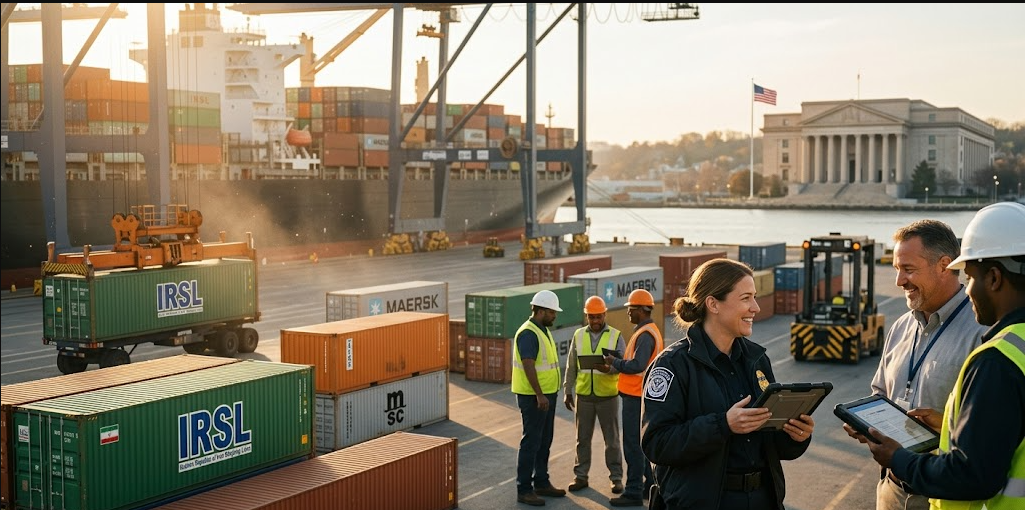
Commerce Secretary Howard Lutnick confirmed that U.S. Customs and Border Protection has been directed to continue collecting the 10% tariff pending the stay request — meaning importers will continue paying the levy even as its legal status is contested, with potential refund liability accumulating if courts ultimately strike the tariffs down permanently.
What Businesses and Importers Do Now
For American businesses that have spent the past year restructuring supply chains, renegotiating supplier contracts, and passing tariff costs to consumers, the ruling creates a deeply uncomfortable operational dilemma.
Do they continue absorbing tariff costs on the assumption that the administration’s appeal succeeds — which most trade attorneys consider the legally contested but politically likely outcome? Or do they begin planning for a tariff-free scenario that may never actually materialize?
Most large importers, advised by legal counsel tracking the appeal timeline, are expected to continue paying the tariffs under protest — filing for duty refunds where legally available — while maintaining their current supplier diversification strategies. Abandoning supply chain restructuring based on a ruling that may be reversed within months would be an expensive mistake.
Small and medium enterprises, with less legal infrastructure and thinner margins, face a starker choice and far less flexibility to hedge across multiple scenarios.
The Constitutional Stakes
Beyond the immediate economic turbulence, the court’s ruling raises a constitutional question of lasting significance: how much unilateral trade authority does a U.S. president actually possess?
The IEEPA has been used by presidents for decades to impose targeted sanctions and emergency economic measures. Trump’s invocation of it as authority for a universal, permanent baseline tariff representing a comprehensive restructuring of U.S. trade policy pushed the statute into territory courts had never previously evaluated.
Legal scholars are divided. Some argue the ruling correctly restores the constitutional principle that trade policy — enumerated in Article I of the Constitution — belongs primarily to Congress, and that executive emergency powers cannot be stretched indefinitely without legislative ratification. Others contend that the Federal Circuit and ultimately the Supreme Court, with its current conservative majority’s demonstrated preference for broad executive authority in national security-adjacent domains, may view IEEPA’s emergency powers more expansively.
“This is not over. Not even close,” said one former USTR general counsel. “The Supreme Court is the only institution that actually ends this argument.”
The Political Dimension
For Trump, the ruling arrives at a moment when his trade agenda is already navigating tensions with the Republican business community, which has grown increasingly vocal about tariff-driven cost pressures. A legal defeat that forces a partial rollback — or even the prolonged uncertainty of a multi-year court battle — complicates the political narrative of tariffs as a clean, decisive policy win.
The administration will frame the ruling as judicial overreach and use it to energise its base around themes of activist courts blocking a populist economic agenda. That framing has worked before — and may work again.
But for American businesses waiting for clarity on what they will pay at the border next quarter, the framing is cold comfort. What happens next, in courtrooms from Washington to the Supreme Court’s marble corridors, will determine the shape of U.S. trade policy for years beyond the Trump presidency itself.
Market Analysis
A quick snapshot of market trends, customer behavior, and competitor movements.