
Share This Article
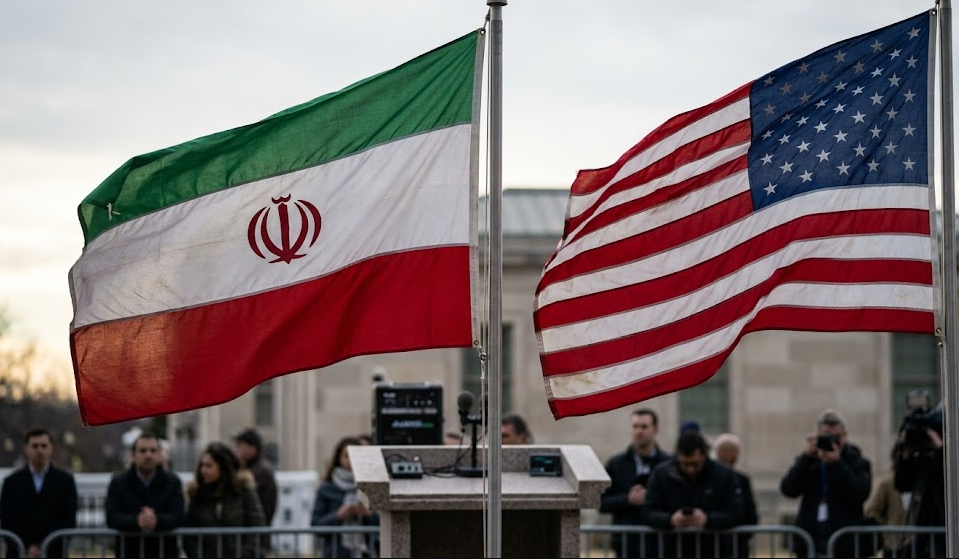
President Donald Trump rattled global energy markets and diplomatic circles on Friday, May 1, when he declared that the United States could be “better off” if no peace agreement is reached with Iran a stark signal that the administration is preparing for a prolonged confrontation, or possibly a return to full-scale combat.
“Frankly, maybe we’re better off not making a deal at all,” Trump told reporters outside the White House. “Because we can’t let this thing go on. Been going on too long.”
The remarks came as Iran Deal submitted a new ceasefire proposal brokered through Pakistani mediators in Islamabad that included offers to discuss its nuclear programme in exchange for US sanctions relief. Trump swiftly dismissed it. “They want to make a deal, but I’m not satisfied with it,” he said. “They’ve made strides, but I’m not sure if they ever get there.”
Trump Lays Out a Blunt Binary: Bomb or Bargain
The president offered a characteristically direct view of his remaining options, framing the choice in terms that few heads of state would voice publicly. Having been briefed by US Central Command chief Admiral Brad Cooper on a range of military scenarios including what Trump described as new options to “relaunch the war” the president told reporters his choices came down to two paths.
Here are Some Related Blogs to Read
- NATO chief calls US strikes on Iran “absolutely necessary”
- Will gold rally as US-Iran tensions escalate
- Oil jumped but the market stayed calm
- 5 takeaways from Tuesday’s 2026 primaries
- US tariff system reset across 60 economies
- Trump tariffs Section 122 surcharge expires
- Trump had deliberately paused Hormuz operations to force Iran into a deal.
- JD Vance claims Hegseth has been misleading Trump on the Iran war.
- Iran has been digging out hidden missile stockpiles after rejecting Trump’s peace offer.
“Do we want to go and just blast the hell out of them and finish them forever, or do we want to try and make a deal?” Trump said. “I would prefer not on a human basis, I would prefer not. But that’s the option.”
Trump also cited Iran’s fractured leadership as a complicating factor, noting that “there is tremendous discord” among Tehran’s senior officials. “They’re not getting along with each other,” he said. “In Iran, the leadership is very disjointed two to three groups, maybe four and it’s a very disjointed leadership. And it puts us in a bad position.”
Iran’s judiciary chief Gholamhossein Mohseni Ejei pushed back on Friday, insisting that Tehran had achieved dignity in the conflict and was open to talks but “absolutely not willing to abandon our principles and values.”
The 60-Day War Powers Clock Expires
Friday also marked a legally significant milestone: 60 days since the United States and Israel launched Operation Epic Fury against Iran on February 28, 2026 the point at which the War Powers Resolution of 1973 requires a president to either cease hostilities or seek formal congressional authorization.
Trump’s response was to notify Congress that the war had effectively ended. “There has been no exchange of fire between United States Forces and Iran since April 7, 2026. The hostilities that began on February 28, 2026, have terminated,” he wrote in letters to House Speaker Mike Johnson and Senate President Pro Tempore Chuck Grassley.
The legal claim drew immediate fire from lawmakers on both sides. Senate Democrats have tried six times to pass a war powers resolution to halt US military operations against Iran Deal without congressional approval, with the most recent vote on Thursday failing 47 to 50 though it marked the first time Sen. Susan Collins (R-Maine) voted for such a measure.
Collins put the administration on notice: “The Constitution gives Congress an essential role in decisions of war and peace, and the War Powers Act establishes a clear 60-day deadline. Further military action against Iran must have a clear mission, achievable goals, and a defined strategy for bringing the conflict to a close.”
Legal experts dismissed the White House’s “terminated” argument. Yale Law professor Harold Koh said it was “as if the president is trying to rewrite the War Powers Resolution and add a pause button.”
A Conflict With No Clear Exit
The backdrop to Trump’s remarks is a rapidly worsening global energy crisis. The Strait of Hormuz through which roughly 20% of the world’s oil and natural gas once flowed has been effectively closed since late February. Maritime intelligence firm Kpler reported Friday that supplies from the Gulf have fallen from approximately 20 million barrels a day before the conflict to close to one million barrels a day in April, as Iran’s IRGC continues to block, board, and attack merchant vessels.
Global oil prices hit a four-year high earlier this week on reports that Trump was being briefed on new strike plans against Iran Deal. On the same day, the US warned international shipping companies that they risked sanctions if they paid the tolls reportedly exceeding $1 million per vessel that Iran has demanded for passage through the strait.
A Washington Post/ABC News/Ipsos poll released Friday found that 61% of Americans now say it was a mistake for the US to use military force against Iran a figure that mirrors public opposition to the Iraq War at a similar stage of that conflict.
What Comes Next
The White House said Friday it is simultaneously preparing for an extended blockade if Iran fails to concede on nuclear demands, while the newly proposed “Maritime Freedom Construct” coalition continues to recruit international partners to restore freedom of navigation.
With peace talks deadlocked, Congress divided, a legally contested war powers clock ticking, and Trump openly musing about whether a deal is worth pursuing at all, the Iran crisis is entering its most uncertain and potentially most dangerous phase yet. As Trump put it: “We can’t let this thing go on.”

Oil & Energy Markets
A look at crude price swings, OPEC supply moves, and how energy markets react to geopolitical shocks.

Geopolitics & Conflict
Breaking down how wars, ceasefires, and diplomatic deals ripple through global trade and security.
US Foreign Policy
Coverage of Trump administration negotiations, sanctions, and strategic decisions shaping world events.
Economy & Inflation
Tracking how commodity prices, gas costs, and supply chains affect everyday consumers.