Israel-Lebanon Ceasefire: Trump Orders Netanyahu to Keep Lebanon Strikes ‘Surgical’
Theo Jorden
Share This Article
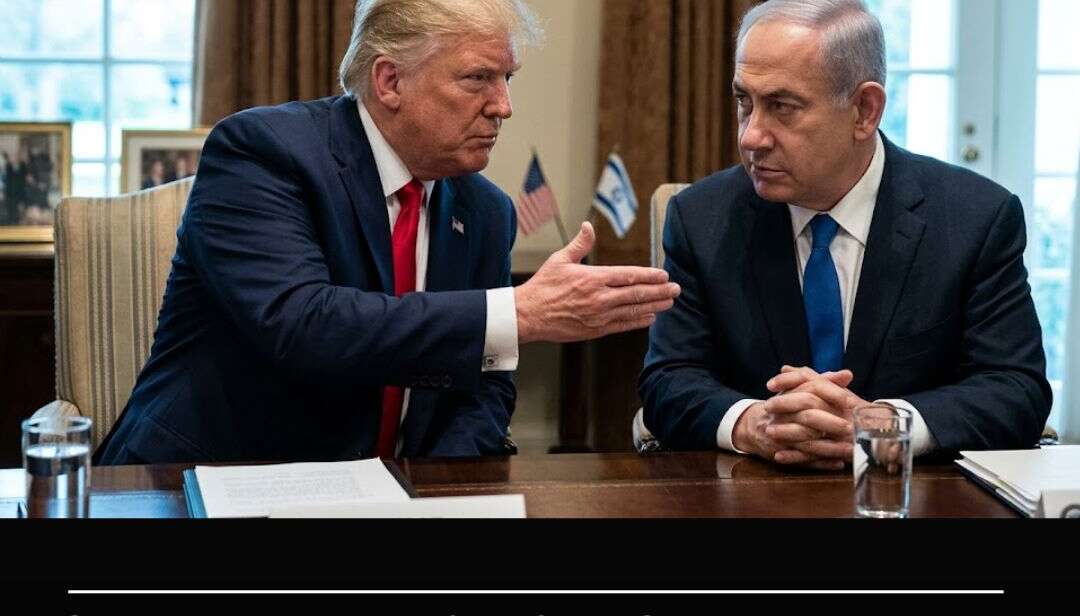
The Israel-Lebanon ceasefire that US President Donald Trump brokered in April 2026 is fraying at the edges and Trump is now directly telling Israeli Prime Minister Benjamin Netanyahu to rein in the scale of Israeli strikes on Lebanon before the fragile truce collapses entirely. In an interview with Axios published on April 29, 2026, Trump
The Israel-Lebanon ceasefire that US President Donald Trump brokered in April 2026 is fraying at the edges and Trump is now directly telling Israeli Prime Minister Benjamin Netanyahu to rein in the scale of Israeli strikes on Lebanon before the fragile truce collapses entirely.
In an interview with Axios published on April 29, 2026, Trump disclosed the contents of a private instruction he had delivered to Netanyahu, making his frustration plain: “I told Netanyahu he has got to do it more surgically. Not knock down buildings. He can’t do it. It is too terrible and makes Israel look bad.”
The statement is a rare public admission by Trump that he is actively constraining Israel’s military operations in Lebanon — and that the Lebanon ceasefire he helped construct is under serious strain.
How the Ceasefire Came Together and Started Falling Apart
The 2026 Israel-Lebanon ceasefire was announced on April 16, with the cessation of hostilities taking effect at 17:00 EST that same evening. Brokered by the United States following weeks of intensive fighting between Israeli forces and Hezbollah, the agreement established an initial 10-day truce and created a framework for peace negotiations marking the first direct diplomatic engagement between Israel and Lebanon in decades.
The US State Department described it as a “Ten Day Cessation of Hostilities to Enable Peace Negotiations.” Israeli troops were to halt offensive operations; Lebanon’s government committed to restoring state authority in the south. Hezbollah, notably, was not a formal signatory to the deal a structural weakness that would quickly become apparent.
On April 23, Trump announced a three-week extension of the Israel-Lebanon ceasefire, citing progress in talks and the need for additional time to reach a durable settlement. The extension was welcomed in Beirut and Washington. In Tel Aviv, the response was considerably more ambiguous.
Israeli Strikes Continue Despite the Truce
Almost from the moment the Lebanon-Israel ceasefire took effect, Israeli strikes on Lebanon continued. Israel declared a self-designated “Yellow Line” a strip of Lebanese territory approximately 10 kilometres deep along the border where it has continued operating, demolishing villages, and conducting what it describes as targeted counter-Hezbollah operations.
Israeli strikes have since expanded into eastern Lebanon, broadening the geographic scope of military activity during a ceasefire meant to end it. The human toll has mounted steadily. Lebanese authorities reported that Israeli attacks killed at least 28 people on April 30 alone including members of two families, two Lebanese army soldiers, and three paramedics. By May 1, Lebanese officials reported at least 15 more killed in continued Israeli strikes on Lebanon.
Lebanese President Joseph Aoun formally condemned the “continuing Israeli violations,” noting they persisted “despite the ceasefire, as do demolitions of homes and places of worship, while the number of killed and wounded rises day after day.” Prime Minister Nawaf Salam went further, calling the targeting of rescue workers “a new and described war crime perpetrated by Israel.” Israel has issued mass evacuation warnings across parts of southern Lebanon, uprooting thousands of civilians.
Netanyahu has made no secret of his position on the ceasefire’s limits. Shortly after the agreement was announced, he confirmed that Israeli troops would remain deployed in southern Lebanon rejecting the interpretation that the ceasefire required a withdrawal. He subsequently posted a video on social media showing building demolitions in Lebanon, a move Al Jazeera described as a potential deliberate “snub to Trump” at a moment when the US President was publicly calling for restraint.
Trump’s frustration preceded the April 29 interview. On April 17, Axios reported that Trump had shocked Netanyahu with a social media post declaring Lebanon strikes “prohibited” an unusually direct public rebuke that signalled Washington’s discomfort with the trajectory of Israeli strikes on Lebanon even in the ceasefire’s earliest hours.
Hezbollah: The Spoiler Without a Seat at the Table
A central challenge undermining the Lebanon-Israel ceasefire is Hezbollah’s structural exclusion from it. A US official directly acknowledged the problem: “Hezbollah is not a party to the ceasefire, and is trying to derail it,” with the group’s strategy characterised as one of provocation “attack, and then blame Israel in order to kill the negotiations.”
Hezbollah lawmaker Ali Fayyad dismissed the ceasefire extension as “meaningless,” stating it was rendered void by “Israel’s insistence on hostile acts, including assassinations, shelling, and gunfire.” For Hezbollah, continued Israeli strikes on Lebanon provide both a military pretext and a political narrative: that the Lebanon-Israel ceasefire was never real, and that resistance is the only credible response.
Trump’s Balancing Act
The “surgical” instruction to Netanyahu captures the central tension in Trump’s Lebanon policy. On one hand, Trump has given Israel significant military latitude throughout the broader Iran war backing Israeli operations, maintaining the Hormuz blockade, and standing firmly with Tel Aviv diplomatically. On the other hand, he brokered the Lebanon ceasefire personally, staked his dealmaker identity on it, and is watching it visibly erode.
Telling Netanyahu to be more surgical rather than demanding a halt to Israeli strikes in Lebanon is Trump’s attempt to thread that needle preserving Israel’s operational freedom while containing the reputational and diplomatic damage that comes from images of demolished Lebanese buildings and dead rescue workers.
Whether Netanyahu listens is another matter entirely.
Oil & Energy Markets
A look at crude price swings, OPEC supply moves, and how energy markets react to geopolitical shocks.