Share This Article
From a US naval blockade that NATO allies openly refused to join, to Chinese tankers transiting Hormuz in defiance, to the Pope, Canada and Hungary the Iran crisis is becoming a catalogue of Trump’s limits.
There is a theory of American power that Donald Trump has spent his entire second term road-testing: that the world ultimately bends to strength, that threats of overwhelming force produce compliance, and that the United States with its military, its dollar, and its market can make any adversary or ally fall into line. The Iran crisis is now functioning as the most comprehensive stress test that theory has ever faced and the results are not encouraging for the White House.
CNN’s political analysis put it plainly this week: “The Iran crisis epitomizes a world increasingly resistant to Trump’s demands.” What began as a military campaign against Iran’s nuclear infrastructure has become something broader and more revealing a portrait of a globe that has spent 15 months studying Trump’s playbook and is more prepared, more willing, and more structurally capable of resisting it.
NATO Said No
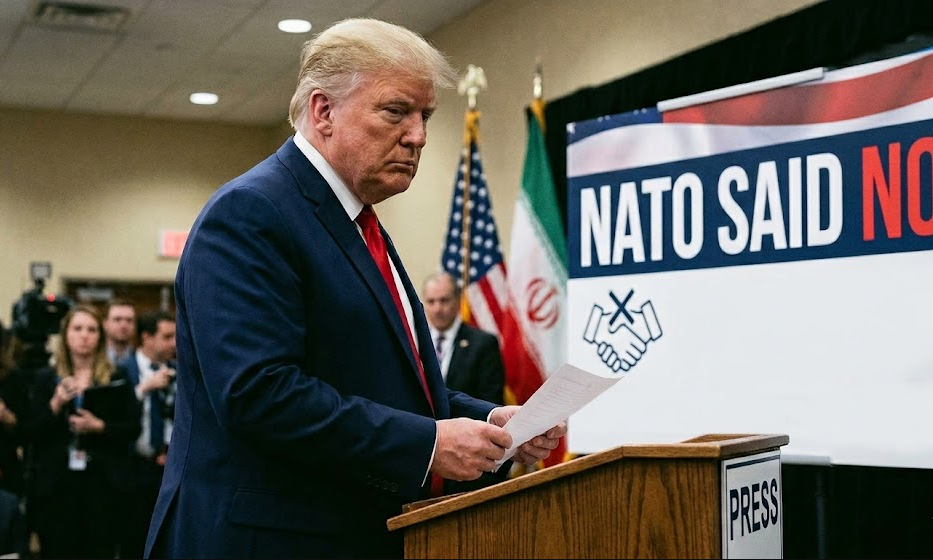
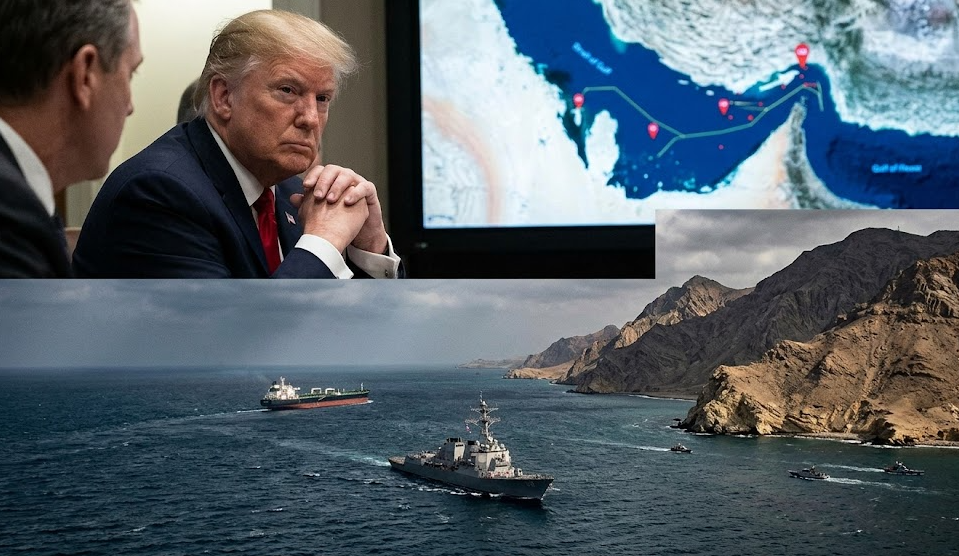
The most immediate and damaging instance of resistance came from within Trump’s own alliance. When the US naval blockade of Iranian ports took effect on Monday, Trump claimed that the United Kingdom and “a couple of other countries” were sending minesweepers to assist. Within hours, British Prime Minister Keir Starmer corrected the record publicly. “We are not supporting the blockade,” he said. UK naval assets in the region would continue existing operations but would not participate in intercepting Iranian shipping.
Starmer’s broader formulation was even starker: “This is not our war. We will not be drawn into the conflict.”
He was not alone. Italy, France, Greece, and other NATO members flatly declined to join a naval coalition. Spain went further than any other ally closing its airspace entirely to US military planes involved in the conflict. The Jerusalem Post and multiple European outlets confirmed the headline bluntly: NATO allies refuse to join Trump’s Strait of Hormuz blockade.
Trump has threatened to abandon NATO if allies don’t comply with American demands. The allies, apparently, have decided to test whether he means it.
China Defied the Blockade on Day One
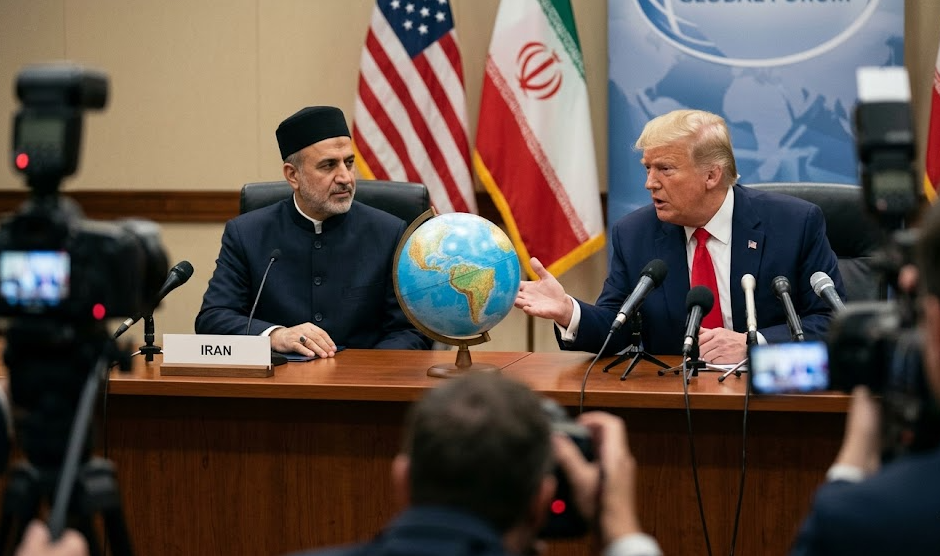
If the NATO refusal was diplomatic resistance, China’s was operational. On the first full day of the US blockade, sanctioned Chinese-owned tankers transited the Strait of Hormuz in direct violation of the American naval cordon. Shipping data confirmed Chinese vessels moving through the waterway the US Navy had declared closed. Beijing officially labeled the blockade “dangerous and irresponsible” its strongest diplomatic language since the conflict began.
Then Xi Jinping spoke, for the first time in any substantive way since the Iran war started. Meeting with Spanish Prime Minister Pedro Sanchez, Xi declared that the world must not be allowed to “revert to the law of the jungle” a phrase China deploys specifically to condemn American unilateralism and called on countries to jointly resist that trend. Bloomberg’s analysis captured the subtext: “The Hormuz Blockade Is as Much About China as Iran.”
Before the war, China was buying 95 percent of all Iranian crude. Beijing has no intention of surrendering that supply chain because Washington drew a line in the water. And without Chinese compliance, the blockade’s economic leverage against Tehran is structurally limited.
A Week of Defeats Beyond Iran
The Iran standoff has not occurred in isolation. The same week the blockade began, two other significant data points landed that compound the picture of a world reshaping itself around resistance to Trump’s model.
In Hungary, Trump’s most reliable European ally, Viktor Orbán was crushed in a landslide election. Trump and Vice President Vance had explicitly backed Orbán’s reelection campaign. The result was a 53-to-37 percent defeat, with Orbán’s replacement committed to rejoining the EU mainstream and abandoning the Kremlin-friendly posture that made Budapest so useful to both Washington’s nationalist wing and Moscow. Trump and Putin backed the same candidate. Both lost.
In Canada, Prime Minister Mark Carney secured a parliamentary majority through byelection wins and floor crossings, giving him a three-year mandate built explicitly on resisting Trump’s tariffs and annexation threats. Canadian patriotism historically the quietest force in North American politics has been galvanized by Trump’s hostility into a durable electoral coalition against him.
And from the Vatican, Pope Leo XIV the first American-born pope responded to Trump’s social media attacks with three words that cut through every diplomatic nicety: “I have no fear.”
The Structural Shift – What makes this moment different from earlier confrontations with Trump is not any single act of defiance it is the pattern. CNN’s analysis noted that “the iron laws that govern Trump’s presidency strength, force and power are increasingly being challenged at home and abroad.”
The world has had 15 months of Trump’s second term to prepare. Trade diversification away from US markets has accelerated. Alternative financial channels are being built. Countries that once absorbed US pressure in silence are calculating that the reputational and domestic political cost of compliance now exceeds the cost of resistance.
The Council on Foreign Relations warned this week that Trump’s Hormuz blockade has “a short fuse” not because the US military cannot enforce it, but because the political and economic sustainability of running a unilateral naval blockade while allied nations refuse to join, adversaries route around it, and global oil prices punish everyone including American consumers is fundamentally limited.
Iran’s nuclear program survived two decades of international diplomacy and five weeks of bombing. The global coalition Trump wanted behind his Iran policy did not materialize. The allies he expected to follow declined in public. The adversary he expected to collapse is still at the table on its own terms.
The world is not the world. It was the last time an American president tried to bend it to his will. The Iran crisis is making that unmistakably clear.

Oil & Energy Markets
A look at crude price swings, OPEC supply moves, and how energy markets react to geopolitical shocks.

Geopolitics & Conflict
Breaking down how wars, ceasefires, and diplomatic deals ripple through global trade and security.
US Foreign Policy
Coverage of Trump administration negotiations, sanctions, and strategic decisions shaping world events.
Economy & Inflation
Tracking how commodity prices, gas costs, and supply chains affect everyday consumers.