Europe & Geopolitics | April 14, 2026 For 16 years, Viktor Orbán ran Hungary like a personal fiefdom — blocking EU decisions, embracing Putin, and serving as Trump’s most reliable European ally. On election night 2026, Peter Magyar’s Tisza Party ended all of it. The consequences stretch from Brussels to Kyiv to Washington. BUDAPEST /
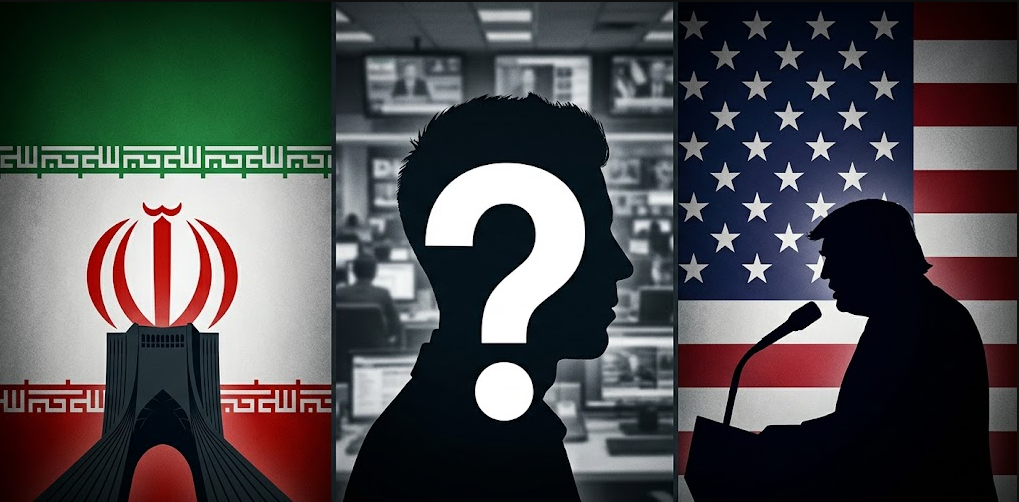
For 16 years, Viktor Orbán ran Hungary like a personal fiefdom — blocking EU decisions, embracing Putin, and serving as Trump’s most reliable European ally. On election night 2026, Peter Magyar’s Tisza Party ended all of it. The consequences stretch from Brussels to Kyiv to Washington.
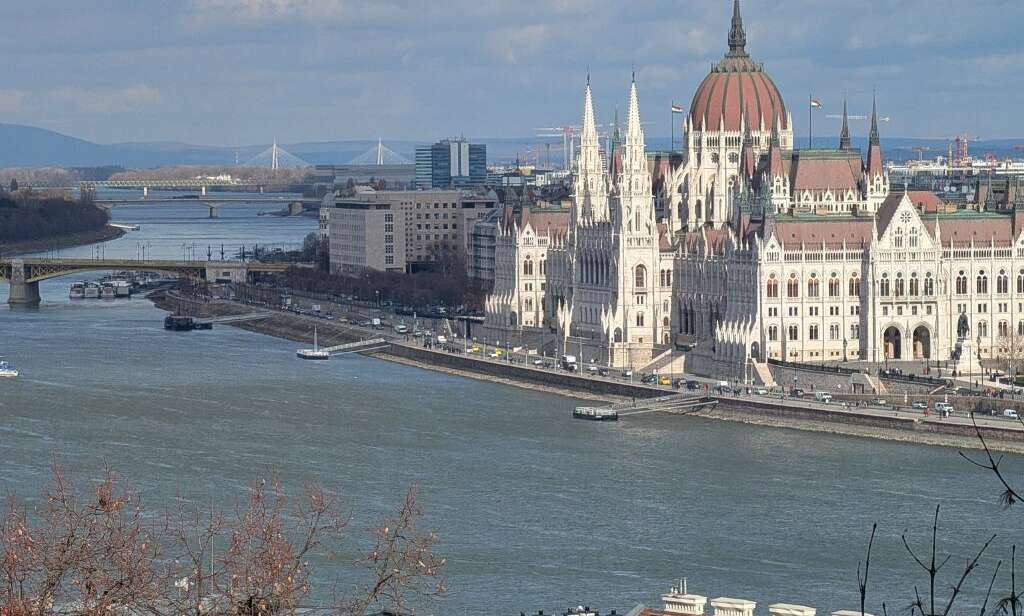
BUDAPEST / BRUSSELS — It was, by any measure, a political earthquake.
Peter Magyar’s Tisza Party delivered a landslide victory in Hungary’s parliamentary elections, ending Viktor Orbán’s 16-year grip on power — the longest uninterrupted rule of any leader in the European Union. Fidesz, the nationalist movement Orbán built into a governing machine that won four consecutive supermajorities since 2010, collapsed under the weight of economic frustration, democratic erosion, and Magyar’s insurgent campaign built on a single promise: return Hungary to Europe.
The result sent immediate shockwaves through Brussels, Kyiv, Washington — and Mar-a-Lago.
Who Is Peter Magyar?
Peter Magyar is not a career opposition politician. He is a former EU-connected insider who became Hungary’s most explosive political force after his ex-wife — former Justice Minister Judit Varga — resigned in early 2024 amid a presidential pardon scandal. Magyar turned personal betrayal into a political movement, releasing recordings that exposed the rot inside Fidesz, and channeling public outrage into his Tisza Party with a speed that stunned even veteran Hungarian political analysts.
His platform is straightforwardly pro-European: full re-engagement with EU institutions, unblocking frozen EU funds Hungary forfeited under Orbán’s rule-of-law disputes, active support for Ukraine, and repairing Hungary’s battered relationships within NATO. He has called Orbán’s “illiberal democracy” framework “a fraud dressed as sovereignty.” He is fluent in Brussels diplomatic language — and intentionally so.
His first act after victory: a call to European Commission President Ursula von der Leyen, followed immediately by a call to Ukrainian President Volodymyr Zelensky.
What Orbán’s 16 Years Actually Meant
To understand what has changed, you must understand what Orbán built — and weaponized.
Since returning to power in 2010, Orbán systematically dismantled judicial independence, captured the Hungarian media landscape, gerrymandered electoral maps, and declared himself the champion of “Christian civilization” against liberal European values. The EU launched Article 7 proceedings against Hungary, froze billions in cohesion funds, and condemned Hungary’s democratic backsliding repeatedly — and Orbán used every confrontation as domestic political fuel.
Internationally, he became something more significant than a domestic authoritarian: he became the keystone of the global populist-nationalist network. His Budapest office hosted Steve Bannon’s European far-right organizing operations. He maintained a gas dependency on Russia long after the Ukraine invasion made it politically toxic for every other EU leader. He flew to Moscow in July 2024 on a self-declared “peace mission” — without EU mandate, without NATO coordination — and met Vladimir Putin personally while the war raged.
And through it all, he had one patron in Washington who called him “fantastic,” a “strong leader,” and “one of the most respected men in the world”: Donald Trump.
What Trump Loses Tonight
The Orbán-Trump relationship was not merely symbolic. It was structural.
Orbán gave Trump’s foreign policy worldview a laboratory in which to operate inside the EU. He demonstrated that an elected leader could hollow out democratic institutions while maintaining formal EU membership. He vetoed EU military and financial aid packages for Ukraine, forcing unanimous-consent workarounds that delayed critical support. He blocked Sweden’s NATO accession for nearly two years. He protected Russian energy interests inside EU deliberations at a moment when Europe was attempting to weaponize energy as leverage against Moscow.
Every one of those functions disappears with Magyar in power.
Von der Leyen’s office issued a statement within hours of the result: “Hungary’s return to the European family of democracies is a historic moment for our Union.” French President Emmanuel Macron called Magyar directly before final results were certified. NATO Secretary General Mark Rutte issued a statement welcoming “Hungary’s renewed commitment to alliance solidarity.”
In Kyiv, the reaction was immediate and emotional. Zelensky posted: “Ukraine has a new friend in Budapest. Europe is stronger tonight.”
In Washington, Trump has not yet posted.
The Far-Right Domino Question
Orbán’s defeat arrives at a specific moment in the global far-right timeline — and its symbolism is impossible to ignore.
The network of illiberal nationalist leaders that Trump, Bannon, and Orbán spent a decade building is under simultaneous pressure across multiple capitals. Orbán — who hosted the inaugural Conservative Political Action Conference (CPAC) in Budapest in 2022 and declared Hungary the model for Western conservatives — is now out of office. The flagship of the movement has docked.
The question analysts are already asking: is this a one-off protest vote against a specific leader’s specific failures — or the beginning of a broader European correction against the far-right wave that has defined the continent’s politics since 2015?
What Changes Immediately – The practical consequences for EU and NATO decision-making are significant and fast-moving.
Ukraine: Hungary’s veto on EU military assistance packages and Ukrainian EU membership discussions evaporates. Magyar has explicitly committed to unblocking both. Kyiv could receive new EU support frameworks within weeks.
EU funds: Approximately €20 billion in frozen EU cohesion funds that Hungary forfeited under Orbán’s rule-of-law confrontations with Brussels becomes renegotiable. Magyar’s government will prioritize their recovery.
NATO: Hungary’s pattern of complicating alliance consensus — on burden-sharing, on Ukraine, on collective defense commitments — ends. Magyar has pledged full alliance solidarity.
Russia: Orbán’s gas contracts and diplomatic protection of Russian energy interests inside EU councils lose their sponsor. The last significant pro-Moscow voice in a major EU institution goes silent.
Orbán’s Final Statement
Conceding in Budapest, Orbán delivered a characteristically defiant farewell: “They voted for a different path. History will decide which path was right. We built something real. They will discover, soon enough, what it means to dismantle it.”
He did not congratulate Magyar. He did not mention the EU. He did not mention Trump.
For a man who spent 16 years at the center of global politics, it was a remarkably small exit.
Market Analysis
A quick snapshot of market trends, customer behavior, and competitor movements.