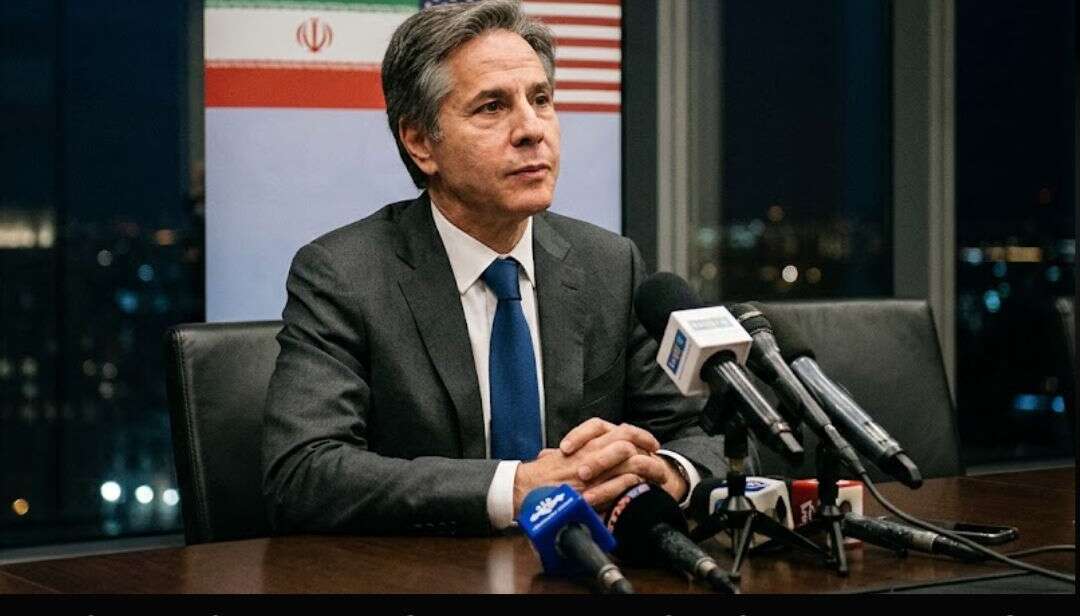
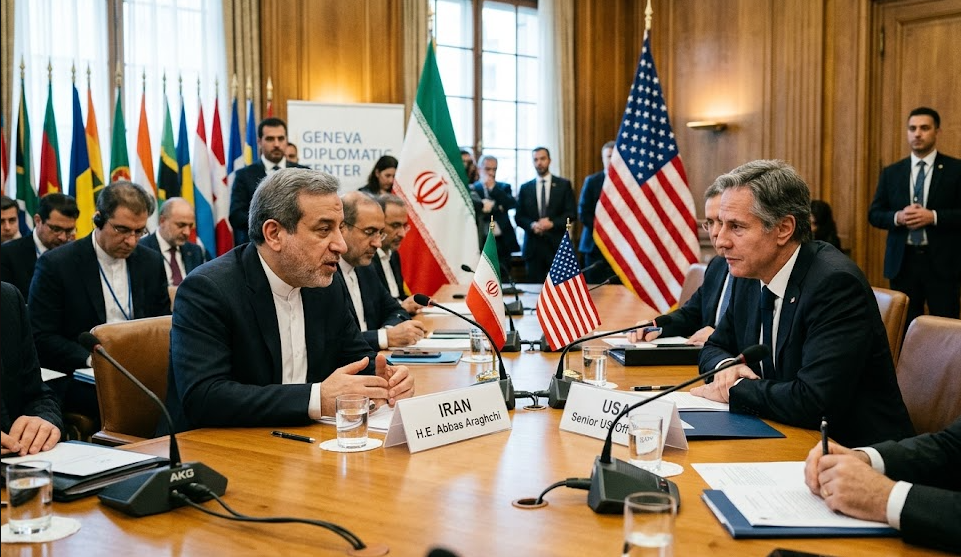
Iranian Foreign Minister Abbas Araghchi declared on May 1 that Tehran remains willing to pursue a diplomatic resolution to the ongoing US-Iran war but only if Washington abandons what he described as its “excessive demands, threatening rhetoric, and provocative actions.” The statement, delivered in a flurry of phone calls with regional counterparts, marks one of
Iranian Foreign Minister Abbas Araghchi declared on May 1 that Tehran remains willing to pursue a diplomatic resolution to the ongoing US-Iran war but only if Washington abandons what he described as its “excessive demands, threatening rhetoric, and provocative actions.” The statement, delivered in a flurry of phone calls with regional counterparts, marks one of the most direct conditional overtures from Tehran since a fragile ceasefire took hold on April 7.
The comments came hours after Iran delivered a new proposal to Washington through Pakistani mediators — only for President Donald Trump to tell reporters he was “not satisfied” with what was on offer. “We have just had a conversation with Iran,” Trump said. “I am not happy.”
Araghchi’s Diplomatic Blitz
In a single day of intensive outreach, Araghchi contacted the foreign ministers of six countries — Turkey, Egypt, Qatar, Saudi Arabia, Iraq, and Azerbaijan — briefing them on Iran’s “latest positions and initiatives” to end the conflict. He also held a separate call with EU foreign policy chief Kaja Kallas, who discussed diplomatic efforts to reopen the Strait of Hormuz and long-term regional security arrangements.
According to Tehran’s official readout, Araghchi stressed that Iran “did not initiate this imposed war,” and that its armed forces remain “fully alert and ready to comprehensively and decisively defend the Iranian nation against any threat.” The dual message — conditional openness to talks, paired with a show of military resolve — reflects a carefully calibrated strategy designed to project both strength and willingness to negotiate.
The diplomatic push is part of a broader regional tour. In recent days, Araghchi has visited Islamabad, Muscat, and Moscow, where he met Russian President Vladimir Putin, who expressed strong backing for Iran and underscored the two countries’ strategic alignment. Russia has also offered to take custody of Iran’s enriched uranium — a potentially significant piece in any future nuclear settlement.
The Stalled Peace Track
The backdrop to Araghchi’s latest statement is a deeply fractured peace process. A ceasefire has been in place since April 7, brokered with help from Pakistan and reportedly involving Chinese mediation, yet no framework for a lasting deal has emerged. Talks held in Islamabad in mid-April — involving US envoys Jared Kushner and Steve Witkoff alongside Araghchi — lasted over 21 hours but ended without even a basic agreement on structure for further discussions.
A second round of direct talks last week collapsed before it began. Trump had directed envoys to travel to Pakistan, only to cancel the trip at the last minute, saying it was not worth flying across the world “to sit around talking about nothing.” Araghchi, who had returned to Islamabad in anticipation of the meeting, subsequently submitted Iran’s amended settlement terms through Pakistani intermediaries.
Iran’s current proposal reportedly calls for a simultaneous lifting of both blockades — Iran’s chokehold on the Strait of Hormuz and the US naval blockade of Iranian ports — while deferring nuclear negotiations to a later, separate track. Trump has so far rejected this sequencing, insisting on nuclear commitments before any concessions on the blockade.
What Iran Wants — and What Washington Demands
The gap between the two sides reflects fundamentally different readings of leverage. Tehran believes surging global oil prices — which have hit their highest levels in four years — and the threat of prolonged energy supply shocks are generating sufficient political pressure on Trump to soften US demands. Iranian leaders, drawing on their resistance ideology, appear to be calculating that they can outlast Washington’s economic pressure longer than the White House expects.
Trump, by contrast, has framed the US naval blockade of Iranian ports — in place since April 13 — as a “genius” and “100% foolproof” strategy to force capitulation on nuclear terms. He has repeatedly threatened to bomb Iranian infrastructure and has told aides to plan for an extended standoff.
The divergence is sharpening the humanitarian and economic toll. A 61% majority of Americans, according to a Washington Post/ABC/Ipsos poll released this week, now say it was a mistake for the US to use military force against Iran. Meanwhile, at least 3,375 people have been killed in Iran since the war began on February 28, with thousands more casualties across Lebanon, Israel, and Gulf Arab states.
The Diplomatic Context: Regional and International Pressure
The international community is watching the impasse with mounting alarm. The UN Security Council’s attempt to compel Iran to reopen the Strait of Hormuz was vetoed by China and Russia in April. The UK and France have now convened two ministerial conferences on Hormuz, with 38 countries signing a joint statement condemning attacks on commercial shipping. The US, separately, has launched its own “Maritime Freedom Construct” initiative to build an international coalition for restoring navigation.
Analysts across Washington’s top think tanks warn that neither side can achieve a clean victory. Iran has shown it can sustain its grip on the strait at an “acceptable cost,” while the US faces mounting political and economic pressure to deliver results.
For now, the world waits — with Araghchi’s phone lines open, Trump publicly dissatisfied, and the Strait of Hormuz still largely closed to the global energy trade.
Market Analysis
A quick snapshot of market trends, customer behavior, and competitor movements.