Share This Article
The world’s most critical oil chokepoint may never return to normal and Wall Street’s biggest bank says Iran knows exactly what it’s doing.
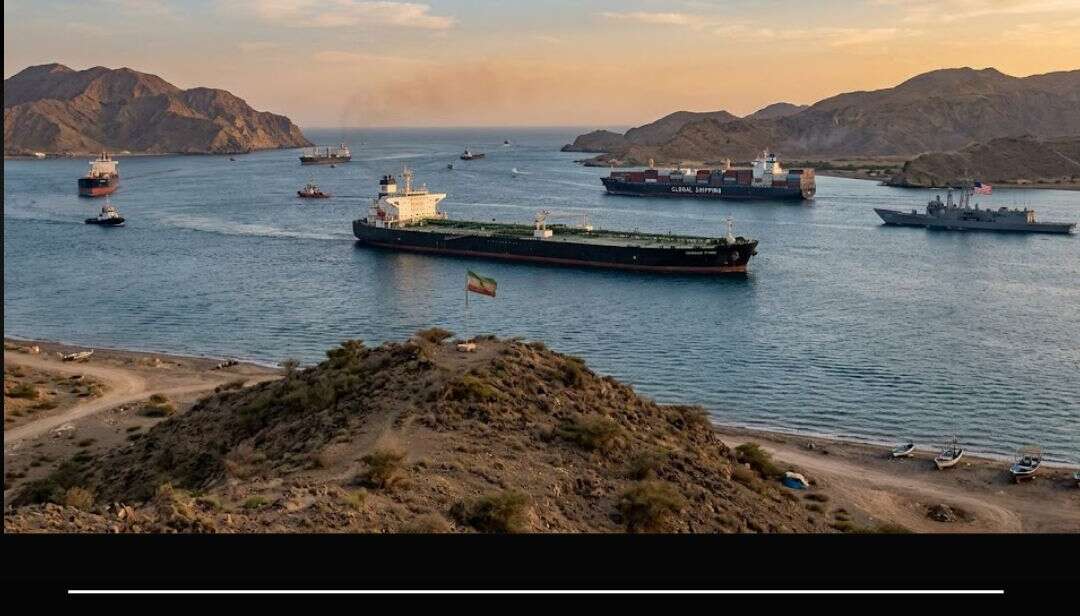
The Strait of Hormuz strait news has dominated global energy markets for months, and Wall Street’s most influential bank is now offering its starkest forecast yet: the waterway that carries roughly one-fifth of the world’s oil and liquefied natural gas may never be fully reopened at least not on the terms the West expects.
How the Crisis Began
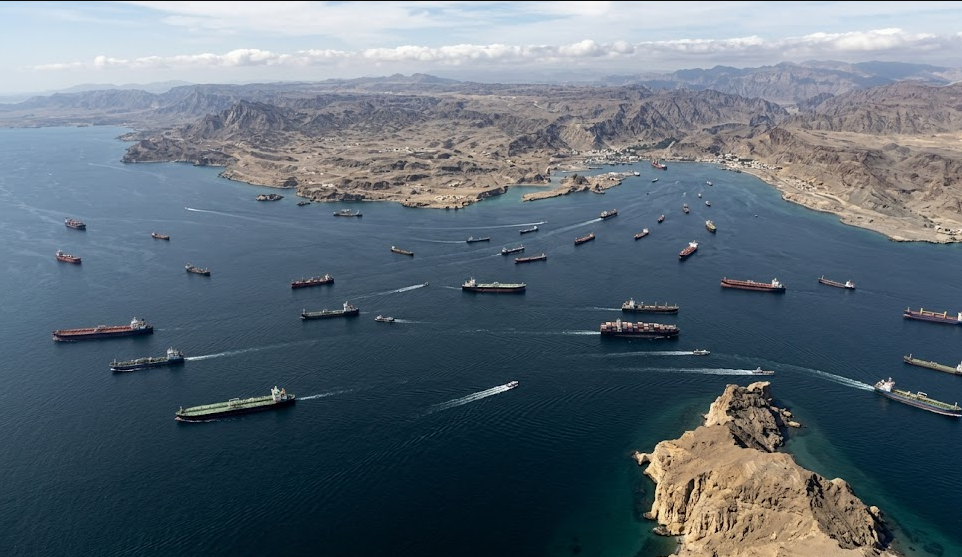
Shipping traffic through the Strait of Hormuz, a major maritime chokepoint for world energy trade, has been largely blocked by Iran since 28 February 2026, when the United States and Israel launched an air war against Iran and assassinated its supreme leader Ali Khamenei. In retaliation, Iran launched missile and drone attacks on Israel, US military bases, and US-allied Gulf states. The Iranian Revolutionary Guard (IRGC) issued warnings forbidding passage through the strait, boarded and attacked merchant ships, and laid sea mines in the waterway.
The International Energy Agency described the fallout as the “largest supply disruption in the history of the global oil market,” echoing the severity of the 1970s oil crises.
Goldman Sachs’s Warning: Iran Won’t Let Go
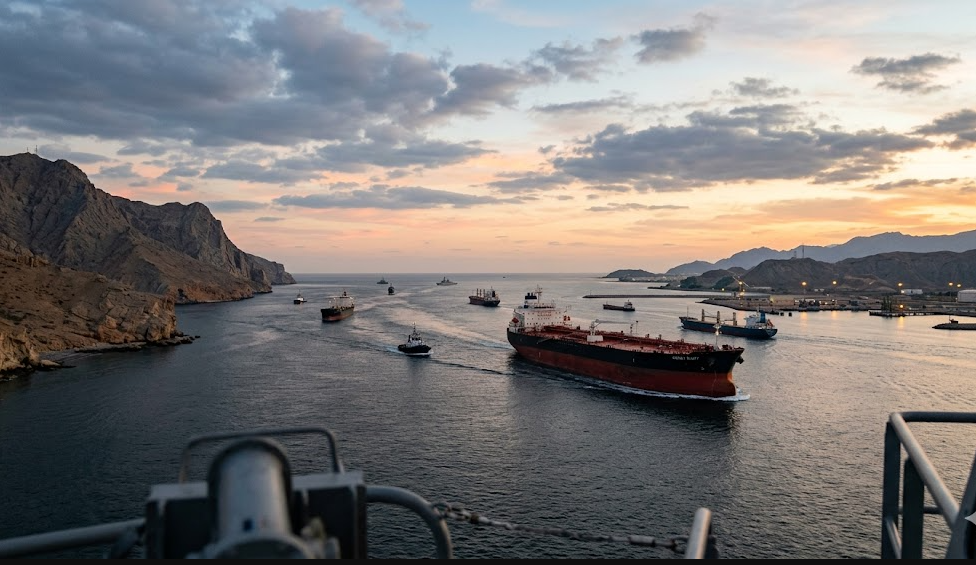
Unless Iran’s regime collapses, the Strait of Hormuz will never be open like it was before the war, according to Jared Cohen, co-head of the Goldman Sachs Global Institute and the bank’s president of global affairs. Speaking on CNBC, Cohen explained that Tehran has discovered a level of leverage over the global economy it will not willingly surrender.
“You may have traffic flowing through, but the Iranians will likely maintain partial or unilateral control,” Cohen predicted. For now, both sides are observing a “sloppy ceasefire” where they refrain from launching ballistic missiles and drones at each other but small fast-attack boats from the Islamic Revolutionary Guard Corps continue firing on commercial ships, keeping the strait effectively closed and energy markets in crisis.
Cohen described the standoff as “a game of geopolitical chicken between the United States and the Iranians over who’s going to swerve first.”
The Strait of Hormuz in Numbers
Here are Some Related Blogs to Read
- NATO chief calls US strikes on Iran “absolutely necessary”
- Will gold rally as US-Iran tensions escalate
- Oil jumped but the market stayed calm
- 5 takeaways from Tuesday’s 2026 primaries
- US tariff system reset across 60 economies
- Trump tariffs Section 122 surcharge expires
- Trump had deliberately paused Hormuz operations to force Iran into a deal.
- JD Vance claims Hegseth has been misleading Trump on the Iran war.
- Iran has been digging out hidden missile stockpiles after rejecting Trump’s peace offer.
The scale of what is at stake is staggering. The Strait of Hormuz is crucial for nearly 20 million barrels per day of global oil production. Saudi Arabia, Iraq, and the United Arab Emirates together exported 13.1 million barrels per day of oil via the strait last year, with China as the main destination. The International Energy Agency estimates that 4.2 million barrels per day of the oil flows through the strait can be redirected using existing spare pipeline capacities implying around 16 million barrels per day of oil flows are at risk from a full closure.
The most critical impact to global gas markets would come from a disruption of approximately 80 million tons per annum of LNG 19% of global LNG supply that typically flows through the Strait of Hormuz.
What Oil Prices Could Do
Goldman Sachs’s oil price projections have been revised sharply upward. Goldman Sachs lifted its oil price forecasts as the prolonged closure of the strait spurred what it called “extreme” inventory draws. Brent is now set to average $90 a barrel in the fourth quarte nearly $30 higher than before the Hormuz shock, analysts including Daan Struyven and Yulia Zhestkova Grigsby said.
In a scenario where the Strait of Hormuz remains essentially closed for another month, Brent Crude prices could average more than $100 per barrel for the second half of 2026. If the severely limited traffic continues beyond that, Brent could average $120 per barrel in the third quarter and $115 in the final quarter of the year.
The impact is already being felt at the pump. A gallon of gasoline cost an average of $4.10 up about 27% since the start of the war. Brent crude, the international benchmark, rose to $107.58 per barrel after Iran warned the strait will “under no circumstances” return to its previous state.
Iran Closing Strait of Hormuz: A Calculated Power Play
Iranian officials have been explicit about their strategy. “We realized if we place our foot on the throat of the Strait of Hormuz and Bab al-Mandab, 25% of the world’s economy would be affected,” said Iran’s Deputy Parliament Speaker Ali Nikzad.
Ceasefire agreements have proven fragile. On 17 April, Iran’s foreign minister announced the strait was open to all shipping traffic for the duration of a ceasefire in Lebanon and oil prices dropped 11% immediately. But commercial traffic is unlikely to return to pre-war levels immediately, and President Trump simultaneously announced the US naval blockade would remain until negotiations conclude.
The result is what analysts now call a “dual blockade”: Iran restricting inbound traffic from one side, the US Navy blockading Iranian ports from the other.
Gulf States Rush to Find Alternative Routes
Gulf states are already scrambling to reduce their vulnerability. Saudi Arabia has diverted much of its oil exports to the Red Sea via the East-West Pipeline. The United Arab Emirates also has pipelines that can send oil to Fujairah on the Gulf of Oman, bypassing the Strait entirely. Over the next two and a half to three years, the UAE is looking to reduce its Hormuz exposure from 50% of its oil exports to zero potentially downgrading the narrow waterway to a “commercial afterthought.”
The Bottom Line
The latest Strait of Hormuz news paints a picture of a world permanently reconfigured by a chokepoint that was once taken for granted. Goldman Sachs’s assessment is clear: even in a best-case scenario of a negotiated settlement, Iran’s closing of the Strait of Hormuz has permanently altered the calculus of global energy security. The waterway may reopen but the world that relied on it unconditionally is already gone.

Oil & Energy Markets
A look at crude price swings, OPEC supply moves, and how energy markets react to geopolitical shocks.

Geopolitics & Conflict
Breaking down how wars, ceasefires, and diplomatic deals ripple through global trade and security.
US Foreign Policy
Coverage of Trump administration negotiations, sanctions, and strategic decisions shaping world events.
Economy & Inflation
Tracking how commodity prices, gas costs, and supply chains affect everyday consumers.