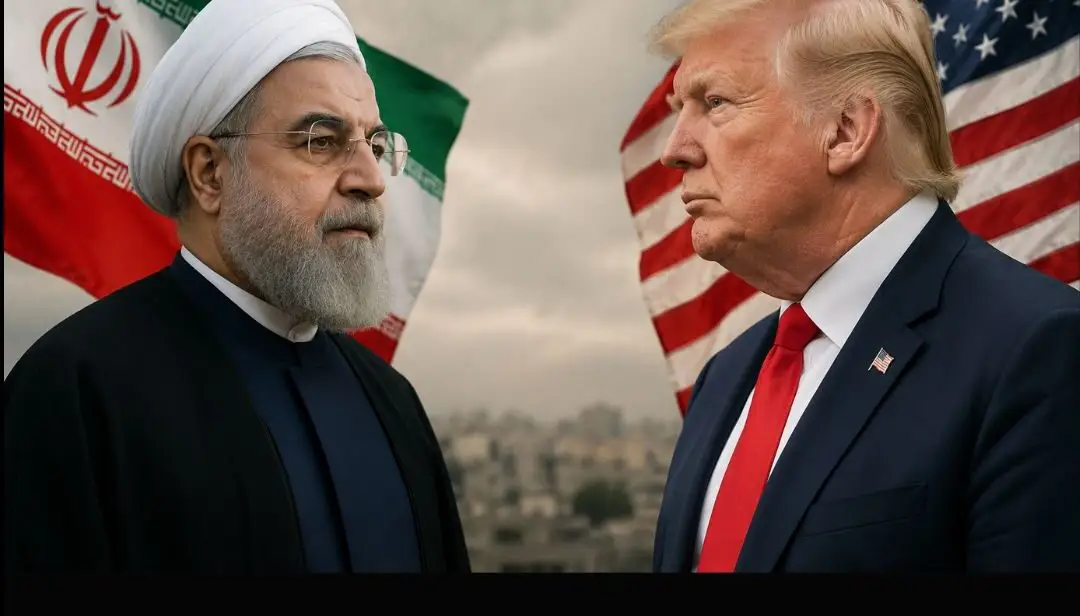
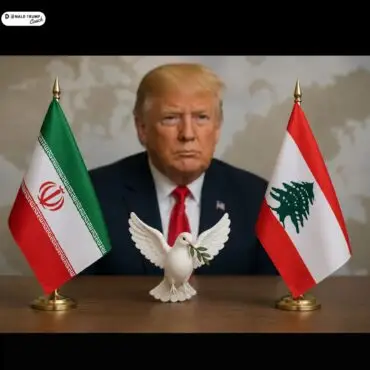
A fragile calm has settled over Lebanon’s southern border, even as the broader diplomatic effort to end the wider regional war shows signs of strain. The Israel-Hezbollah ceasefire renewed this week after a tense flare-up nearly derailed it, while preparatory US-Iran talks meant to finalize a permanent settlement over the Strait of Hormuz have been pushed back without a new date.
The dual-track situation underscores just how interconnected and fragile the peace architecture across the Middle East has become since the war began on February 28, 2026.
What Happened in Lebanon
The latest jolt came when renewed fighting broke out between Israel and the Iran-backed militant group Hezbollah, threatening to unravel the truce that has governed the Lebanon front for weeks. According to CNN’s live coverage, the flare-up came at a delicate moment just as Iranian and U.S. negotiators were preparing for a fresh round of talks in Switzerland on the broader Strait of Hormuz agreement.
Tehran reportedly pulled out of those scheduled Switzerland talks in direct response to the Lebanon escalation, illustrating how tightly the Hezbollah ceasefire and the US-Iran negotiating track have become entangled. A senior official told Reuters that the United States, Qatar, and Iran ultimately helped broker a renewed truce between Israel and Hezbollah, allowing the ceasefire to hold for now.
This is not the first time the Lebanon front has nearly capsized wider diplomacy. The current truce traces back to a ceasefire that took effect on April 16, 2026, which was extended three weeks later and then again for 45 days in mid-May. On June 1, Israel and Hezbollah separately agreed to a more specific arrangement, Israel committing not to target Beirut’s southern suburbs, Hezbollah vowing not to strike Israeli territory, under a U.S.-brokered framework intended to extend calm across all of Lebanon.
That framework has been tested repeatedly. Earlier in June, Israel’s bombing of Beirut’s southern suburbs nearly collapsed the broader US-Iran negotiations entirely, according to PBS News reporting, illustrating how a single strike in Lebanon can ripple all the way to the negotiating table over the Strait of Hormuz.
Where the US-Iran Talks Stand
The Strait of Hormuz — the narrow, 24-mile-wide waterway through which roughly a fifth of the world’s oil trade normally flows — has been at the center of the US-Iran war’s economic fallout since Iran moved to seal it off in early March. After months of blockades, deadlines, and failed proposals, Washington and Tehran finally signed a memorandum of understanding on June 17 at a ceremony at the Palace of Versailles in France, following the G7 summit. The deal authorized the reopening of the strait and launched a 60-day window for broader talks on Iran’s nuclear program.
The early results were promising. By Thursday, marine intelligence firm AXSMarine recorded the highest number of vessel transits through Hormuz since April, with at least 10 commercial ships crossing the strait that morning alone. Marine Traffic data showed 12 vessels including five tankers and seven cargo ships crossing the following day. Still, that recovery remains far below the roughly 110 vessels per day that transited the strait before the war.
But momentum has since cooled. The planned follow-up talks in Switzerland between the U.S., Iran, Qatar, and Pakistan meant to build on the Versailles memorandum and address the harder, unresolved issues were postponed. The Swiss foreign ministry confirmed the delay, stating it “remains ready to facilitate these talks” once a new date is set, while preparatory work continues at Burgenstock.
Complicating matters further, Israel’s military reported intense fighting in southern Lebanon that killed four soldiers, even as Israeli airstrikes were said to have killed at least 16 people in the country’s south overnight a reminder that Lebanon’s frontline remains combustible even amid active negotiations elsewhere.
Why the Two Fronts Are Linked
Analysts have long warned that any resolution to the US-Iran war was unlikely to hold without parallel calm in Lebanon, given Hezbollah’s role as a key Iranian proxy. Defense Minister Israel Katz has said Israel intends to remain “indefinitely” in territory it holds in Lebanon, Syria, and Gaza a stance that complicates Beirut’s ability to guarantee a lasting truce.
Beijing, notably, welcomed the Versailles memorandum. China’s Foreign Ministry spokesperson Lin Jian called the agreement on the Strait of Hormuz a significant step toward easing tensions, according to Radio Free Europe/Radio Liberty reporting a notable response given China’s heavy reliance on the waterway for oil and LNG imports.
What Comes Next
For now, the Israel-Hezbollah ceasefire is holding, even if precariously. The bigger test will come as Iranian and U.S. negotiators try to reschedule the postponed Switzerland talks and move into the substantive 60-day negotiating window outlined in the Versailles agreement covering Iran’s nuclear program, sanctions relief, and the long-term security arrangement for the Strait of Hormuz.
Energy analysts caution that even with the memorandum signed, it will likely take months before shipping companies and energy markets fully normalize operations through the strait. Until then, every flare-up in Lebanon carries the risk of pulling the broader US-Iran diplomatic track back into crisis a dynamic that has now repeated itself several times since the war began.