Share This Article
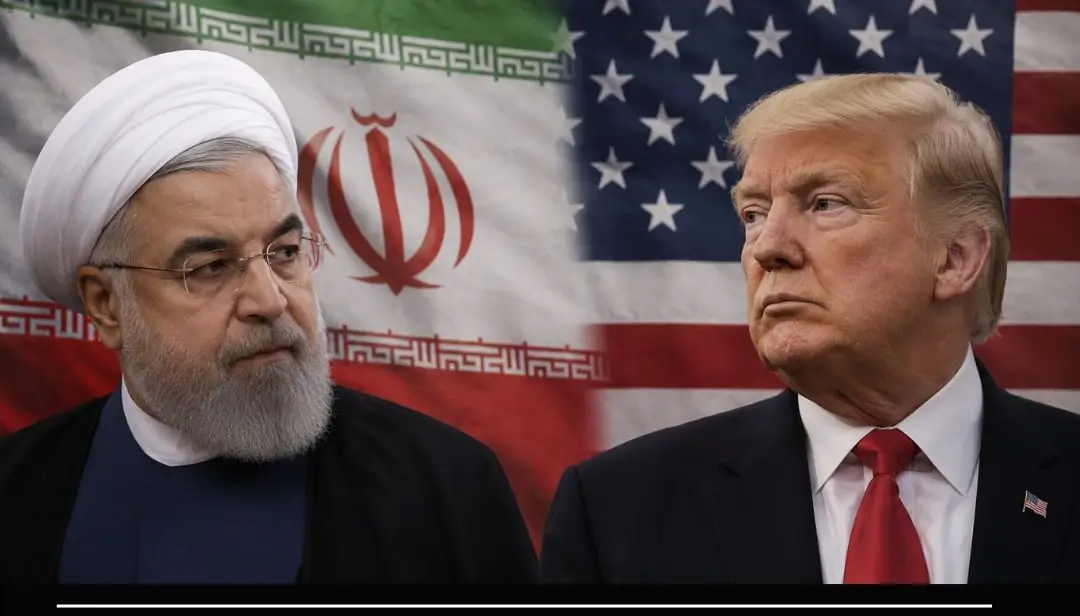
Senior Trump administration officials now believe a deal to end the US-Iran war is days away not weeks. But after three months of conflict, a blockaded Strait of Hormuz, and a ceasefire that has held by a thread, the final stretch of the US-Iran talks is proving to be the most treacherous. The broad principles are agreed. The hardest words who gets what, and in what order are not.
“Some words we care about. Some words they care about,” one US official told Axios, capturing in a single sentence the distance that still separates the two sides from a signed memorandum of understanding.
“Still a Work in Progress” Rubio
Secretary of State Marco Rubio was unambiguous on Sunday when asked whether a deal was imminent. “It’s still a work in progress,” he said a striking qualifier from the official who had, just days earlier, described the talks as showing “significant progress.”
CNN’s live updates confirmed that the White House did not expect a deal to be signed on Sunday, as Trump had earlier suggested was possible. Senior officials cited the “slow and opaque” nature of Iran’s internal decision-making requiring sign-off from Supreme Leader Mojtaba Khamenei as a structural constraint that could push any announcement further into the week, or potentially beyond it.
Iran’s own foreign ministry reinforced that message bluntly: there is no deal “imminent,” a spokesperson said, even as Tehran acknowledged “a degree of understanding” had been reached on many issues. NBC News confirmed that Iran explicitly rejected characterizations of an impending agreement, insisting the gap on key terms remains real.
Trump, for his part, has now explicitly instructed his negotiating team not to rush. “Both sides must take their time and get it right. There can be no mistakes,” he posted on Truth Social a notable recalibration from the president who was declaring the deal “largely negotiated” just 48 hours earlier.
The Core Dispute: Who Moves First
Beneath the diplomatic language, the central obstacle holding up the Iran deal is a sequencing dispute that reflects deep mutual mistrust: who gives up what before the other side acts?
Washington’s position, confirmed by a senior US administration official to CNN, is clear: frozen Iranian assets will only be unfrozen after the Strait of Hormuz has been physically reopened. The logic is airtight from an American leverage standpoint give Iran its money only after the mines are cleared, the blockade lifted, and ships are actually moving.
Iran’s position is the mirror image. Tehran is demanding the immediate release of a specific tranche of blocked overseas assets as the very first step of any agreement before any verified Hormuz reopening occurs. Iranian officials have drawn a sharp line: “Without the release of a specific portion of Iran’s blocked assets in this very first step, there will be no agreement.”
The Washington Post’s detailed explainer described this sequencing gap as the defining unresolved tension two parties that do not trust each other enough to move simultaneously, each demanding the other go first.
The Philadelphia Inquirer’s breakdown noted that US officials have acknowledged this back-and-forth extends even to specific wording in the memorandum itself with both sides fighting over the precise language around asset timelines, verification mechanisms, and the triggers for each phase of sanctions relief.
The Nuclear File: Deliberately Deferred
One reason the current round of US-Iran talks has gotten further than previous rounds is that both sides have agreed implicitly to defer the hardest question. Iran’s stockpile of highly enriched uranium, approximately 440 kilograms at 60% enrichment and part of a broader 2,000-kilogram total, will not be resolved in the initial memorandum of understanding. It has been pushed to the 60-day negotiating window that follows.
The Times of Israel reported that Iran would commit under the MOU to enter negotiations on giving up its enriched stockpile and to pause new enrichment during that period but Iranian officials have simultaneously insisted that uranium negotiations can only begin after the war-ending memorandum is signed and agreed. The nuclear question is being kept just far enough off the table to allow a first-phase deal to form, while remaining explosive enough to blow up any second phase.
NPR’s analysis noted that this deferral strategy makes short-term progress possible but leaves the deepest source of US-Iran conflict Iran’s nuclear program unresolved and highly vulnerable to collapse in the follow-on negotiations.
Republican hawks, including Senators Ted Cruz, Lindsey Graham, and Roger Wicker, have already publicly condemned this approach as rewarding Tehran before securing verifiable nuclear concessions. Former Secretary of State Mike Pompeo went further, warning the emerging deal resembles the Obama-era agreement Trump spent his first term dismantling.
What the Deal Would Actually Do If Signed
Despite the sticking points, the contours of what an agreement would achieve are now relatively clear, as Axios’s exclusive reporting confirmed:
- Iran de-mines the Strait of Hormuz and reopens it to commercial shipping without tolls
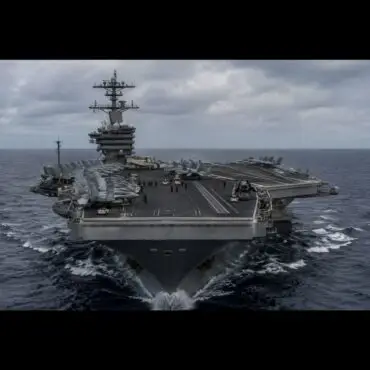
- The US lifts its naval blockade of Iranian ports, currently enforced since April 13
- Washington issues limited sanctions waivers permitting Iran to resume oil sales on global markets
- Both sides enter a 60-day negotiating window to address the nuclear file, enrichment moratorium duration, full sanctions relief, and frozen asset release
- If the second-phase negotiations fail, the US retains the right to restore the blockade or resume military operations
Bloomberg reported that Trump has recalibrated his public posture from dealmaker in a hurry to strategist playing a long game projecting confidence that economic pressure will continue to work in Washington’s favor the longer talks stretch on. Iran’s economy, battered by months of oil export disruption and a naval blockade that has cost Tehran an estimated $4.8 billion in lost oil revenue between April 13 and May 1 alone, is bearing severe strain.
Days Away But Which Days?
The question now is not whether a deal will happen but whether the remaining gaps close fast enough to prevent a new crisis before they do. Trump has cancelled personal trips, convened emergency national security meetings, and instructed the military to remain ready for strikes “on a moment’s notice.” Iran has signed off on broad principles while drawing firm lines on sequencing and assets.
IBTimes UK reported that Trump has ordered negotiators to take their time even as the world teeters on economic pressure from the Hormuz blockade a balancing act between leverage and the genuine global cost of every additional day the Strait stays effectively closed.
“A few more days” is the current US official estimate. In a negotiation this complex, between two adversaries this mistrustful, a few more days can become a few more weeks or a return to war. The deal is close. Close, in diplomacy, is not the same as done.

Oil & Energy Markets
A look at crude price swings, OPEC supply moves, and how energy markets react to geopolitical shocks.

Geopolitics & Conflict
Breaking down how wars, ceasefires, and diplomatic deals ripple through global trade and security.
US Foreign Policy
Coverage of Trump administration negotiations, sanctions, and strategic decisions shaping world events.
Economy & Inflation
Tracking how commodity prices, gas costs, and supply chains affect everyday consumers.