Share This Article
Iran is using the ongoing ceasefire with the United States to rapidly excavate and reposition concealed missiles, drones, and munitions accelerating its rearmament even as diplomatic talks continue to falter and President Donald Trump has flatly rejected Tehran’s latest peace proposal.
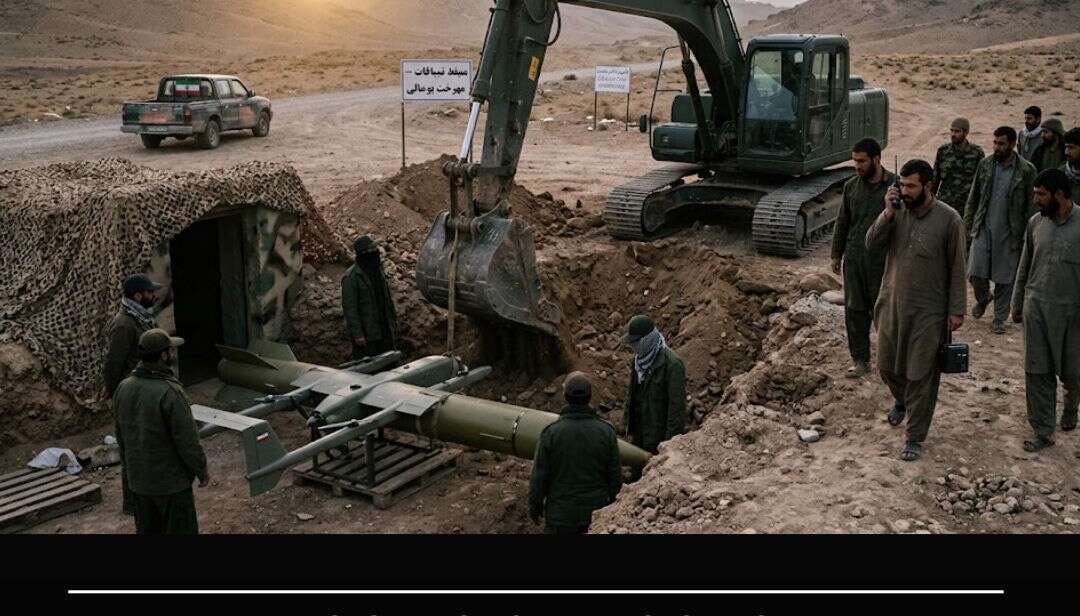
According to a US official and two other people familiar with the matter, cited by NBC News, Iran has stepped up efforts to dig out weapons that were either intentionally buried underground or became buried beneath rubble following months of US and Israeli airstrikes. Washington believes the Iranian regime is moving quickly to reconstitute its drone and missile capabilities in preparation for a potential resumption of full-scale hostilities.
Iran’s Hidden Arsenal: What Intelligence Shows
The disclosure sheds new light on how Iran has used the pause in direct military exchanges to its strategic advantage. US strikes on Iran’s deeply buried missile and drone storage sites including vast underground complexes known as “missile cities” targeted entrances and ventilation shafts rather than the weapons themselves. According to US intelligence reports, Iran has been able to dig out the bombed entrances and return some sites to operation within hours of an attack. CNN investigation found that while 77 percent of visible tunnel entrances had been hit, activity at those sites resumed quickly.
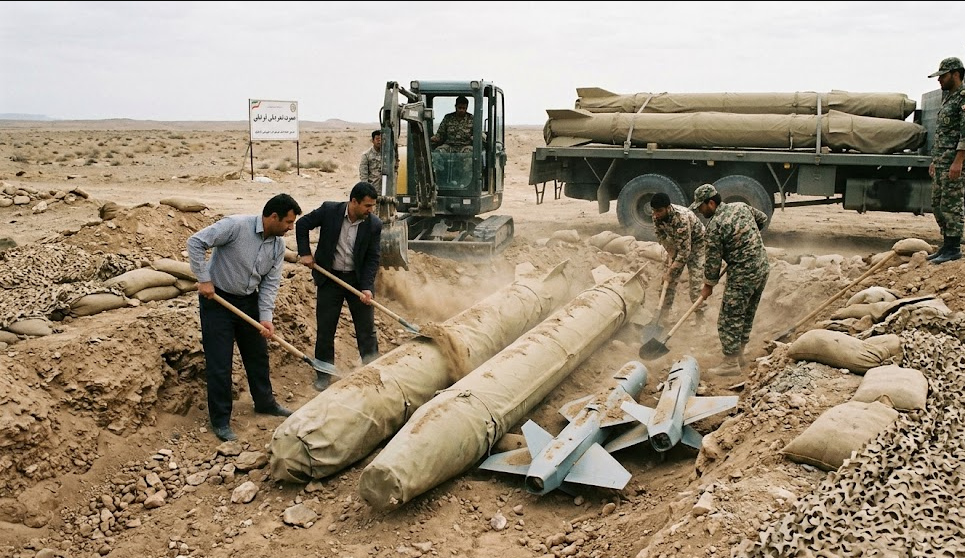
Defense Secretary Pete Hegseth had previously addressed the matter publicly, issuing a direct warning to Iranian leadership. “You are digging out your remaining launchers and missiles with no ability to replace them,” Hegseth said at a Pentagon press conference. “You only have what you have. You know that, and we know that. You can move things around, but you can’t actually rebuild.”
However, Hegseth’s assertion that Iran lacks a functioning defense industry appears to contradict the intelligence picture his own department has acknowledged. NBC News reported last week that US intelligence shows Iran still maintains many of its ballistic missiles, more than half of its air force’s aircraft, and more than half of the Islamic Revolutionary Guard Corps’ fleet of naval components a far cry from the “all but defeated” framing that has dominated White House messaging.
Trump Rejects Iran’s Latest Peace Proposal
The rearming revelations come as US-Iran diplomacy hit another wall. Iran submitted a new proposal to the US on May 1, aimed at breaking the diplomatic deadlock, but President Trump rejected it and said he is reviewing new military options to relaunch the war.
Speaking to reporters outside the White House, Trump said: “They want to make a deal, but I’m not satisfied with it. They’ve made strides, but I’m not sure if they ever get there,” also claiming that Iran’s leadership is “disjointed.”
Iran’s proposal reportedly conditioned reopening the Strait of Hormuz on the US lifting its naval blockade of Iranian ports, unfreezing Iranian assets, and critically pausing negotiations on Iran’s nuclear program. From the Oval Office, Trump made his red line explicit: “At this moment, there will never be a deal unless they agree that there will be no nuclear weapons.” Iran’s new Supreme Leader Mojtaba Khamenei, son of the assassinated Ali Khamenei, responded through state media that Iran would “safeguard” its nuclear and missile capabilities.
Ceasefire in Name Only
The Trump administration’s position is that the US and Iran have been in a ceasefire since early April, during which the two sides have not exchanged direct fire. However, the US has continued to enforce a blockade on Iranian ports, and Iran has continued to prevent ships from traversing the Strait of Hormuz.
Issues under discussion in Pakistan-mediated talks include freedom of navigation through the Strait of Hormuz, Iran’s nuclear and ballistic missile programme, reconstruction, sanctions relief, and a long-term peace agreement. Progress on all fronts has stalled.
Friday, May 1, also marked the 60-day legal deadline under the 1973 War Powers Resolution for the Trump administration to seek congressional authorization to continue military operations. Hegseth told senators in testimony that he believes the statutory countdown clock “pauses or stops in a ceasefire,” a legal argument opponents have swiftly challenged. The White House wrote to Congress that hostilities have “terminated” even as Trump publicly warned that strikes could resume at any time.
Military Options Back on the Table
Trump was set to meet with his national security team to review options including new military action for opening the Strait of Hormuz and stripping Iran of any remaining nuclear material. US Central Command chief Admiral Brad Cooper was scheduled to brief the president on available strike options, with Trump expected to make a decision in the coming days.
Both sides appear primed for a potential return to battle if they cannot agree on terms for peace. Iran’s foreign minister Abbas Araghchi called the US blockade of Iranian ports an “act of war,” while Trump, boasting about the naval siege, told reporters that Iran’s economy “is really in trouble” and that Tehran needs to “cry uncle.”
For global energy markets, the stakes remain enormous. The US Navy does not have enough ships to protect more than 100 vessels simultaneously, and Western defense officials have said reopening the Strait of Hormuz can only be achieved by a multinational coalition a fact that underscores why the diplomatic track, however fragile, still matters.
With Iran quietly rebuilding its strike capacity underground and Trump loudly rejecting offers at the surface, the ceasefire increasingly resembles a strategic pause rather than a path to peace.

Oil & Energy Markets
A look at crude price swings, OPEC supply moves, and how energy markets react to geopolitical shocks.

Geopolitics & Conflict
Breaking down how wars, ceasefires, and diplomatic deals ripple through global trade and security.
US Foreign Policy
Coverage of Trump administration negotiations, sanctions, and strategic decisions shaping world events.
Economy & Inflation
Tracking how commodity prices, gas costs, and supply chains affect everyday consumers.