Share This Article
Negotiators in the US-Iran talks have agreed on broad principles for ending nearly three months of active conflict but as both sides signal cautious optimism, the harder details of a permanent settlement remain stubbornly out of reach, with key disputes over Iran’s nuclear program, its enriched uranium stockpile, and the future of the Strait of Hormuz still unresolved.
President Donald Trump, who earlier this week declared the deal “largely negotiated,” tempered expectations on Saturday with a pointed post on Truth Social: “I have informed my representatives not to rush into a deal time is on our side. The Blockade will remain in full force and effect until an agreement is reached, certified, and signed.”
The message was clear: progress is real, but Washington is not blinking first.
What Has Been Agreed In Principle
According to CBS News, US and Iranian negotiators have reached agreement on broad principles that form the backbone of a potential framework deal. The Washington Post confirmed that both sides are working toward a deal to extend the existing ceasefire by 60 days while broader negotiations continue a two-phase structure that separates the immediate military and economic crisis from the longer, more complex nuclear diplomacy.
Under the emerging iran and us talks framework, the first phase would include:
- A 60-day ceasefire extension formalizing the current pause in active hostilities
- Iran de-mining the Strait of Hormuz and reopening it to commercial and energy shipping with no tolls
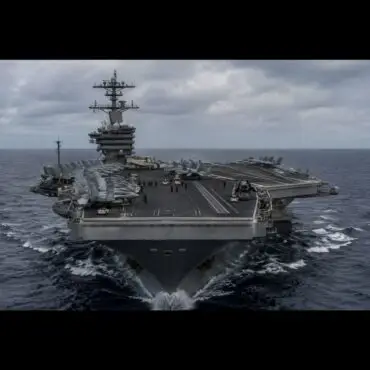
- The United States lifting its naval blockade on Iranian ports
- Washington issuing limited sanctions waivers allowing Iran to resume selling oil on global markets
- Both sides committing to negotiate the nuclear file and broader sanctions relief during the 60-day window
Al Jazeera’s breakdown of the iran us talks confirmed Iran has committed in principle to reopen the Strait and engage on the disposition of its highly enriched uranium stockpile though the gap between committing in principle and signing verifiable terms remains wide.
The Strait of Hormuz: Nearly There, Not Quite
The Strait of Hormuz has been closed since March 4, when Iran sealed the waterway in retaliation for the US-Israeli strikes that began the conflict. The economic consequences have been severe: Brent crude surged past $120 per barrel, global LNG shipments were disrupted, and the economic impact has been described by the International Energy Agency as “the greatest global energy security challenge in history.”
Reopening the Strait without tolls and without Iranian control of passage fees — remains the Trump administration’s most publicly stated and politically urgent demand. Secretary of State Marco Rubio reiterated this week that any tolling system would make the deal “unfeasible,” and Trump himself has said the Strait must be “open and free.”
NPR reported that while Trump has touted a breakthrough on Hormuz, the precise details of who controls passage, how the de-mining is verified, and what happens if Iran reimposed restrictions after sanctions waivers are issued remain points of active negotiation.
The Nuclear File: Iran’s “Firm Red Line”
The nuclear dimension of the US-Iran peace talks is where the distance between the two sides is widest and where the risk of collapse is greatest.
Washington’s position, reinforced by both Trump and Rubio throughout the week, is non-negotiable in its core objective: Iran must never possess a nuclear weapon, must agree to a moratorium on uranium enrichment, and must transfer its stockpile of highly enriched uranium approximately 440 kilograms enriched to near weapons-grade levels at 60%, as part of a total stockpile of roughly 2,000 kilograms out of Iranian territory to a third country.
Iran’s response, reported by The Times of Israel, has been to draw “a very firm red line”: the nuclear enrichment program is “non-negotiable.” Tehran has also pushed back on physically transferring enriched uranium abroad, with a senior Iranian source telling Reuters the nuclear issue is not part of the preliminary war-ending framework at all.
The Carnegie Endowment for International Peace noted that even after months of conflict and the deaths of senior Iranian leadership, Iran’s negotiating position on enrichment has barely shifted reflecting deep domestic political constraints that no Iranian government can easily override.
The enrichment moratorium duration remains unresolved: the US initially demanded 20 years, Iran countered with 5 years, and mediators believe the eventual landing zone will be somewhere between 12 and 15 years — if a deal is reached at all.
Mediators in the Room and the Gaps Between Them
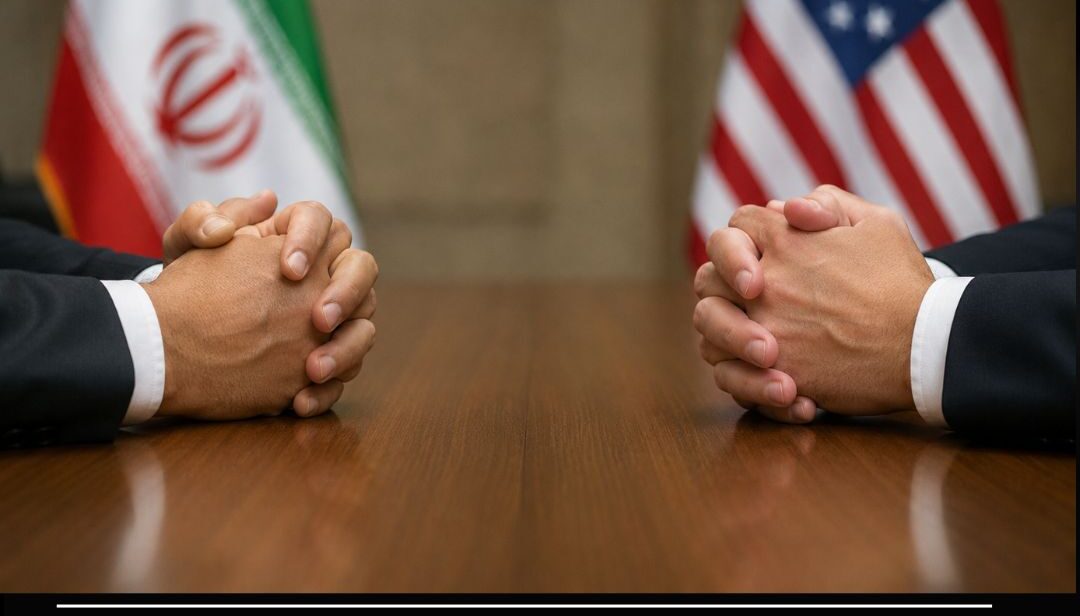
The iran us talks are not direct. According to the House of Commons Library briefing on the negotiations, US Special Envoy Steve Witkoff and Iranian Foreign Minister Abbas Araghchi have been conducting proximity talks through Omani mediators seated in separate rooms, with messages relayed between delegations rather than face-to-face dialogue.
Pakistan has played a parallel and complementary role. Secretary Rubio has called Islamabad the “primary interlocutor” in the talks, and Pakistani Field Marshal Asim Munir traveled to Tehran this week to help bridge gaps. Qatar, Saudi Arabia, the UAE, Egypt, and Turkey have also been involved in applying regional pressure and facilitating communication.
Bloomberg reported that the US-Iran peace talks push has intensified even as the fragile ceasefire holds, with all regional parties aware that a breakdown in negotiations could trigger a rapid return to hostilities and potentially a far more devastating second round of strikes.
“Don’t Rush” Trump Sets the Pace
Perhaps the most revealing signal of where the US-Iran talks stand came not from a briefing room or a diplomatic communiqué, but from Trump’s own Truth Social post. His instruction to negotiators not to “rush into a deal” combined with confirmation that the blockade remains fully in force reflects a president who believes economic pressure is still working in Washington’s favor.
NBC News reported that hopes of an imminent announcement have cooled following Trump’s post, with officials now acknowledging the deal could take several more days or longer to finalize.
ABC News confirmed that Rubio characterized the current state as “significant progress” a phrase that, in the careful language of diplomacy, means real movement without a finish line in sight.
The US-Iran peace talks have come further in the last week than at any point since the ceasefire began. Whether that momentum becomes a signed agreement or another delayed deadline may be answered within days.

Oil & Energy Markets
A look at crude price swings, OPEC supply moves, and how energy markets react to geopolitical shocks.

Geopolitics & Conflict
Breaking down how wars, ceasefires, and diplomatic deals ripple through global trade and security.
US Foreign Policy
Coverage of Trump administration negotiations, sanctions, and strategic decisions shaping world events.
Economy & Inflation
Tracking how commodity prices, gas costs, and supply chains affect everyday consumers.