Share This Article
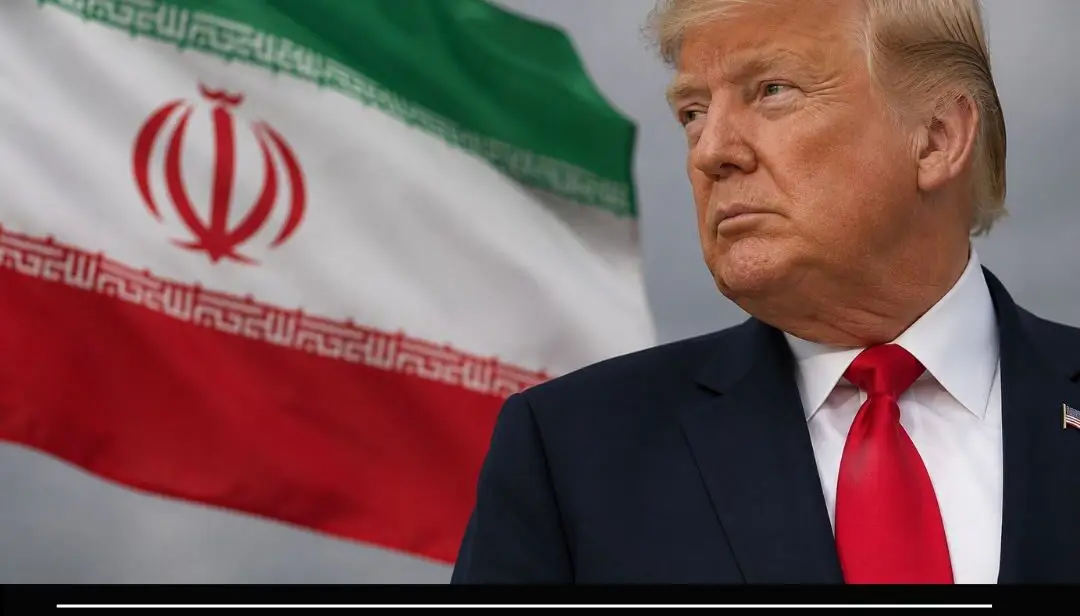
President Donald Trump started a war with Iran to strip the regime of its nuclear capabilities, strangle its military, and reopen the Strait of Hormuz on American terms. Now, as the White House edges toward a peace deal, a growing faction of Republican hawks is sounding a very different alarm not that the war is too costly, but that Trump is walking away from it too soon, with too little to show.
The backlash from within the president’s own party is striking in both its ferocity and its source. The critics are not war-weary moderates looking for an exit. They are the Senate’s most prominent Iran hardliners the very Republicans who cheered Operation Epic Fury when it launched on February 28, and who now fear the deal being assembled in US-Iran talks will hand Tehran a lifeline it doesn’t deserve.
“Everything Accomplished Would Be for Naught”
The most pointed attack came from Senate Armed Services Committee Chairman Roger Wicker of Mississippi, who issued a blunt public statement warning that the proposed 60-day ceasefire framework would be a “disaster.”
“Everything accomplished by Operation Epic Fury would be for naught!” Wicker declared a remarkable rebuke from the chairman of the committee that oversees the very military that fought the campaign.
The Hill reported that Wicker and Senator Lindsey Graham blasted reports of the emerging 60-day ceasefire deal, with Graham warning that any agreement leaving Iran as a perceived dominant regional force one still capable of destroying oil infrastructure across the Gulf would be a “nightmare for Israel” and a strategic defeat for the United States.
Graham’s concern goes beyond the terms themselves. He and fellow hawks believe the US-Iran war opened a rare strategic window Iran’s air defenses degraded, its leadership decapitated, its proxies weakened that may never open again. Closing it prematurely, in their view, is not diplomacy. It is surrender dressed in the language of dealmaking.
“A Disastrous Mistake”: Cruz and Pompeo Pile On
Senator Ted Cruz of Texas went further, framing the emerging deal in terms designed to maximally alarm the Republican base. If the final agreement leaves an Islamist regime chanting “death to America” still in power, enriching uranium, developing a path to nuclear weapons, and retaining effective leverage over the Strait of Hormuz all while receiving billions in unfrozen assets then, Cruz said, “that outcome would be a disastrous mistake.”
Fortune reported that Trump fired back at his critics without hesitation: “Don’t listen to the losers, who are critical about something they know nothing about.” He added that the deal was not “even fully negotiated yet,” suggesting the hawks were condemning terms that hadn’t been finalized.
But former Secretary of State Mike Pompeo a Trump loyalist who served in the first administration delivered perhaps the most stinging critique. The Philadelphia Inquirer reported that Pompeo said the emerging deal sounded “like the same one negotiated by Obama administration officials” a comparison calculated to wound a president who ran for years on dismantling the original Iran nuclear deal. Pompeo insisted Washington should instead continue to “deny Iran access to money” and press its military advantage until Iran’s ability to threaten US allies is permanently broken.
The White House hit back hard. Spokesman Steven Cheung told Pompeo publicly that he had “no idea what the f**k he’s talking about” an unusually aggressive response that underscored just how raw the intra-party tensions have become.
What the Hawks Fear Most
Beneath the sharp rhetoric lies a substantive strategic concern that CNN’s analysis laid out clearly: Republican hawks fear Trump is going to accept assurances from Iran that aren’t worth much, allow Tehran to retain the Strait of Hormuz as permanent strategic leverage, and walk away from a historic opportunity to end the Iranian threat not just pause it.
The core of their anxiety is the nuclear file. The draft memorandum of understanding reportedly delays negotiations over nuclear dismantlement and the disposal of highly enriched uranium for 30 to 60 days meaning Iran could pocket immediate economic benefits (sanctions waivers, oil sales, unfrozen assets) while the hardest concessions remain theoretical promises in a future negotiating round.
The Christian Science Monitor reported that Iran hawks in the GOP are specifically alarmed that the deal’s sequencing rewards Tehran upfront while leaving Washington’s core war aims permanent nuclear disarmament, verified enrichment limits, complete Hormuz freedom to a second phase of talks that may never produce binding results.
PBS NewsHour confirmed that even some Republicans who quietly supported the war are now worried the deal as described falls short of what American military action and American lives were supposed to achieve.
A Party at War With Itself Again
CNN’s companion analysis drew a stark conclusion: the Iran deal may prove almost as divisive within the Republican Party as the decision to go to war in the first place. Three months ago, GOP hawks cheered the strikes. Now they are warning the president not to squander what those strikes achieved.
Asia Times noted that the hawkish pressure from within the GOP is complicating the White House’s ability to present any deal as a unified Republican triumph precisely the political framing Trump needs to sell a war-ending agreement to his base.
Business Standard reported the blowback has left Trump’s Iran deal “up in the air” with the White House managing simultaneous pressure from hawks demanding more and war-weary moderates demanding less.
The president insists he is getting the best deal possible. His critics insist the best deal possible hasn’t been demanded yet. Between those two positions, the fate of the war and its legacy now hangs.

Oil & Energy Markets
A look at crude price swings, OPEC supply moves, and how energy markets react to geopolitical shocks.

Geopolitics & Conflict
Breaking down how wars, ceasefires, and diplomatic deals ripple through global trade and security.
US Foreign Policy
Coverage of Trump administration negotiations, sanctions, and strategic decisions shaping world events.
Economy & Inflation
Tracking how commodity prices, gas costs, and supply chains affect everyday consumers.