Share This Article
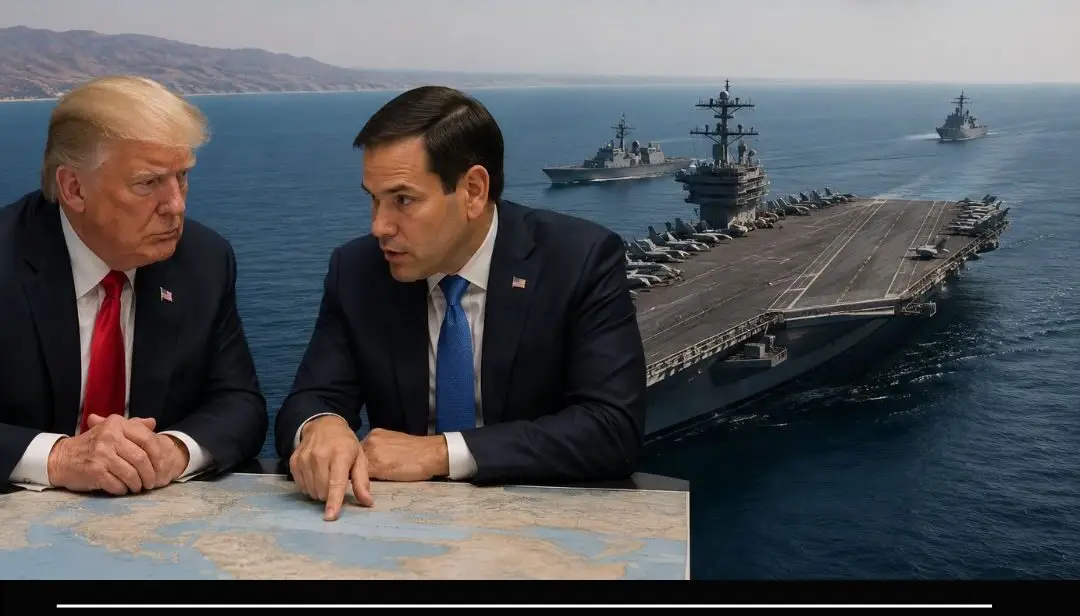
The United States is actively preparing military strike options against Iran even as diplomatic negotiations continue, with Secretary of State Marco Rubio drawing a hard line this week: Tehran’s plan to impose tolls on the Strait of Hormuz is “just not acceptable” and if a deal cannot be reached, the president has made clear he has “other options.”
The dual-track reality diplomacy on one front, strike planning on the other defines where the US-Iran war now stands, nearly three months after the United States and Israel launched coordinated strikes against Iranian military and government targets on February 28, triggering a conflict that has blockaded one of the world’s most critical waterways and rattled global energy markets ever since.
Rubio Draws the Line on Hormuz
Speaking publicly on Thursday and Friday, Rubio offered the clearest articulation yet of the administration’s red lines heading into what both sides are treating as a make-or-break phase of negotiations.
“It can’t happen,” Rubio said flatly of Iran’s tolling proposal for the Strait of Hormuz, warning that if Tehran were allowed to extract fees from shipping passing through the narrow waterway, similar systems would proliferate across five other strategic chokepoints around the world. “It would be a precedent that would be catastrophic for global commerce.”
CBS News reported that Rubio laid out Trump’s non-negotiable conditions for any deal in stark terms: Iran must not obtain a nuclear weapon, must reopen the Strait of Hormuz without tolls, and must surrender its stockpile of highly enriched uranium. On all three points, Tehran remains in dispute.
The Times of Israel noted that Rubio acknowledged some “good signs” in recent talks, but was unambiguous that a tolling regime in the Strait would render any prospective deal “unfeasible.”
UPI reported that Rubio simultaneously signaled cautious optimism and firm resolve: progress is being made, but the core American positions are not subject to negotiation.
Inside the Strike Planning
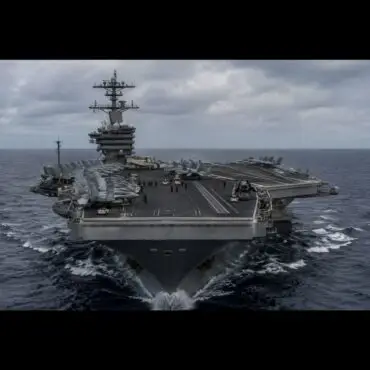
While Rubio managed the public diplomatic messaging, the Pentagon was doing something else entirely. CNN confirmed that U.S. military planners have been developing detailed options for renewed strikes against Iran’s military capabilities around the Strait of Hormuz, the southern Arabian Gulf, and the Gulf of Oman specifically targeting fast attack boats, minelaying vessels, and other asymmetric naval assets Iran has used to enforce its blockade.
The planning, described as focused on “dynamic targeting,” also includes potential strikes against Iranian energy infrastructure a pressure lever Trump has explicitly threatened to pull if diplomacy collapses. Additional strike packages reportedly target Iran’s surviving missile stockpiles, launch infrastructure, and weapons production facilities that survived or were relocated after the initial US-Israeli strike campaign in February.
CNBC reported that despite these preparations, Trump himself appears reluctant to restart full-scale combat and would prefer a negotiated exit though he has repeatedly instructed the military to be ready to act “on a moment’s notice.”
The Uranium Deadlock
Beneath the Hormuz dispute lies an even thornier obstacle: Iran’s enriched uranium stockpile. According to The Intel Drop, Iran’s Supreme Leader Ayatollah Mojtaba Khamenei has issued a directive explicitly prohibiting the removal of highly enriched uranium approximately 440 kilograms enriched to 60% and above from Iranian soil. Washington’s position is equally firm: that stockpile must go.
The deadlock has stalled the broader framework negotiations, with mediators scrambling to agree even on a preliminary “letter of intent” that would lock in a ceasefire extension and establish a 30-day framework for further talks.
Pakistan: The Fragile Bridge
Keeping the diplomatic channel alive is Pakistan, which Rubio described as the “primary interlocutor” in US-Iran negotiations, crediting Islamabad with doing an “admirable job” navigating the competing demands of Washington and Tehran.
Axios reported that Pakistani Field Marshal Asim Munir traveled to Tehran this week in a bid to seal a framework agreement. But the mission hit a snag The Week reported that Munir ultimately called off key elements of his trip even as Rubio was publicly citing “good signs.” The disconnect exposed how precarious the mediating effort remains.
Al Jazeera reported that Pakistan’s mediation faces structural limits Tehran’s internal divisions, Washington’s military posture, and the absence of direct back-channel trust between the two principals are all compounding the difficulty of reaching any durable agreement.
The Stakes: A Waterway the World Depends On
The urgency behind every diplomatic and military calculation stems from one unchanging geographic fact: approximately 25% of the world’s seaborne oil and 20% of global liquefied natural gas passes through the Strait of Hormuz every day. Since Iran closed the waterway in late February in retaliation for US-Israeli strikes, energy prices have surged, supply chains have been strained, and the economic pressure on all parties including Iran has mounted steadily.
The National News reported that Rubio acknowledged “slight progress” in talks this week, but his message to Tehran was direct: the Strait must reopen, it must reopen free of tolls, and the nuclear file must be resolved. Anything short of that, and the president who cut his New Jersey golf weekend short to remain in Washington over the weekend has made plain he is prepared to act.
As Rubio put it simply: “If we can’t get a good deal, the president has other options.”

Oil & Energy Markets
A look at crude price swings, OPEC supply moves, and how energy markets react to geopolitical shocks.

Geopolitics & Conflict
Breaking down how wars, ceasefires, and diplomatic deals ripple through global trade and security.
US Foreign Policy
Coverage of Trump administration negotiations, sanctions, and strategic decisions shaping world events.
Economy & Inflation
Tracking how commodity prices, gas costs, and supply chains affect everyday consumers.