Share This Article
A former senior aide to President Donald Trump has issued a pointed warning that a US-China “G2” world order would amount to a “dangerous sidelining” of India, reigniting a debate that has simmered in New Delhi since Trump first floated the framework during his Busan summit with Chinese President Xi Jinping.
The warning, attributed to former National Security Advisor John Bolton, lands at a moment when Washington’s strategic bandwidth is already stretched thin balancing the fallout from the Iran war, the fragile US-Iran Agreement, and renewed diplomatic engagement with Beijing all at once.
What Triggered the Warning
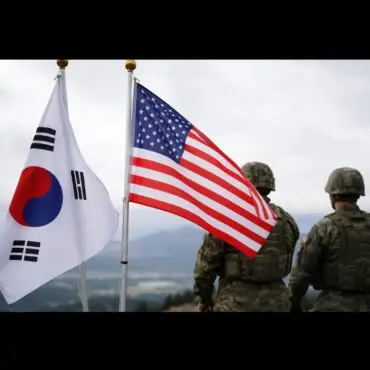
The concept of a “G2” a world order managed jointly by the United States and China has unsettled Indian policymakers since Trump described his October 2025 meeting with Xi in Busan, South Korea, in those very terms, claiming it would usher in “eternal peace” in Asia. Xi, for his part, called for the two powers to be “partners and friends.”
Bolton’s intervention sharpens that anxiety considerably. He warned against the US-China framework directly, calling it a dangerous sidelining of India, and stressed the urgent need for deeper India-US strategic cooperation to counter China’s expanding footprint across the Indo-Pacific.
Bolton further argued for a more substantive strategic dialogue between Washington and New Delhi one centered on the China threat itself, rather than narrower disputes over trade and tariffs that have dominated the bilateral relationship in recent years.
Why the Timing Matters
The criticism comes at a particularly delicate juncture for US foreign policy. Washington’s attention has been consumed for months by the war with Iran, the resulting closure of the Strait of Hormuz, and the diplomatic effort to stabilize the region through the newly signed US-Iran Agreement. That memorandum of understanding, which Vice President JD Vance confirmed entered its 60-day compliance window this week, is widely seen as the mechanism for normalizing Strait of Hormuz traffic and de-escalating tensions that sent oil prices soaring earlier this year.
For Indian strategists, the optics are uncomfortable. As Washington’s diplomatic energy is consumed by the Middle East and a parallel thaw with Beijing, New Delhi worries that its own strategic relevance to the US is being quietly downgraded. According to analysis from the Carnegie Endowment for International Peace, a US-China rapprochement could embolden Beijing’s assertiveness toward India and curb Washington’s incentive to actively manage tensions with New Delhi even as American military and diplomatic resources remain tied up in the Middle East and the western hemisphere.
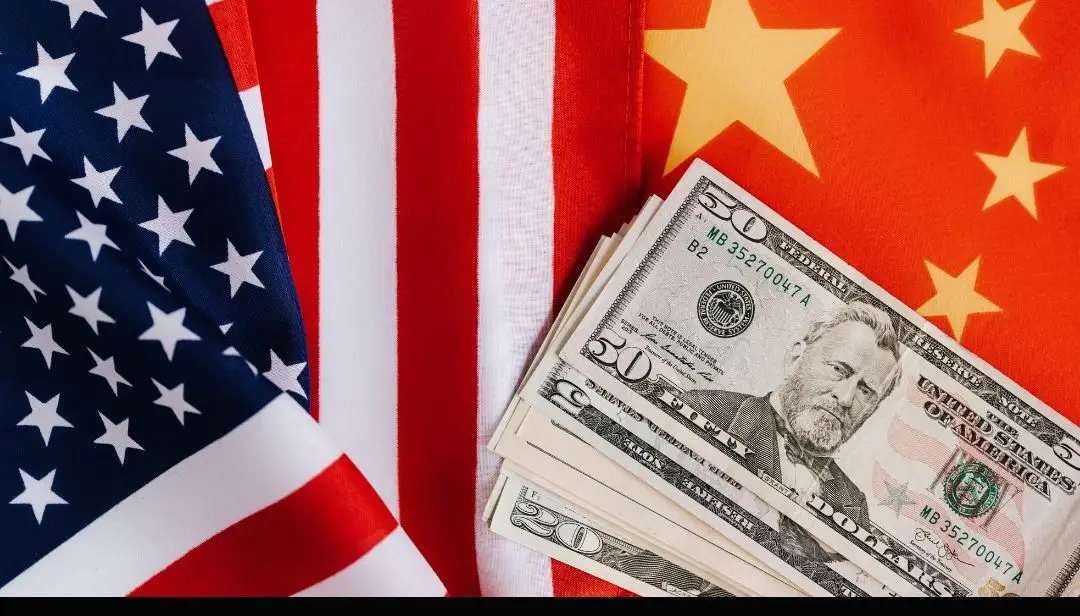
The India-US relationship has also weathered recent friction independent of the G2 debate. Washington accused New Delhi last year of profiteering from discounted Russian oil purchases and imposed 25% penalty tariffs even as Chinese purchases of Russian energy drew comparatively less scrutiny. Following the Trump-Xi meeting in Busan, the US also lowered tariffs on Chinese goods to around 47%, at one point below the rate it was charging on Indian imports.
India’s Long-Standing G2 Anxiety
This is not the first time the G2 framework has drawn alarm in Indian strategic circles. Foreign policy analyst C. Raja Mohan noted shortly after the Busan summit that Trump’s description of the meeting had “triggered concern across Asian capitals,” signaling a possible drift by Washington toward a “China-first” posture in the region a sharp break from the bipartisan China-balancing consensus that shaped two decades of US Indo-Pacific strategy, including the formation of the Quad grouping with Australia, India, and Japan.
Not all assessments share Bolton’s level of alarm, however. Some regional analysts argue that historically, G2-style condominiums between great powers tend to collapse under the weight of incompatible worldviews and Chinese overreach and that India should treat the current thaw as a tactical opening rather than a structural threat, using the moment to deepen its own economic security partnerships across the Indo-Pacific rather than wait passively for Washington’s attention to return.
What Comes Next
Indian officials have given no formal public response to Bolton’s remarks, though New Delhi has consistently signaled discomfort with any arrangement that treats China as Washington’s primary strategic counterpart. With the US now simultaneously managing the aftermath of the US-Iran Agreement, a recalibrated relationship with China, and ongoing friction with traditional allies over tariffs, India’s room to maneuver and its leverage in Washington may be increasingly shaped by how these overlapping priorities are resolved in the months ahead.
For now, Bolton’s warning serves as a reminder that even as US-Iran diplomacy dominates headlines and the Strait of Hormuz cautiously reopens to commercial traffic, the broader contest for influence in Asia and India’s place within it remains very much unsettled.

Oil & Energy Markets
A look at crude price swings, OPEC supply moves, and how energy markets react to geopolitical shocks.

Geopolitics & Conflict
Breaking down how wars, ceasefires, and diplomatic deals ripple through global trade and security.
US Foreign Policy
Coverage of Trump administration negotiations, sanctions, and strategic decisions shaping world events.
Economy & Inflation
Tracking how commodity prices, gas costs, and supply chains affect everyday consumers.