Share This Article
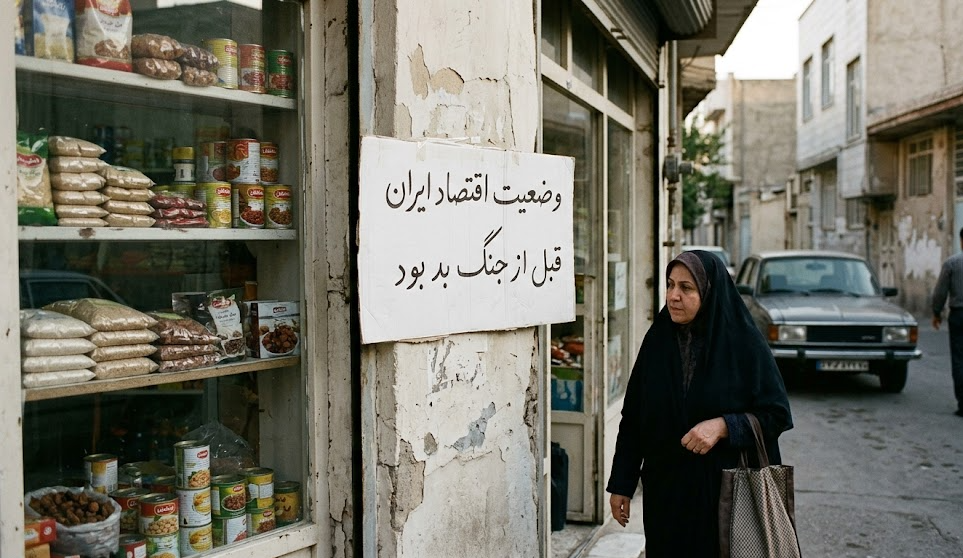
Long before the first US or Israeli missile struck Iranian soil, Iran’s economy was already in freefall. Decades of international sanctions, chronic mismanagement, rampant corruption, and a collapsing currency had hollowed out the financial lives of ordinary Iranians. Today, with the Iran-US war grinding into its third month, those fragile foundations have crumbled entirely and millions of people are now confronting joblessness and poverty on a scale the country has never seen before.
An Economy Already on the Edge
To understand the depth of Iran’s current economic catastrophe, it is essential to look at where Iran’s economy stood before the war began. National income per person had already fallen sharply from approximately $8,000 in 2012 to just $5,000 by 2024 eroded by relentless sanctions, particularly those reimposed under President Donald Trump, which had severely curtailed Iran’s oil exports and severed the country’s access to global financial markets.
Here are Some Related Blogs to Read
- NATO chief calls US strikes on Iran “absolutely necessary”
- Will gold rally as US-Iran tensions escalate
- Oil jumped but the market stayed calm
- 5 takeaways from Tuesday’s 2026 primaries
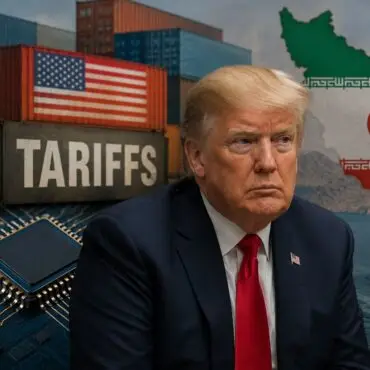
- US tariff system reset across 60 economies
- Trump tariffs Section 122 surcharge expires
- Trump had deliberately paused Hormuz operations to force Iran into a deal.
- JD Vance claims Hegseth has been misleading Trump on the Iran war.
- Iran has been digging out hidden missile stockpiles after rejecting Trump’s peace offer.
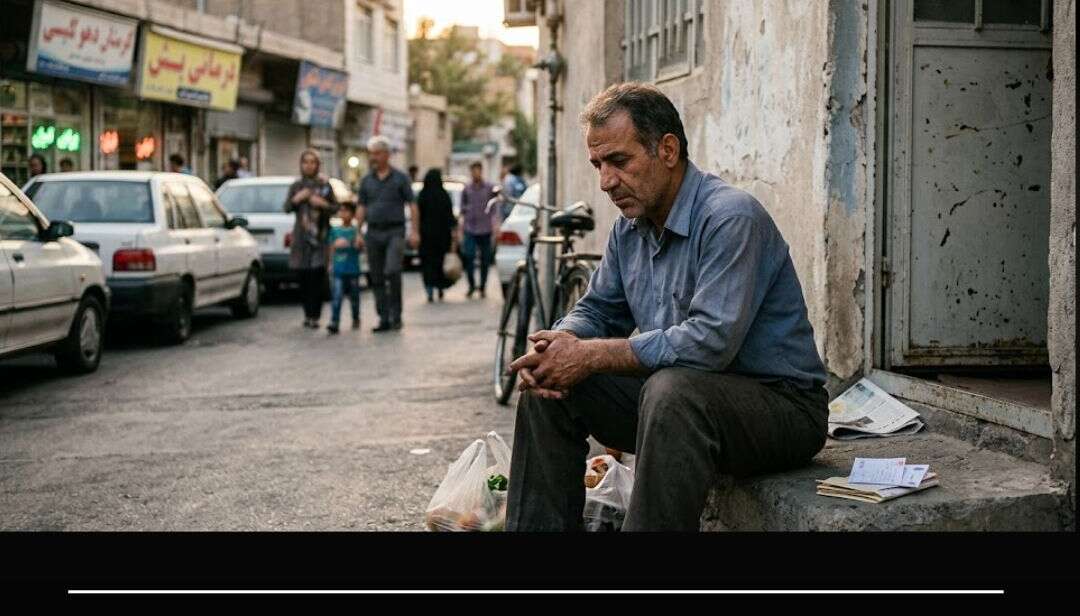
By early 2026, estimates from international observers placed between 22% and 50% of Iran’s population below the poverty line. The Iranian rial, once exchanged at roughly 42,000 per US dollar, had plummeted to over 1.1 million per dollar a catastrophic loss of purchasing power that made even basic imported goods unaffordable for most families. The average Iranian worker earned a salary that amounted to less than one-third of the income needed to stay out of poverty. As one grim assessment noted, wages “do not even cover the cost of dry bread.”
The War’s Devastating Economic Toll
When US and Israeli forces launched their combined air campaign against Iran on February 28, 2026 targeting military infrastructure, energy facilities, bridges, and railways the economic consequences were immediate and severe. Iran’s already strained industrial base was hit hard. More than 23,000 factories and firms have been damaged or destroyed, directly costing one million jobs, according to Iran’s own Deputy Minister of Work and Social Security. Spillover effects from those closures have pushed another million workers into unemployment, bringing the total job losses to approximately two million since the war began.
The International Monetary Fund has projected a 6.1% contraction of Iran’s economy in 2026 with no meaningful recovery expected before 2027. Inflation, already corrosive before the conflict, is now projected to approach 70% for the year, while prices across the economy have risen by over 40% since the war began. Government officials are privately warning that the state is struggling to meet payroll for public sector workers a sign of how deeply the Iran-US war has shaken the regime’s own financial foundations.
Millions Sliding Into Poverty
The human cost behind these numbers is staggering. The United Nations Development Programme estimates that up to 4.1 million additional Iranians could fall into poverty as a direct result of the conflict. Iranian officials have warned that the total population living in poverty could reach 55 million people in a country of roughly 88 million. The Iranian parliament had already flagged, before the war, that 50% of males between the ages of 25 and 40 were unemployed and not actively seeking work. The war has made that crisis dramatically worse.
Al Jazeera’s economic analysis described the situation plainly: the Iran-US war is threatening to push millions of Iranians who were barely surviving back into outright destitution.
The Blockade Tightens the Noose
Adding to Iran’s economic agony is the US naval blockade of the Strait of Hormuz, announced by President Trump after nuclear talks collapsed in mid-April 2026. The blockade has cut off Iran’s primary oil export corridors, pushing Tehran toward a looming oil storage crisis while simultaneously driving global energy prices to their highest levels since the 1970s. The International Energy Agency has described the Strait of Hormuz closure as the largest oil supply disruption in the history of the global energy market.
For ordinary Iranians, the blockade means higher food prices, scarcer goods, and deeper uncertainty. Iran’s foreign minister has sought diplomatic support from Pakistan and Russia, while Tehran publicly rejects any negotiations it frames as conducted “under siege.”
A Population Paying the Price
Iran’s leadership built its revolutionary legitimacy partly on promises of economic justice. Those promises lie in ruins. The Iran-US war has not created Iran’s economic crisis it has accelerated a collapse that was decades in the making, driven by ideological isolation, financial mismanagement, and the sustained pressure of international sanctions. The people suffering most are not the political elite, but the millions of workers, small business owners, and families who had already spent years stretching insufficient incomes across rising costs.
As the war continues with no clear ceasefire in sight, Iran’s economy stands as both a casualty of the conflict and, perhaps, the most consequential front on which its outcome will ultimately be decided.

Oil & Energy Markets
A look at crude price swings, OPEC supply moves, and how energy markets react to geopolitical shocks.

Geopolitics & Conflict
Breaking down how wars, ceasefires, and diplomatic deals ripple through global trade and security.
US Foreign Policy
Coverage of Trump administration negotiations, sanctions, and strategic decisions shaping world events.
Economy & Inflation
Tracking how commodity prices, gas costs, and supply chains affect everyday consumers.