The clock is counting down to Wednesday. The ceasefire expires at the end of that day, Washington time. The planned second round of U.S.-Iran talks in Islamabad has no confirmed Iranian delegation. Brent crude has jumped back above $95 a barrel. And the man whose navy just seized a 900-foot Iranian cargo ship says extending
The clock is counting down to Wednesday. The ceasefire expires at the end of that day, Washington time. The planned second round of U.S.-Iran talks in Islamabad has no confirmed Iranian delegation. Brent crude has jumped back above $95 a barrel. And the man whose navy just seized a 900-foot Iranian cargo ship says extending the truce is “highly unlikely.”
This is where the Middle East crisis stands as of April 20 — forty-eight hours from what could be the most consequential deadline of Donald Trump’s presidency.
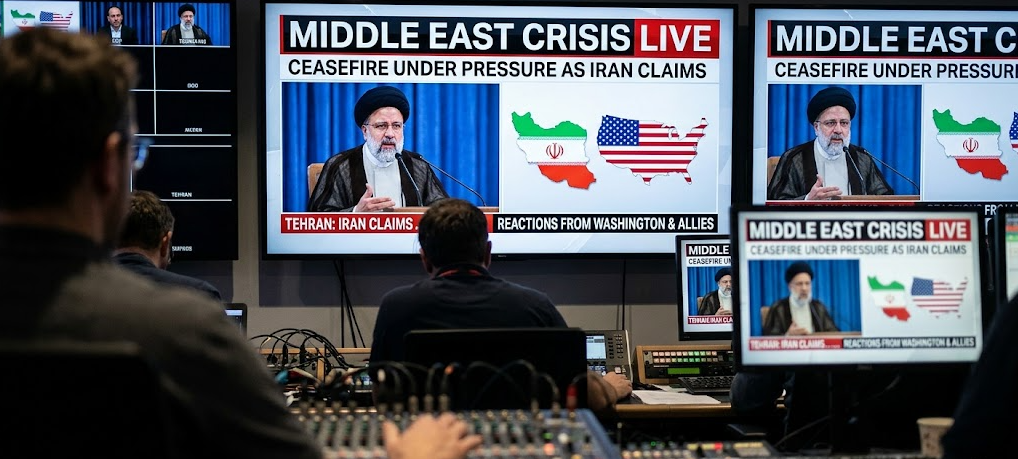
Iran: “No Plan for the Next Round of Negotiations”
The clearest statement of where things stand came directly from Tehran’s Foreign Ministry.
“As of now, as I am speaking to you, we have no plan for the next round of negotiations,” spokesperson Esmaeil Baghaei told reporters Monday, delivering the line that set markets moving and alarm bells ringing simultaneously.
Baghaei went further. He accused the United States of demonstrating it was “not serious” about the diplomatic process, cited “excessive demands, unrealistic expectations, and constant shifts in stance” as evidence, and made clear that Iran does not bend to deadlines. “We do not believe in ultimatums when safeguarding national interests,” he said.
Iran had already demanded the “immediate release of the Iranian vessel, its sailors, crew, and their families” following the seizure of the Touska by USS Spruance on Sunday. Tehran called the seizure “maritime piracy” and a “direct violation of the ceasefire.” Its top military command warned that “the Armed Forces of the Islamic Republic of Iran will soon respond and retaliate.”
For now, the retaliation has been diplomatic. The question of whether it remains that way depends on what the next 48 hours produce.
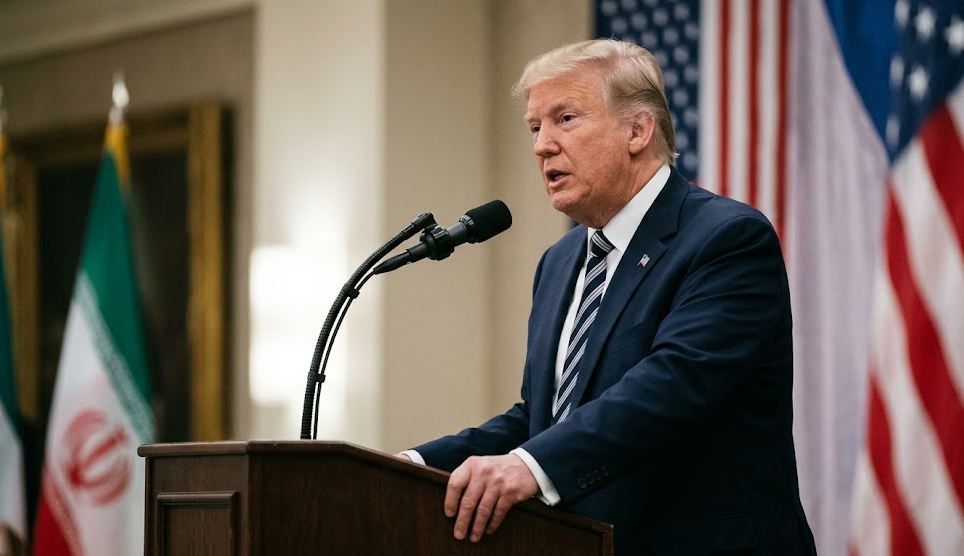
Trump: “Time Is Not My Adversary”
The president was not projecting anxiety. He was projecting certainty.
“Time is not my adversary,” Trump posted on Truth Social Monday in a message that was equal parts boast and threat. “The only thing that matters is that we finally, after 47 years, straighten out the MESS that other Presidents let happen because they didn’t have the courage or foresight to do what had to be done with respect to Iran.”
In a separate statement, he confirmed the ceasefire ends “Wednesday evening Washington time” and said extending it was “highly unlikely” if no deal was reached. He simultaneously announced that Vice President JD Vance, Special Envoy Steve Witkoff, and Jared Kushner would travel to Islamabad for a second round of talks — a delegation assembled for a meeting that Iran’s foreign ministry says it has no plans to attend.
The contradiction — preparing for talks while dismissing their likelihood — captured the broader incoherence of the moment. CNN Politics reported the situation with a headline that cut directly to it: “A Deal to End the Iran War Seemed Close. Then Trump Started Posting on Social Media.”
Markets Signal What Words Won’t
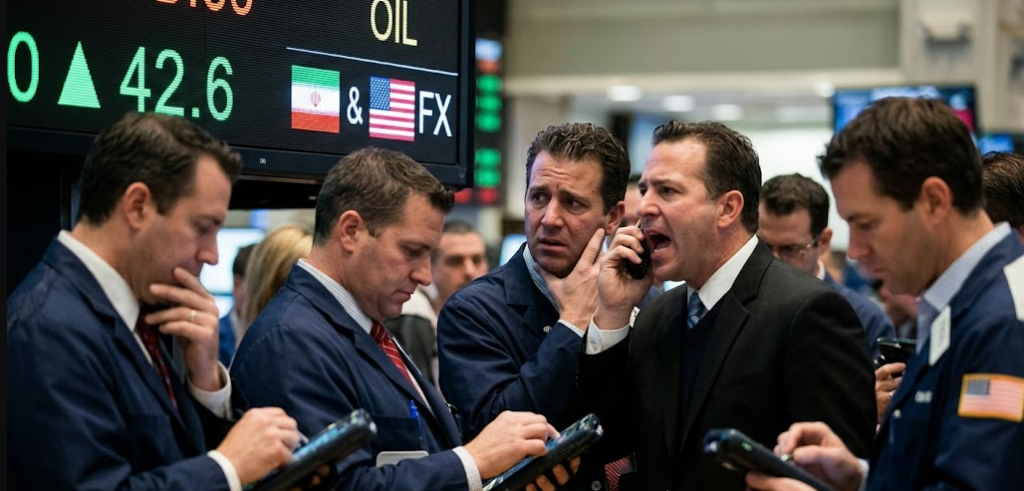
Oil prices told the clearest story of how the market reads the current moment.
Brent crude, which had settled between $91 and $92 a barrel during the relative calm of the ceasefire period, opened Monday at $95 — a swift upward move driven entirely by the Touska seizure and Iran’s withdrawal from talks. The Washington Post reported the jump had “imperiled the ceasefire” in markets’ own language, with crude traders pricing the probability of resumed hostilities back into every barrel.
The pattern is familiar. When Operation Epic Fury launched in late February, Brent rocketed from $72 to $120 in less than two weeks. The ceasefire brought it back toward $88–90. Each escalation since — the Islamabad collapse, the re-closure of the strait, and now the Touska — has nudged it incrementally higher. At $95 on a Monday morning, with the ceasefire expiring Wednesday, analysts were openly discussing whether the floor had shifted upward permanently.
The Gaps That Remain Unbridged
Beneath the ship seizure and the rhetorical fire, the fundamental negotiating gaps have not moved.
The United States wants a 20-year pause on Iranian uranium enrichment. Iran has offered five years. Washington demands the removal of Iran’s stockpile of highly enriched uranium from Iranian soil. Tehran considers enrichment a sovereign right. The Strait of Hormuz — through which 20% of global oil flows — remains closed to most commercial traffic, with Iran’s re-closure on April 18 still in effect.
CNBC described the combined effect of the ship seizure, vessel attacks in the Gulf, and Iran’s negotiating withdrawal as pushing the ceasefire “toward the brink” — a phrase analysts said was understating the risk given how close the expiry deadline now sits.
NPR’s assessment was similarly bleak: it is “unfortunately more likely to just go the other way — a resumption of hostilities.”
48 Hours
Mediators from Pakistan, Egypt, and Turkey are still working back channels. The U.S. delegation is reportedly wheels-up for Islamabad regardless of whether Iranian counterparts show. Trump says he’s not under pressure. Iran says it doesn’t believe in deadlines.
The ceasefire expires Wednesday evening.
Market Analysis
A quick snapshot of market trends, customer behavior, and competitor movements.