The Iran negotiations in Islamabad have a public face — and a private war. JD Vance is in the room, pushing for a deal. Marco Rubio is on the record doubting one is possible. Trump is watching both men, reading the room, and deciding which vision of American power wins. The ceasefire expires April 21.
The Iran negotiations in Islamabad have a public face — and a private war. JD Vance is in the room, pushing for a deal. Marco Rubio is on the record doubting one is possible. Trump is watching both men, reading the room, and deciding which vision of American power wins. The ceasefire expires April 21.
WASHINGTON / ISLAMABAD — Every major foreign policy crisis inside the Trump White House eventually produces the same internal collision: the dealmakers versus the maximalists. In Iran, that collision has a name and a timeline.
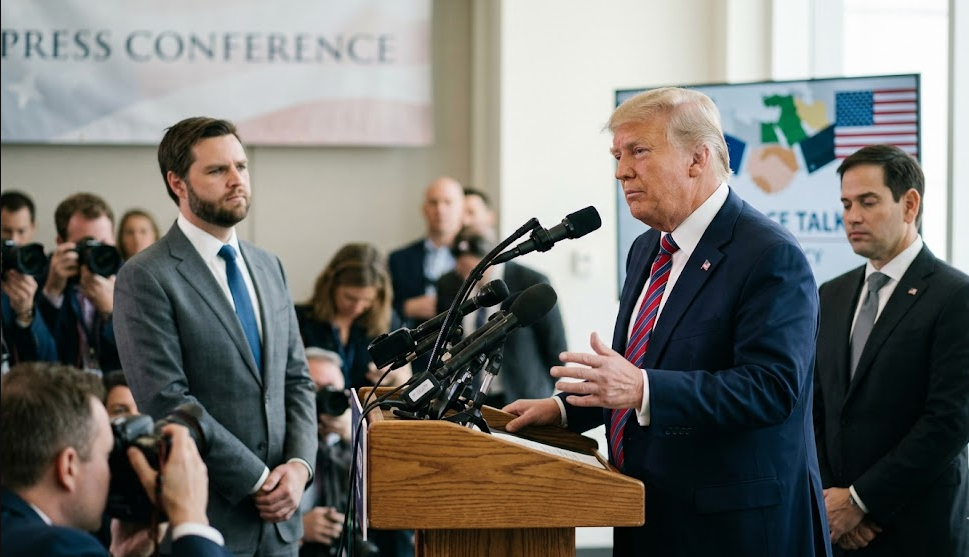
Vice President JD Vance is leading the US delegation in Islamabad, sitting across from Iranian negotiators with a mandate to convert a two-week ceasefire into something durable. Secretary of State Marco Rubio is in Washington, publicly on record with the most skeptical assessment any senior administration official has offered about the entire enterprise: “I’m not sure you can reach a deal with these guys.”
Between those two positions — Vance’s pragmatic engagement and Rubio’s hawkish doubt — Donald Trump is making a choice that will define not just the Iran negotiation, but the foreign policy architecture of his second term.
The Two Visions
JD Vance came to the vice presidency as a foreign policy heterodox — a former skeptic of overseas military commitments who has evolved into Trump’s most trusted diplomatic executor. His role in Islamabad is not ceremonial. He is the principal American negotiator, the face of US engagement, and the man who must somehow bridge the gap between Iran’s 10-point framework and the US 15-point counter-proposal on their most fundamental disagreement: enrichment rights.
Vance has signaled — carefully, with deliberate hedging — a willingness to explore phased frameworks that stop short of full enrichment dismantlement if verification mechanisms are sufficiently robust. He has not said this publicly. But his presence in Islamabad, his engagement with Pakistan’s mediating team, and his framing of the ceasefire as a “fragile truce” worth preserving rather than abandoning all point toward a vice president who believes a deal — imperfect, partial, politically painful — is better than returning to war.
Rubio’s posture is structurally different. The Secretary of State built his political career on hawkish Iran skepticism — as a Florida Senator, he was among the most vocal opponents of the Obama-era JCPOA, arguing that any deal which left Iranian enrichment capacity intact was a delayed catastrophe rather than a diplomatic achievement. His public statement — “I’m not sure you can reach a deal with these guys” — was not an off-script moment. It was a positioning statement, delivered deliberately, communicating to the Iranian delegation and to Trump simultaneously that the Secretary of State does not consider a deal inevitable, necessary, or necessarily desirable on Iran’s terms.
Why This Division Matters
The Vance-Rubio tension is not merely a personality conflict or a bureaucratic turf war. It reflects a genuine strategic disagreement about what American power should achieve in the Persian Gulf — and what it should cost to achieve it.
Vance’s implicit argument: Iran is broken. Its supreme leader is dead. Its economy is in freefall. Its nuclear facilities are damaged. Take the deal now, lock in verification, prevent reconstitution, and declare victory before the window closes. A negotiated freeze is strategically superior to a resumed war that will further destabilize oil markets, strain the US military posture, and damage the domestic economy Trump needs to protect heading into the 2026 midterms.
Rubio’s implicit argument: Iran has not capitulated. Its 10-point framework is a maximalist opening bid, not a concession. Accepting it as a “workable basis” — as Trump did in the ceasefire post — legitimizes Iranian demands that previous administrations spent decades refusing to acknowledge. A deal built on Iran’s framework is not American victory. It is American accommodation dressed as American victory.
Both arguments are coherent. Both have historical precedent. And Trump — characteristically — has not resolved the tension between them. He has let both men operate simultaneously, watching which approach produces results before committing to either.
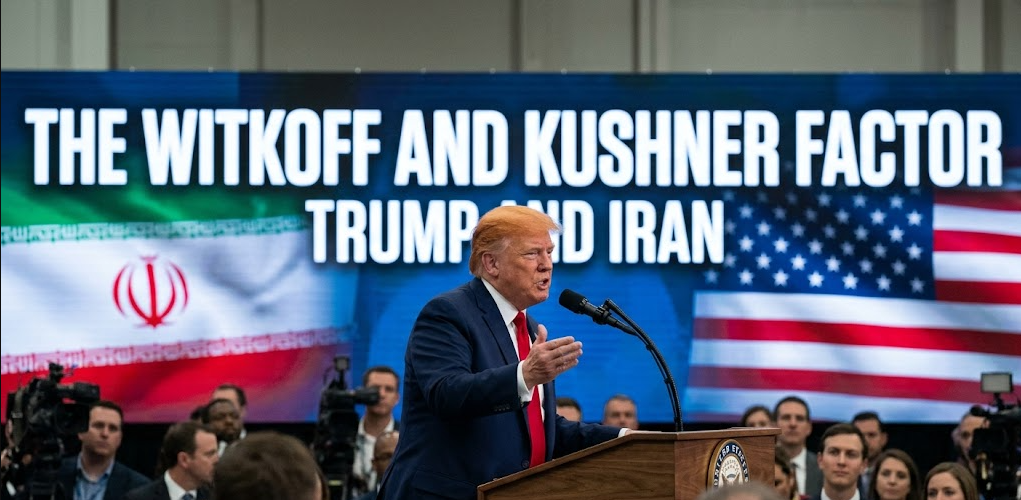
The Witkoff and Kushner Factor
Operating between Vance and Rubio is a third force: Special Envoy Steve Witkoff and presidential advisor Jared Kushner, who function as Trump’s direct diplomatic channel and report to the president personally rather than through the State Department structure Rubio controls.
This triangulation is deliberate. Witkoff negotiated the January 2025 Gaza ceasefire and the April 7 Iran ceasefire through the same back-channel architecture — operating outside formal diplomatic frameworks, reporting directly to Trump, moving faster than cabinet-level deliberation allows. Kushner brings the relationship capital and deal-structuring instinct he demonstrated during the Abraham Accords.
In practical terms, Witkoff and Kushner are the implementation arm of whichever vision Trump ultimately endorses. If Trump decides a deal is achievable, they will build it. If Trump decides Rubio is right and Iran cannot be trusted, they will provide the intelligence and diplomatic cover for a harder line.
The Islamabad talks are officially a Vance operation. But the real decision is being made in conversations between Trump, Witkoff, and Kushner that no journalist is in the room to observe.
What Tehran Is Reading
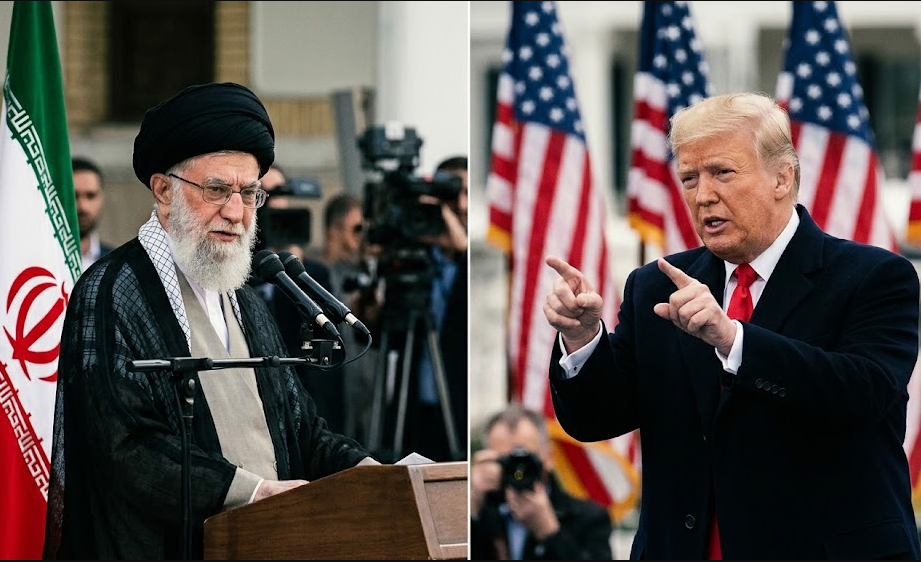
Iran’s negotiating team in Islamabad is not naive about Washington’s internal divisions. They are reading the same public statements, watching the same signals, and making their own calculations about which American interlocutor reflects actual Trump policy.
Rubio’s “I’m not sure you can reach a deal” comment landed in Tehran as a warning: the State Department does not fully support the negotiating framework the VP is operating within. Iranian FM Abbas Araghchi has responded by publicly praising Vance’s “constructive approach” while pointedly avoiding direct engagement with Rubio’s framing — a diplomatic signal that Tehran is deliberately reinforcing the VP at the Secretary of State’s expense.
This is textbook negotiating behavior: identify the most favorable interlocutor, empower them within the opposing delegation’s internal dynamics, and structure your engagement to make their position look like the path to agreement.
The Clock Decides
The Vance-Rubio debate will not be resolved by argument. It will be resolved by the April 21 ceasefire deadline — which arrives in seven days.
If Vance produces a framework agreement — even a partial one, even a phased enrichment freeze with ambiguous language — before April 21, his vision wins. Trump signs off. Rubio’s skepticism becomes a minority position inside an administration celebrating a deal.
If April 21 arrives without an agreement, Rubio’s warning becomes prescient. The ceasefire collapses. The naval blockade converts from a pressure tool to a war posture. And the administration’s Iran policy reverts to the maximalist framework Rubio never abandoned.
Trump is not publicly choosing between his VP and his Secretary of State. He rarely does, until the deadline forces his hand.
In seven days, the deadline will force his hand.
Market Analysis
A quick snapshot of market trends, customer behavior, and competitor movements.