Decoding The Trump Negotiation Playbook: Ultimatum to Ceasefire in 48 Hours
Theo Jorden
Share This Article
On the morning of April 5, 2026, Donald Trump posted a characteristically blunt warning on Truth Social: “Remember when I gave Iran ten days to MAKE A DEAL or OPEN UP THE HORMUZ STRAIT. Time is running out — 48 hours before all Hell will reign down on them.” Forty-eight hours later, the war paused.
On the morning of April 5, 2026, Donald Trump posted a characteristically blunt warning on Truth Social: “Remember when I gave Iran ten days to MAKE A DEAL or OPEN UP THE HORMUZ STRAIT. Time is running out — 48 hours before all Hell will reign down on them.”
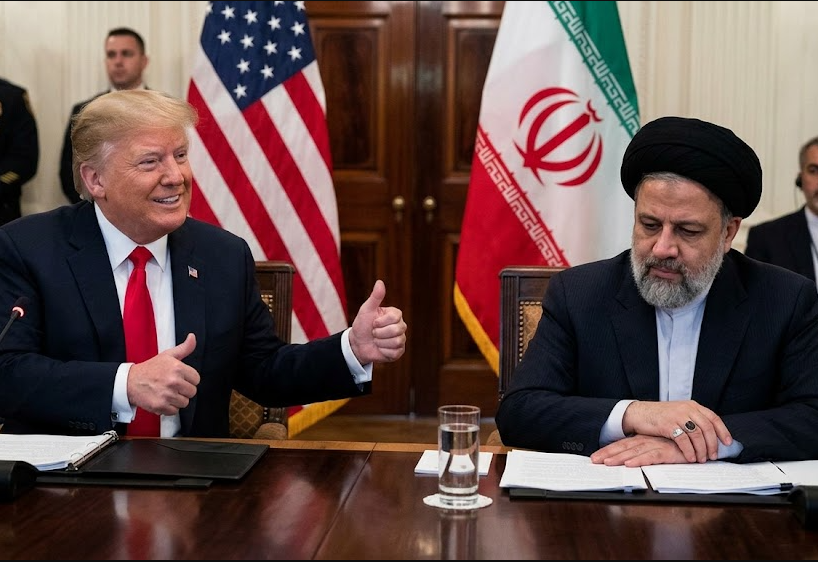
Forty-eight hours later, the war paused. A ceasefire was in place, brokered by Pakistan, with Iran agreeing to reopen the Strait of Hormuz and both sides scheduling peace talks in Islamabad. Trump declared total victory.
To outside observers, it looked like a dizzying, chaotic scramble. To anyone who has studied how Trump actually closes deals, it was a textbook execution of a five-part playbook he has been running — with remarkable consistency — across trade wars, NATO disputes, and now the most volatile military standoff of his presidency.
Here is how it works, step by step.
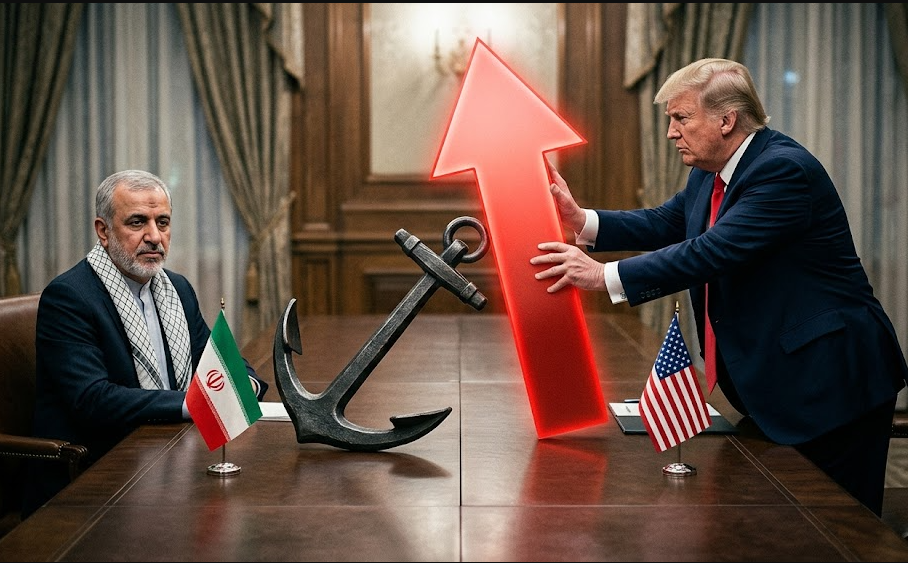
Step 1: Anchor Extremely High — Then Keep Pushing
Trump’s 1987 Art of the Deal laid out the doctrine plainly: “I aim very high, and then I just keep pushing and pushing to get what I want.” In the Iran context, the ceiling was set almost impossibly high — no uranium enrichment inside Iran, dismantlement of proxy militias, a full handover of enriched uranium stockpiles, and complete reopening of the Strait of Hormuz.
No serious analyst believed Tehran would accept all of it. That was the point. When the final deal lands well below the stated ceiling, it looks like a concession on Trump’s part — even when the actual gains are substantial. As The Nightly observed: “Trump is playing the Art of the Deal with Iran on a world scale.”
Step 2: Issue Deadlines — Then Extend Them
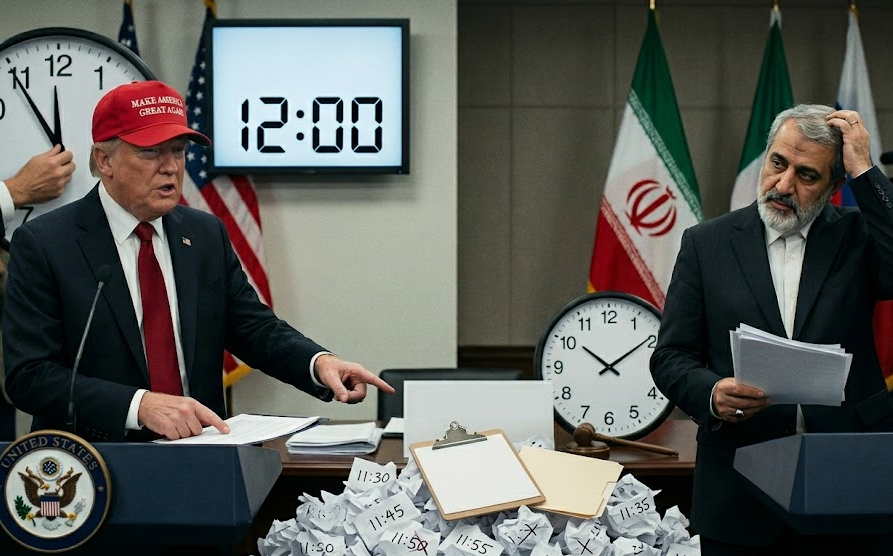
This is the move most often mistaken for weakness. PBS NewsHour documented at least three separate instances of Trump issuing Iran deadlines and then delaying them between March and April 2026.
March 21: Trump demanded Iran fully open the Strait within 48 hours or face strikes on power plants. Twelve hours before the deadline, he announced “productive conversations” and backed off.
March 30: He praised progress in talks while simultaneously broadening his threatened bombing list.
April 5: The final 48-hour ultimatum — his most menacing yet, threatening to destroy bridges and civilian infrastructure.
Each extension was framed not as retreat, but as evidence that negotiations were “going well.” The deadline serves a dual purpose: it creates urgency on the other side while giving Trump full control of the clock. He can escalate, extend, or resolve — always on his own terms.
Step 3: Maximize Rhetorical Shock Value
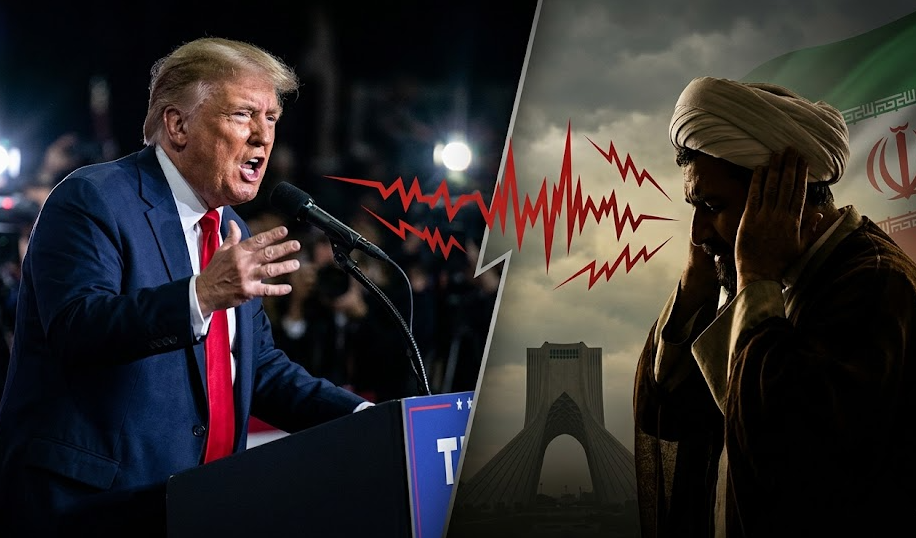
On the morning of April 7, Trump escalated to language that crossed into territory usually reserved for wartime commanders. He warned that “a whole civilization will die tonight, never to be brought back again.” Democrats called for the 25th Amendment. Allies in Europe issued emergency statements. Iran’s foreign ministry declared that “negotiation is in no way compatible with ultimatum.”
But this was precisely the intent. Treasury Secretary Scott Bessent described the approach as “strategic ambiguity” — calibrated volatility designed to make the adversary believe that the rational constraints other presidents operate under simply do not apply here. Trump’s ultimatum alarmed critics and even some allies, the Washington Post reported — but it also concentrated every decision-maker in Tehran, Islamabad, and Washington on a single, urgent variable: the 8 p.m. deadline.
Step 4: Keep a Back Channel Running at All Times
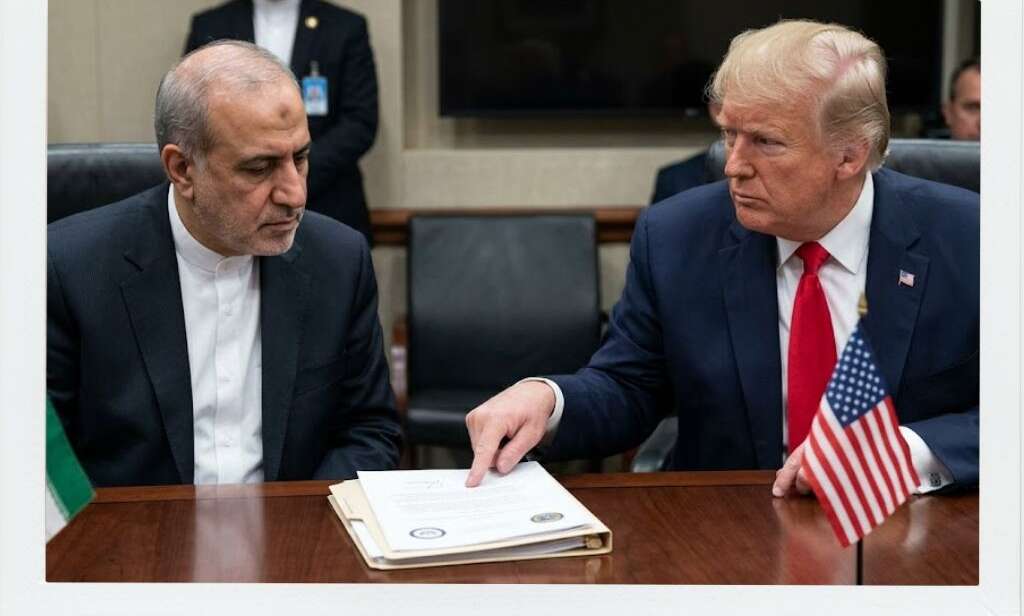
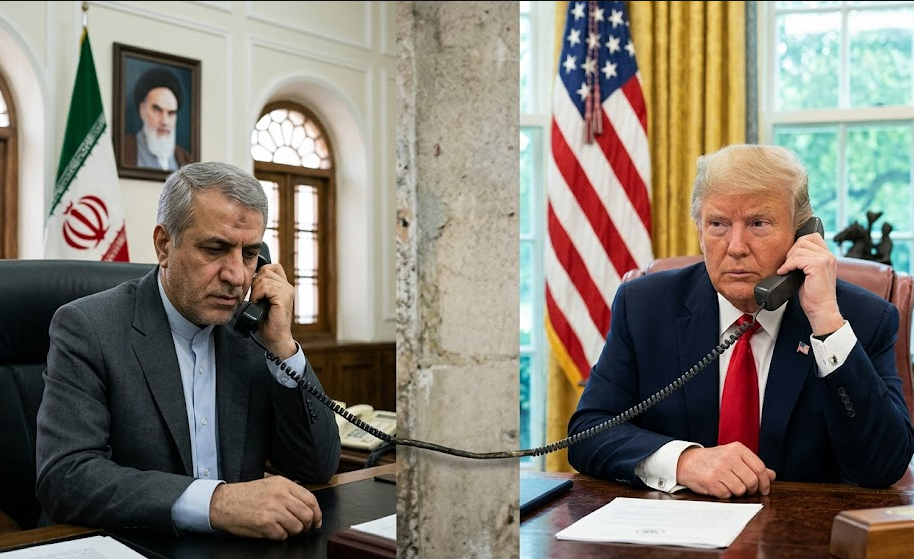
While the public rhetoric burned at maximum heat, the quiet machinery of dealmaking was already in motion. Overnight on April 6–7, a parallel negotiation track ran through Pakistani Army Chief Field Marshal Asim Munir, who connected directly with US Vice President JD Vance and special envoy Steve Witkoff. Iranian Foreign Minister Abbas Araghchi was also in the loop.
According to Axios and Al Jazeera, Pakistan formally proposed the two-week ceasefire framework just hours before Trump’s self-imposed deadline — after Vance and Witkoff had already advised the president to “take a deal if they could get one.” The public ultimatum created the pressure; the private channel built the exit ramp.
Step 5: Declare Total Victory — Regardless of the Final Terms
By 6:32 p.m. — ninety minutes before the deadline — Trump announced the ceasefire and called it a “total and complete victory.” White House Press Secretary Karoline Leavitt echoed the framing: military success had created maximum leverage, which Trump then converted into a diplomatic breakthrough.
Critics were quick to point out the ambiguities. Iran’s Persian-language version of its 10-point proposal still included “acceptance of enrichment” — a clause absent from English translations. Chatham House analysts called the agreement “extremely shaky and brittle.” Some on the left labeled it “capitulation dressed as a deal.”
But that critique misses the operational reality of the playbook. The goal of the 48-hour ultimatum was never to resolve every clause of a comprehensive nuclear treaty in real time. It was to force a decisive inflection point — from active war to negotiating table — where Trump holds the leverage and controls the narrative.
From Oman to Islamabad, from maximum pressure to a two-week ceasefire, the Iran play followed the same arc Trump has run in every high-stakes confrontation: compress time, maximize noise, keep a quiet exit open, then land the deal and own the headline.
Whether the Islamabad talks produce a lasting agreement is the next chapter. But the 48-hour sprint from civilization-ending threat to handshake? That wasn’t chaos. That was the playbook — running exactly as designed.
Oil & Energy Markets
A look at crude price swings, OPEC supply moves, and how energy markets react to geopolitical shocks.