Trump Just Used It to Close the Biggest Deal of 2026 – Is The Madman Theory Is Real ?
Theo Jorden
Share This Article
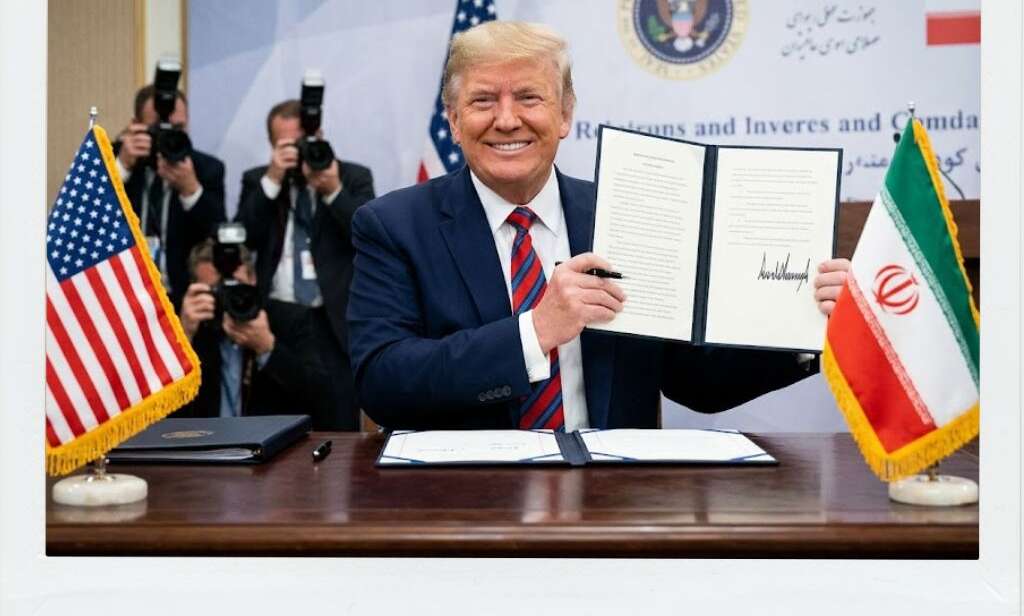
At 8 a.m. on April 7, 2026, Donald Trump posted on Truth Social that “a whole civilization will die tonight, never to be brought back again” if Iran didn’t reopen the Strait of Hormuz by his self-imposed deadline. By 6:32 p.m. — ninety minutes before that deadline — Iran blinked. A two-week ceasefire was announced,
At 8 a.m. on April 7, 2026, Donald Trump posted on Truth Social that “a whole civilization will die tonight, never to be brought back again” if Iran didn’t reopen the Strait of Hormuz by his self-imposed deadline. By 6:32 p.m. — ninety minutes before that deadline — Iran blinked. A two-week ceasefire was announced, brokered by Pakistan, and Trump declared it a “total and complete victory.”
To his critics, it looked like chaos. To students of diplomatic history, it looked like something else entirely: the Madman Theory — working, in real time, on the world stage.
The Ghost of Nixon – The Madman Theory was never Trump’s invention. It was Richard Nixon’s. Nixon’s chief of staff H.R. Haldeman recorded the president confiding: “I call it the Madman Theory, Bob. I want the North Vietnamese to believe I’ve reached the point where I might do anything to stop the war.” The logic is simple and ruthless — convince your adversary that you are irrational enough to do the unthinkable, and they will make concessions a rational opponent never could extract.
Trump has leaned into this playbook publicly. During the 2024 campaign, he cited unpredictability as a strategic asset against China over Taiwan and against Russia over Ukraine. Treasury Secretary Scott Bessent formalized the White House framing, calling Trump’s approach “strategic ambiguity” — a deliberate projection of volatility designed to keep adversaries perpetually off-balance. Iran became the ultimate test case.
The Escalation No One Was Supposed to Survive
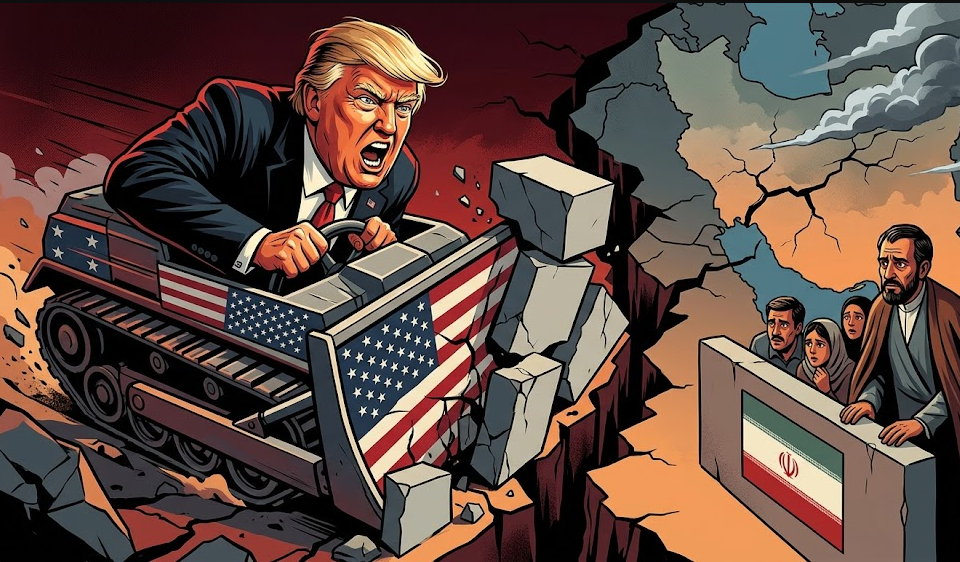
The path to this ceasefire was engineered through escalating shock. In early 2025, Trump relaunched maximum-pressure sanctions while sending a personal letter to Supreme Leader Khamenei proposing direct talks. Five rounds of Oman-mediated negotiations followed, went nowhere, and collapsed entirely when Israel — with US backing — launched devastating strikes on Iranian military and nuclear infrastructure in June 2025. By February 2026, US forces were striking Iranian targets directly.
Then came the rhetoric that alarmed even Trump’s allies. In an Easter social media post, Trump demanded Iran “Open the Fuckin’ Strait, you crazy bastards, or you’ll be living in Hell.” He threatened to destroy bridges, power plants, and civilian infrastructure. Democrats in Congress called for the 25th Amendment. European allies issued urgent warnings. Even some Republicans went quiet.
But that was the point. As the Christian Science Monitor noted, “the pattern is familiar: threaten dramatic action, gaining leverage, then announce a deal or enough progress to merit a delay.” Gulf News tracked the rhetorical arc from “Stone Age threats to Golden Age hopes” within a single news cycle. Trump had constructed a pressure corridor so extreme that the only exit was a deal.
The Deal Itself – Iran agreed to safe passage through the Strait of Hormuz in exchange for a two-week suspension of US strikes. Peace talks are now scheduled in Islamabad under Pakistani mediation. Iran’s 10-point proposal — which Trump called a “workable basis” — includes lifting sanctions, releasing frozen assets, and a recognized role in Hormuz governance. The US 15-point counter demands no nuclear enrichment on Iranian soil, a handover of enriched uranium stockpiles, and an end to proxy militia financing.
Crucially, Trump declared Iran had agreed to zero uranium enrichment — a claim Tehran has not fully confirmed, with its Persian-language proposal quietly including “acceptance of enrichment” in a clause that vanished from English translations. Chatham House analysts called the agreement “extremely shaky and brittle.”
Does the Theory Actually Work?
Scholars remain divided. The Harvard Belfer Center notes the Madman Strategy carries serious domestic costs — it destabilizes markets, alienates allies, and risks miscalculation. Foreign Policy pointed out that Nixon himself never secured the decisive North Vietnam concessions he sought. MIT’s Center for International Studies argued that “Trump’s madman act doesn’t work” because modern adversaries have become desensitized to rhetorical volatility.
Yet Newsweek observed that Iran may be proving Trump right — because this time, the threats were backed by 40 days of actual bombing, not just words. The credibility of the madman was established through action, not posture. That is a distinction even the theory’s critics cannot easily dismiss.
White House Press Secretary Karoline Leavitt put it plainly: “The success of our military created maximum leverage, allowing President Trump to engage in tough negotiations that created an opening for long-term peace.”
The Verdict – Whether the Islamabad talks produce a lasting agreement or another collapse, one thing is now undeniable: Trump used a combination of military force, extreme rhetoric, and last-minute dealmaking to bring Iran — a country that swore it would never negotiate under duress — to the table in less than two years.
Madman Theory. Strategic ambiguity. Chaos diplomacy. Call it what you want. In April 2026, it produced the biggest geopolitical deal of the year.
The question now isn’t whether it worked. The question is whether it will hold.
Oil & Energy Markets
A look at crude price swings, OPEC supply moves, and how energy markets react to geopolitical shocks.