Share This Article
Two attacks hours apart on Tuesday pushed the US–Iran war deeper into the world’s shipping lanes. Iran-backed Houthi Attack killed six people aboard a cargo ship in the Bab el-Mandeb strait, the first deaths from Red Sea shipping attacks in more than a year, and US forces struck a vessel they said was trying to break their blockade of Iran’s ports. Here is the latest US Iran war news, and what it means for two of the most important trade routes on the planet.
What Happened in the Red Sea
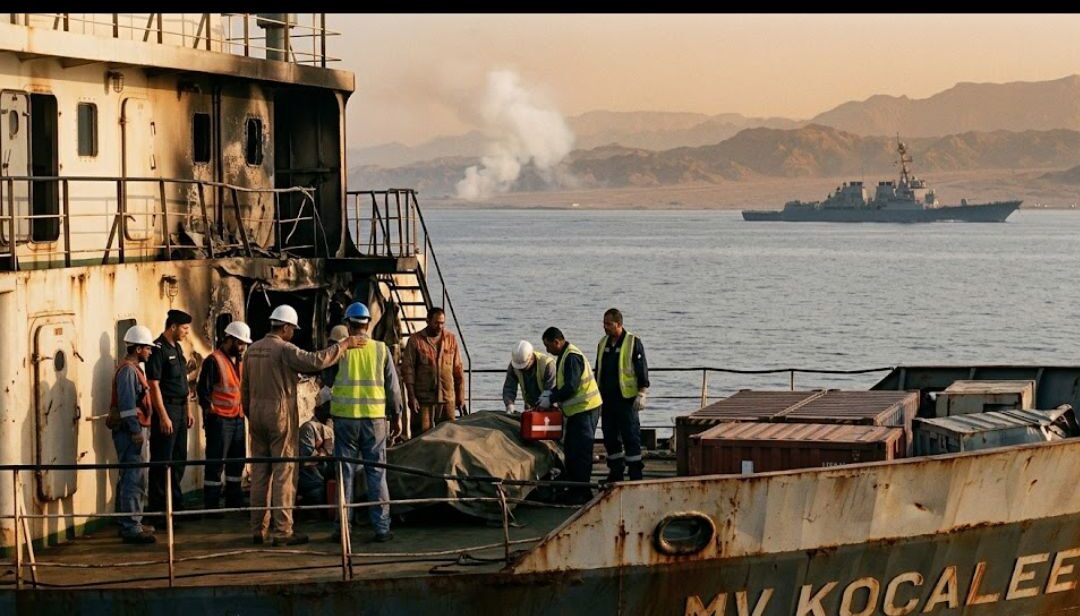
On Tuesday, Iran-backed Houthis fired ballistic missiles at a small cargo ship passing through the Bab el-Mandeb strait, the narrow gateway between the Red Sea and the Gulf of Aden. According to the transport ministry of Yemen’s internationally recognized government, three missiles hit the vessel, a food-carrying ship called the Tihamah, setting it on fire and killing members of its crew.
Yemeni authorities said the Houthis then struck the ship a second time, after rescue teams had arrived to evacuate it in a so-called “double-tap” attack. In total six people were killed: four crew members, reported to be three Pakistani nationals and one Indonesian, and two members of a Yemeni government-allied force who had come to help. Several others were injured. If the account holds, these are the first fatalities from Houthi attacks on Red Sea shipping in over a year.
Here are Some Related Blogs to Read
- NATO chief calls US strikes on Iran “absolutely necessary”
- Will gold rally as US-Iran tensions escalate
- Oil jumped but the market stayed calm
- 5 takeaways from Tuesday’s 2026 primaries
- US tariff system reset across 60 economies
- Trump tariffs Section 122 surcharge expires
- Trump had deliberately paused Hormuz operations to force Iran into a deal.
- JD Vance claims Hegseth has been misleading Trump on the Iran war.
- Iran has been digging out hidden missile stockpiles after rejecting Trump’s peace offer.
US Strikes a Ship Accused of Breaking the Iran Blockade
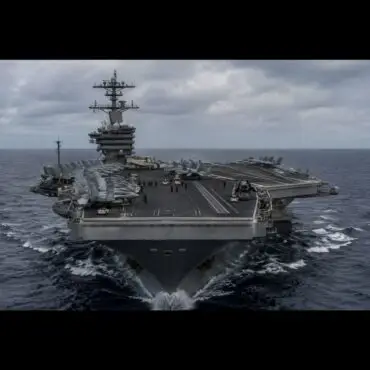
Almost simultaneously, US Central Command said American forces disabled the Panama flagged cargo vessel M/V Vela Nova in the Gulf of Oman. According to CENTCOM, the ship attempted to transit toward an Iranian port in violation of the US naval blockade against Iran. When the crew allegedly ignored repeated warnings, a Navy MH 60 helicopter fired two Hellfire missiles into the engine room, disabling the ship’s steering gear rather than sinking it.
This is part of a broader pattern of US enforcement. CENTCOM has said American forces have redirected more than 55 commercial vessels away from Iranian ports since the blockade resumed, disabled two ships, and boarded others to check compliance. President Trump has repeatedly claimed the US has “total control” of the Strait of Hormuz, insisting the situation is “going just absolutely fine,” even though shipping data continues to show traffic through the strait remains far below normal levels.
Why the Houthi Blockade Matters for Global Shipping
The houthi blockade and the parallel US Iran standoff over Hormuz are compounding each other. Bab el Mandeb and the Strait of Hormuz sit at opposite ends of the same energy corridor, and disruption to either one pushes insurance costs and freight rates higher across the region. Before the war began in February, the Strait of Hormuz alone carried roughly a quarter of the world’s seaborne oil trade and a fifth of global liquefied natural gas shipments.
With Iran refusing to fully reopen Hormuz until Washington meets its conditions, and the Houthis now escalating houthis attack ships activity in the Red Sea, carriers are increasingly boxed out of both routes. That has already pushed Brent crude above $83 a barrel and lifted US gas prices, even as the White House signals it may shift toward economic pressure rather than further strikes.
The Israel Front Adds Another Layer
The Houthi threat is not limited to shipping lanes. Since rejoining the conflict in late March, the group has periodically fired houthis missile israel strikes at what it calls “sensitive” military sites in southern Israel, tying its Red Sea campaign directly to the broader Iran aligned “axis of resistance” that also includes Hezbollah and Iraqi militias. Most of these missiles have been intercepted by Israeli air defenses, but the recurring launches keep Israel, the US, and Gulf allies stretched across multiple fronts at once, which analysts say makes de escalation in Hormuz and the Red Sea harder to achieve simultaneously.
What Comes Next in the Trump US Iran War
Diplomatically, the picture remains stuck. Iran’s foreign ministry has said there is no possibility of restarting negotiations while the US blockade continues, and Trump has added a new condition of his own, demanding compensation from Iran for what he calls past misdeeds. For now, both the Trump-US Iran war standoff over Hormuz and the Houthi campaign in the Red Sea appear likely to continue in parallel, with commercial shipping caught in the middle.
The wider picture in Yemen
The deadly strike on the Tihamah came alongside a broader surge of Houthi attacks inside Yemen, including on the government-held Red Sea port city of Mokha. Yemeni military accounts say dozens of government troops and civilians have been killed in fighting there over the past week. The maritime attacks, in other words, are one front of a conflict that is also intensifying on land.
Frequently Asked Questions
What is the latest US Iran war news today?
As of 12 August 2026, Iran-backed Houthis killed six people in a missile attack on a cargo ship in the Bab el-Mandeb strait, and US forces separately struck a vessel they said was attempting to breach their blockade of Iran’s ports in the Gulf of Oman. The war is in its sixth month, and diplomats are signaling limited progress toward reopening the Strait of Hormuz.
Are the Houthis attacking the Strait of Hormuz?
No. This is a common point of confusion. The Houthis operate from Yemen and attack shipping in the Bab el-Mandeb strait, the Red Sea and the Gulf of Aden. The Strait of Hormuz, at the entrance to the Persian Gulf, is a separate chokepoint controlled by the Iran–US standoff, not by Houthi forces. Both waterways are disrupted right now, which is why they are often mentioned together.
What is the Houthi blockade?
The Houthis declared a blockade last month targeting shipping they associate with their adversaries, threatening vessels transiting the Bab el-Mandeb and Red Sea. Separately, the United States has imposed its own blockade on Iran’s ports, which is what led US forces to strike the container ship in the Gulf of Oman. The two blockades are distinct.
Have the Houthis fired missiles at Israel?
Yes. Since the US and Israel launched the war on Iran in late February 2026, the Houthis have periodically fired missiles toward Israel, most of which Israel says it has intercepted. Their campaign has targeted both Israel and international shipping, which they frame as linked to the wider conflict.
Why do Houthi attacks on ships affect prices far away?
The Bab el-Mandeb and the Suez Canal beyond it form one of the busiest trade routes between Asia, the Middle East and Europe. When attacks force ships to avoid it, they take a much longer route around Africa, raising shipping costs. With the Strait of Hormuz also disrupted, the combined effect pushes oil and freight prices higher worldwide.
How much has Red Sea shipping dropped?
Traffic through the Bab el-Mandeb and Red Sea had already fallen by more than half compared with pre-2023 levels, and has declined further since the Houthis announced their latest blockade, with the daily number of transiting vessels dropping sharply over the past month.
What caused the Houthi attack in the Red Sea?
Yemeni officials say Houthi forces fired ballistic missiles at the cargo ship Tihamah in the Bab el Mandeb Strait, an attack tied to the maritime blockade the group declared against Saudi Arabia on July 20, in coordination with Iran’s broader closure of regional shipping lanes.
How many people were killed in the Houthi attack?
Yemen’s coastguard reported six deaths total, four crew members aboard the Tihamah, three Pakistani nationals and one Indonesian national, plus two members of the National Resistance Forces killed during the rescue effort.
Why did the US strike a container ship in the Gulf of Oman?
CENTCOM said the M/V Vela Nova ignored warnings while trying to reach an Iranian port in violation of the US naval blockade of Iran, prompting a Navy helicopter to disable its steering gear with two Hellfire missiles.
Is the Strait of Hormuz open right now?
Trump has claimed the US controls the strait and that it is open, but Iran says it will stay closed until its conditions are met, and independent shipping data shows traffic through Hormuz remains well below pre war levels.
Have the Houthis fired missiles at Israel during this war?
Yes. Since late March the Houthis have periodically launched ballistic missiles at what they describe as military targets in southern Israel, most of which have been intercepted, as part of their coordination with Iran’s wider campaign.
How is the Houthi blockade affecting oil prices?
Combined disruption from the Houthi blockade in the Red Sea and the Hormuz standoff has pushed Brent crude above $83 a barrel and contributed to higher US gasoline prices.
References and Sources
Outbound links to primary and reputable reporting. Link these inline in the body where cited, and list them here.
- CNBC – “Houthi attack kills six in first fatalities in Red Sea in over a year; U.S. strikes containership“
- CNN – August 11, 2026 Middle East conflict live coverage
- PBS NewsHour – “Iranian-backed Houthis kill 6 in attack on vessel, and other developments in the Mideast“
- France 24 – “At least six killed in suspected Houthi attack on Egyptian ship in the Red Sea”
- Kpler shipping data (via France 24) – Bab el-Mandeb daily transit figures

Oil & Energy Markets
A look at crude price swings, OPEC supply moves, and how energy markets react to geopolitical shocks.

Geopolitics & Conflict
Breaking down how wars, ceasefires, and diplomatic deals ripple through global trade and security.
US Foreign Policy
Coverage of Trump administration negotiations, sanctions, and strategic decisions shaping world events.
Economy & Inflation
Tracking how commodity prices, gas costs, and supply chains affect everyday consumers.