Share This Article
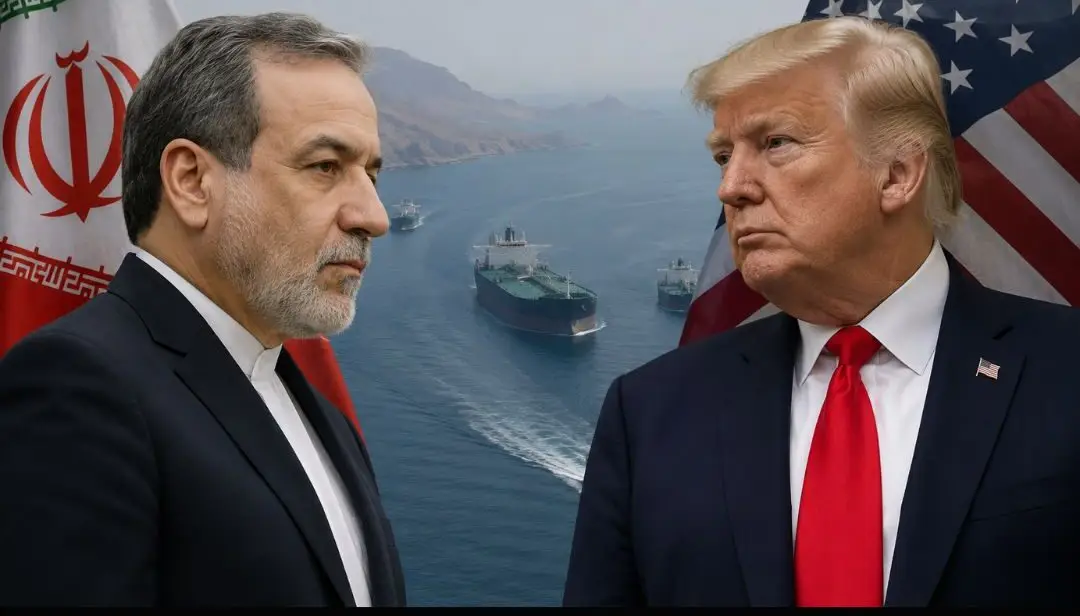
A memorandum of understanding meant to end nearly four months of war and finally reopen the Strait of Hormuz is scheduled for signature on June 19. But with the ink not yet dry, Iran’s Foreign Minister Abbas Araghchi has issued a pointed warning: the US-Iran agreement is conditional, fragile, and could collapse if Israel does not pull back from Lebanon.
The warning lands at a precarious moment. Pakistani Prime Minister Shehbaz Sharif announced on June 14 that the US and Iran had finalized the memorandum, intended to formally end the conflict within 60 days. Yet the days since have been anything but settled, raising fresh questions about whether the long-awaited Hormuz reopening will actually hold.
What the US-Iran Agreement Promises
According to terms reported by multiple outlets and confirmed by sources familiar with the text, the memorandum would reopen the Strait of Hormuz immediately and without tolls, restoring prewar shipping patterns within roughly 30 days. It would also lift the U.S. naval blockade of Iranian ports and extend the underlying ceasefire by 60 days while final-stage talks address the conflict’s hardest issues: Iran’s nuclear program and the lifting of sanctions.
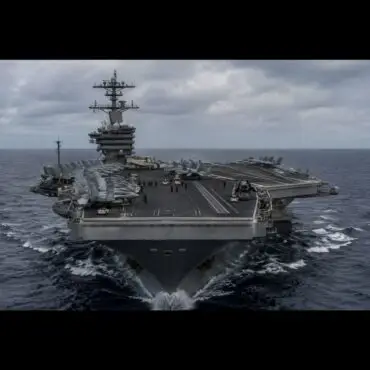
President Trump moved quickly on his end of the bargain. He posted on Truth Social that he was authorizing “the immediate removal of the United States Naval blockade.” However, the Joint Maritime Information Center the multinational naval body overseeing the blockade clarified that it would remain in place until Friday, “pending execution” of the ceasefire terms.
Speaking with foreign ambassadors in Tehran, Araghchi confirmed the broad strokes of the deal but added a warning that has rattled markets and diplomats alike: Iran’s “sword will remain poised over the Strait of Hormuz indefinitely,” according to Iran’s semiofficial Fars news agency.
Why the Deal Could Still Collapse
The fault line running through the entire agreement is Lebanon. Araghchi has explicitly tied the survival of the US-Iran deal to Israeli conduct there, stating that continued Israeli military presence would constitute a breach of the memorandum. “The Iran–U.S. ceasefire terms are clear and explicit: the U.S. must choose ceasefire or continued war via Israel. It cannot have both,” Araghchi said in an earlier post that foreshadowed this week’s tension.
The risk is not theoretical. On June 7, an Israeli strike on Beirut’s southern suburbs killed five people and wounded eight in Tyre, prompting Iran to warn it would resume suspended operations against Israel if strikes in southern Lebanon continued, according to CNN’s live coverage of the ceasefire crisis. Renewed Israeli strikes near Beirut on June 14 the very day the MOU was announced reportedly prompted Iran to consider retaliating again, with U.S. intervention narrowly preventing that response from derailing the agreement before it was even signed.
Israel, notably, is not a direct party to the US-Iran agreement and has signaled no intention of changing course. Israel’s defense minister said as recently as Monday that the country would not withdraw from territory it has seized in Lebanon a position that directly contradicts what Tehran says is a precondition for honoring the deal.
Skepticism From Washington and the Gulf
The deal collapse risk isn’t only coming from Tehran. Senator Lindsey Graham warned on social media that terms described by Iranian media would be “awful” if accurate, insisting that Trump’s “red line” on nuclear enrichment must hold firm. Iran’s top negotiator, Mohammad Bagher Ghalibaf, has separately pledged that Iran will “defeat” the U.S. naval blockade of its ports regardless of diplomatic outcomes, according to Iran’s Tasnim News Agency.
Shipping industry voices remain similarly unconvinced. The world’s largest tanker operators have publicly cautioned against a premature Hormuz reopening, even after the U.S. and Iran reached agreement in principle — citing the need for sustained transit volumes and verified physical safety before insurance premiums and operations normalize.
Senator Raphael Warnock voiced a broader frustration shared by critics of the administration’s handling of the conflict: “The Strait of Hormuz, they’re saying, will be reopened. Well, it was open before he started the war. And we are a long way from what Donald Trump promised and what it looks like he’s going to deliver.”
What Comes Next
Oman’s Foreign Minister Badr Albusaidi and Araghchi spoke by phone this week and reaffirmed what both sides describe as a shared “commitment to international law regarding the safe and free passage of maritime traffic through the Strait of Hormuz” language that signals continued diplomatic engagement even amid the uncertainty.
Still, even optimistic timelines acknowledge the road ahead is long. Analysts caution that even if the strait fully reopens on schedule, it will likely take months for the broader global energy crisis triggered by its closure to ease, given the scale of stranded shipping and disrupted supply chains built up over nearly four months of disruption.
For now, all eyes are on June 19 and on whether events in Lebanon, more than anything written in the Hormuz memorandum itself, determine whether the US-Iran deal survives long enough to be signed at all.

Oil & Energy Markets
A look at crude price swings, OPEC supply moves, and how energy markets react to geopolitical shocks.

Geopolitics & Conflict
Breaking down how wars, ceasefires, and diplomatic deals ripple through global trade and security.
US Foreign Policy
Coverage of Trump administration negotiations, sanctions, and strategic decisions shaping world events.
Economy & Inflation
Tracking how commodity prices, gas costs, and supply chains affect everyday consumers.