Israel has struck Beirut for the first time since a ceasefire was declared with Hezbollah last month — killing the commander of the militant group’s most elite fighting unit and triggering an immediate exchange of fire across Lebanon’s southern border, even as fragile US-Iran peace talks hang in the balance. In the early hours of
Israel has struck Beirut for the first time since a ceasefire was declared with Hezbollah last month — killing the commander of the militant group’s most elite fighting unit and triggering an immediate exchange of fire across Lebanon’s southern border, even as fragile US-Iran peace talks hang in the balance.
In the early hours of May 7, 2026, Israeli warplanes carried out a precision airstrike on the Dahiyeh neighbourhood in Beirut’s southern suburbs — a Hezbollah stronghold — killing Ahmad Ghaleb Balout, the operational commander of Hezbollah’s elite Radwan Force. It was the highest-ranking Hezbollah official killed by Israel since November 2025, and the first Israeli strike on Beirut’s capital in nearly a month.
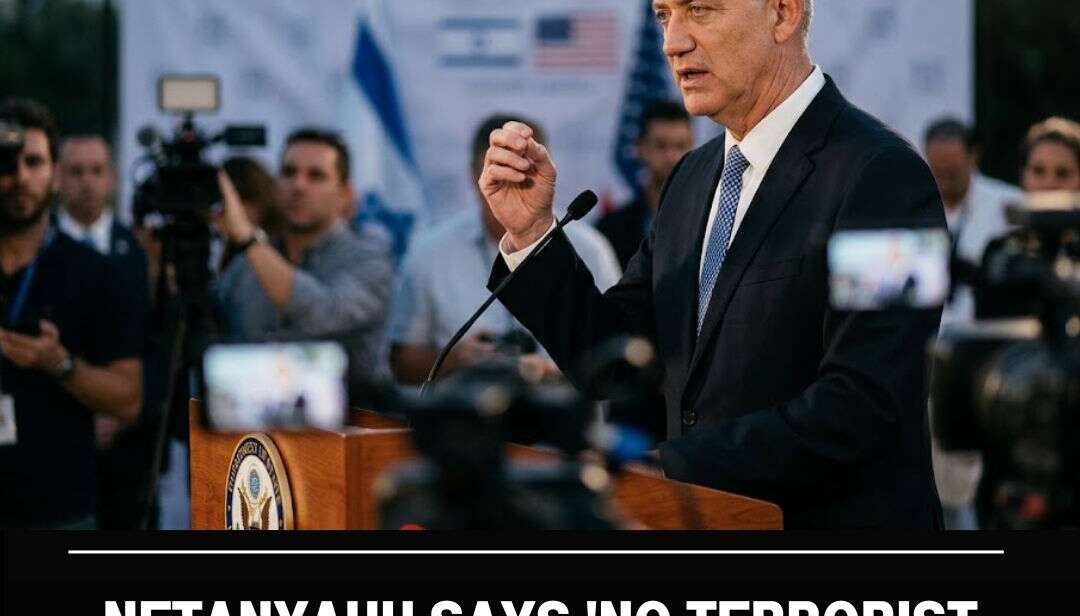
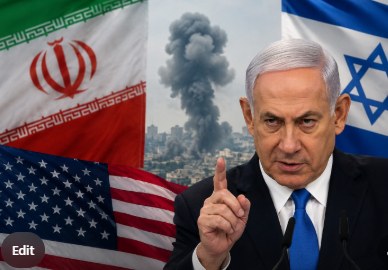
Prime Minister Benjamin Netanyahu claimed responsibility without hesitation.
“No terrorist has immunity. Anyone who threatens the State of Israel will pay the price,” Netanyahu declared, in language that drew a direct line from the strike to Israel’s broader posture across every front of the conflict.
Who Was Ahmad Ghaleb Balout?
The Radwan Force is Hezbollah’s most feared and operationally sophisticated unit — a Special Forces division trained for ground infiltration, cross-border raids, and large-scale offensive operations inside Israeli territory. Balout had served in multiple senior roles within the force over several years, most recently as its head of operations.
According to the IDF, Balout was directly responsible for directing dozens of attacks against Israeli troops in southern Lebanon, including anti-tank missile strikes and explosive-device operations targeting military positions near the border. Crucially, Israeli intelligence assessed that Balout was actively working to rebuild the Radwan Force’s operational capacity following the devastating losses Hezbollah suffered in earlier phases of the conflict — including the revival of the group’s long-planned “Conquer the Galilee” invasion strategy, a scenario modelled on the October 7 Hamas attacks against Israeli communities.
The same strike also killed two additional senior Hezbollah commanders: Muhammad Ali Bazi, the regional chief of intelligence for the Nasr division, and Hussein Hassan Romani, Hezbollah’s Aerial Defense Chief — making it one of the most significant single targeting operations Israel has executed against Hezbollah’s command structure in the current war.
Hezbollah Strikes Back, Ceasefire Frays Further
Hezbollah’s response came swiftly. The group launched a barrage of armed explosive drones at Israeli soldiers in southern Lebanon, drawing a sharp rebuke from IDF spokesman Col. Avichay Adraee, who warned:
“In light of Hezbollah’s violations of the ceasefire agreement, the IDF is forced to act against it with force.”
The exchange laid bare what analysts and CBC News had already described as a ceasefire that exists “in name only” — a fragile understanding honoured more in rhetoric than in reality on either side of the border. Both Israel and Hezbollah have continued to trade strikes and threats across Lebanon’s south since the nominal ceasefire with Hezbollah was declared on April 17, 2026.
Iran’s Pressure on the Peace Process
The Beirut strike landed at one of the most sensitive diplomatic moments since the war began. As the IDF confirmed the killing on May 7, US negotiators were awaiting Iran’s formal response to a 14-point memorandum of understanding — a one-page framework designed to end the broader US-Iran war, reopen the Strait of Hormuz, and trigger 30-day nuclear talks.
Iran’s position throughout the negotiations has been unambiguous: a full ceasefire in Lebanon is a prerequisite for any lasting peace deal. Tehran has urged Hezbollah to maintain enough military pressure to ensure Lebanon is not negotiated away, while simultaneously signalling to Washington that it wants a deal. Israel’s strike on the Radwan commander — killing the man tasked with rebuilding Hezbollah’s most offensive capabilities — fits into a pattern of Israeli actions designed to ensure that no ceasefire, whether in Beirut or Tehran, allows its enemies to rearm.
Netanyahu has been explicit about this calculation. Briefing his security cabinet on May 6, he confirmed that he would speak directly to Trump about the Iran negotiations, reiterating that both leaders agreed all enriched uranium must leave Iran and that Israel’s red lines would not be softened by any external diplomatic framework.
A Warning Heard Beyond Beirut
Israel’s message with the Balout strike is layered and deliberate. To Hezbollah, it signals that ceasefire declarations do not confer protection on operational commanders rebuilding offensive capabilities. To Tehran, it signals that Israel will continue to act on its own security calculus regardless of US-Iran diplomatic timelines. And to Washington, it is a reminder that Israel — excluded from the Pakistan-mediated negotiations — retains its own veto over what a durable peace in the region can actually look like.
As Netanyahu put it: no terrorist is immune. In a region where every targeted killing carries the weight of the next war, that statement is both a declaration of principle and a warning of what comes next.
Market Analysis
A quick snapshot of market trends, customer behavior, and competitor movements.