Share This Article
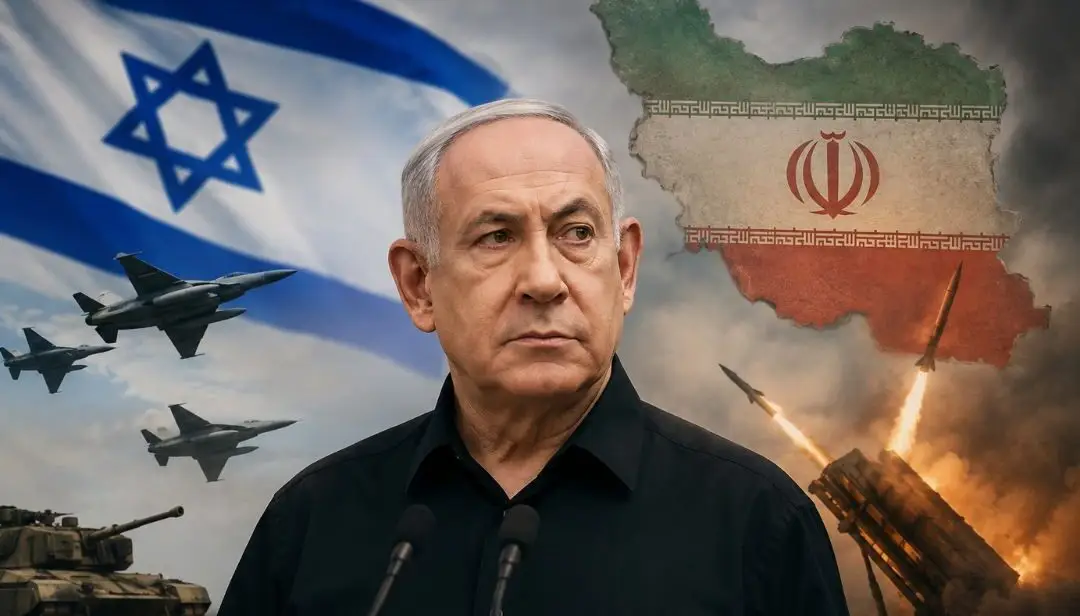
As the United States and Iran edge toward a war-ending memorandum, Israel’s Prime Minister Benjamin Netanyahu has stepped out of an unusually prolonged public silence to deliver an unmistakable message: Israel has not stood down, has not been sidelined, and is prepared to return to battle at any moment if the emerging deal falls short of its core demands.
In a carefully worded but pointed public statement followed swiftly by a call to US President Donald Trump Netanyahu made clear that Jerusalem is watching the Pakistan-mediated peace talks with intense scrutiny, and that Israel’s definition of an acceptable agreement does not leave room for ambiguity.
“We are prepared for any scenario,” Netanyahu declared, confirming he had directed the Israel Defense Forces and all security agencies to maintain full operational readiness. “Our finger remains on the trigger. This is not the end of the campaign, but a step along the way to achieving all our objectives.”
The Core Israeli Demand: Zero Enriched Uranium in Iran
At the heart of Netanyahu’s intervention is a demand that goes further than even some positions within the Trump administration. Israel insists that all of Iran’s highly enriched uranium must be physically removed from Iranian soil not simply placed under monitoring, not capped, not diluted in place, but extracted entirely and transferred to a third country.
Here are Some Related Blogs to Read
- NATO chief calls US strikes on Iran “absolutely necessary”
- Will gold rally as US-Iran tensions escalate
- Oil jumped but the market stayed calm
- 5 takeaways from Tuesday’s 2026 primaries
- US tariff system reset across 60 economies
- Trump tariffs Section 122 surcharge expires
- Trump had deliberately paused Hormuz operations to force Iran into a deal.
- JD Vance claims Hegseth has been misleading Trump on the Iran war.
- Iran has been digging out hidden missile stockpiles after rejecting Trump’s peace offer.
“We have full coordination, there are no surprises,” Netanyahu said following his conversation with Trump, adding that both leaders had agreed that all enriched material must leave Iran and that the country’s enrichment capabilities must be dismantled a position that sets a significantly higher bar than the current MOU framework being negotiated, which focuses on a moratorium of between 12 and 15 years rather than permanent elimination.
The distinction matters enormously. Iran has drawn a firm red line of its own: domestic uranium enrichment is non-negotiable, and its existing stockpile of highly enriched uranium will not be transferred abroad. The emerging compromise potentially placing the stockpile in Chinese custody remains deeply contested, and Netanyahu’s framing of the Israeli position signals that Jerusalem would view any deal that leaves enrichment infrastructure intact as fundamentally insufficient.
Israel at the Table Without a Seat
One of the most consequential features of the current diplomatic process is what is absent from it: Israel. The nation that co-launched the February 28 war against Iran alongside the United States has not been represented in the Pakistan-brokered peace talks in Islamabad. Pakistan, which serves as the primary channel between Washington and Tehran, does not formally recognise Israel a structural exclusion that has created a growing source of tension between Jerusalem and Washington.
Netanyahu convened his security cabinet on May 6 as reports emerged that the US and Iran were closing in on a one-page memorandum of understanding. Aides described the session as an urgent review of the latest diplomatic developments, and the Prime Minister’s subsequent call to Trump was his most direct attempt yet to ensure that Israeli red lines were embedded in any agreement before it was signed.
Despite the structural exclusion from formal talks, Netanyahu has sought to exert influence through the US-Israel back channel. Trump has maintained that the two governments share “common goals,” and officials in both capitals have emphasised that no deal will be presented to Iran without prior Israeli coordination. Whether that coordination will be sufficient to reflect Israel’s harder line on enrichment or whether Washington will accept a compromise that falls short of full dismantlement remains the defining question.
A War That Changed the Region, and Its Unfinished Business
Israel entered the war on February 28 with a clear set of objectives: eliminate or severely degrade Iran’s nuclear programme, destroy its ballistic missile capabilities, weaken Tehran’s network of regional proxies including Hezbollah and potentially precipitate regime change in Tehran. Nearly 70 days later, with a ceasefire in place and peace talks accelerating, the ledger of achievements is contested.
Iran’s nuclear infrastructure sustained significant damage in the initial strikes. Supreme Leader Ali Khamenei was killed. Hezbollah has been significantly weakened, and Israeli and Lebanese officials have been in parallel talks on a political settlement. But Iran’s enrichment capacity was not eliminated, its stockpile of highly enriched uranium remains inside its borders, and the IRGC continues to operate launching drone and missile attacks on US Navy assets as recently as May 4, before the Project Freedom pause.
Netanyahu’s statement that Israel is “ready to return to combat at any moment” is not rhetorical. The IDF has maintained forward deployment throughout the ceasefire period, and Israeli officials have been explicit that a deal which preserves Iranian nuclear infrastructure would be treated as a strategic failure one that could trigger unilateral Israeli action regardless of what Washington and Tehran agree.
The Risk of a Deal Israel Refuses to Accept
The emerging US-Iran memorandum may satisfy Trump’s political and economic imperatives ending an unpopular war, reopening the Strait of Hormuz, securing a nuclear moratorium without satisfying Israel’s deeper security requirements. That gap, if it widens, carries real consequences.
Israel has acted unilaterally in the past against nuclear threats it regarded as existential. Netanyahu’s public framing of the current moment measured, coordinated with Washington, but firm on red lines reads as a warning to both Tehran and the White House: the next phase of negotiations must produce something durable, verifiable, and genuinely disarming. Anything less, and Israel reserves the right to define its own response.
For now, Netanyahu is watching. But he has made certain that everyone knows he is watching closely.

Oil & Energy Markets
A look at crude price swings, OPEC supply moves, and how energy markets react to geopolitical shocks.

Geopolitics & Conflict
Breaking down how wars, ceasefires, and diplomatic deals ripple through global trade and security.
US Foreign Policy
Coverage of Trump administration negotiations, sanctions, and strategic decisions shaping world events.
Economy & Inflation
Tracking how commodity prices, gas costs, and supply chains affect everyday consumers.