As the United States wages the Iran war on one front and a naval blockade in the Persian Gulf on another, the Justice Department made clear on April 29, 2026, that Washington is fighting a very different but equally consequential battle much closer to home. In a sweeping indictment unsealed in Manhattan federal court, US
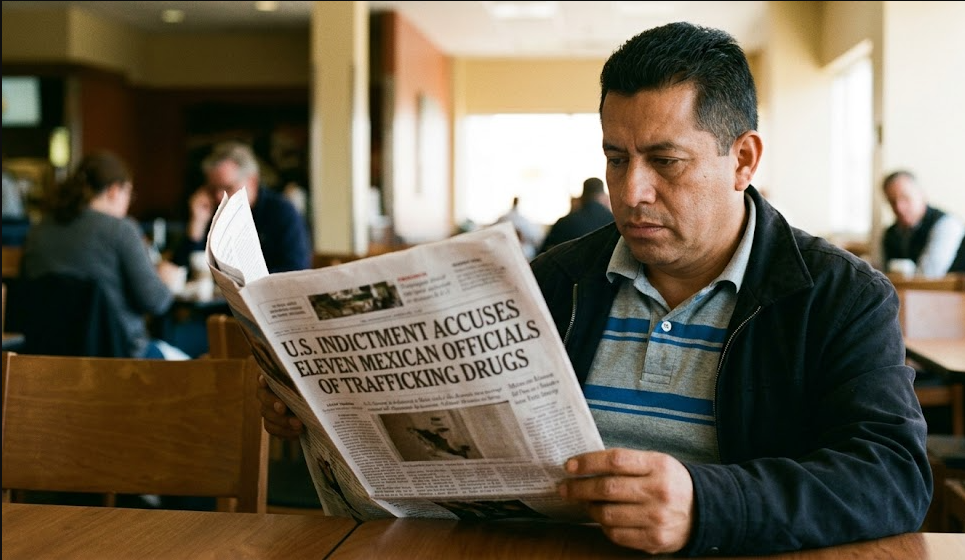
As the United States wages the Iran war on one front and a naval blockade in the Persian Gulf on another, the Justice Department made clear on April 29, 2026, that Washington is fighting a very different but equally consequential battle much closer to home. In a sweeping indictment unsealed in Manhattan federal court, US prosecutors charged the sitting governor of Mexico’s Sinaloa state and nine other current and former Mexican officials with drug trafficking, weapons offences, and deep-rooted corruption that allegedly gave one of the world’s most dangerous cartels direct access to the Mexican government itself.
The charges represent one of the most significant US legal actions against sitting Mexican officials in decades — and have sent shockwaves through both countries’ political establishments.
The Indictment: Who Is Charged and What They Are Accused Of
The lead defendant is Rubén Rocha Moya, who has served as Governor of Sinaloa since November 2021. He is joined by nine other current and former government and law enforcement officials from the state, named in the indictment as: Enrique Inzunza Cazarez, Enrique Diaz Vega, Damaso Castro Zaavedra, Marco Antonio Almanza Aviles, Alberto Jorge Contreras Nunez, Gerardo Merida Sanchez, Jose Antonio Dionisio Hipolito, Juan de Dios Gamez Mendivil, and Juan Valenzuela Millan.
According to the US Drug Enforcement Administration, which co-led the investigation, the defendants are accused of conspiring with the Sinaloa cartel — specifically the “Los Chapitos” faction, led by the sons of notorious drug lord Joaquín “El Chapo” Guzmán — to import massive quantities of fentanyl, cocaine, and other narcotics into the United States. The drugs were routed through Arizona and other border states before being distributed across American cities.
The Corruption: Patrol Cars, Radios, and Monthly Bribes
The details of the alleged corruption are staggering in their specificity. According to the indictment, the officials did not merely look the other way — they actively handed the cartel the keys to the state’s law enforcement infrastructure.
One unnamed law enforcement official allegedly received $11,000 per month in cartel payments in exchange for preventing arrests and providing advance warnings whenever US-backed operations were being planned in the region. A high-level police commander is accused of accepting $41,000 per month, a sum he distributed among himself and other officers under his command. In exchange, the cartel was granted what prosecutors describe as “full access to the intelligence, operations, and resources” of the police department — including the use of official patrol cars and police radios.
In total, the defendants are alleged to have received millions of dollars collectively from the Chapitos. The arrangement allegedly allowed the cartel to operate with near-total impunity across Sinaloa — the birthplace of the cartel that bears the state’s name.
Political Bombshell: Links to Mexico’s Ruling Party
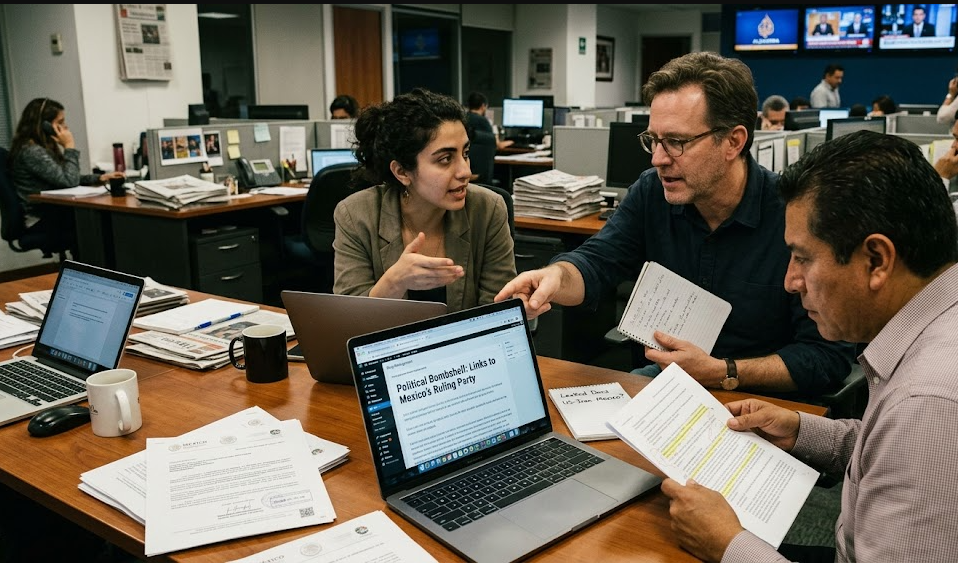
The political fallout in Mexico is immediate and severe. At least three of the defendants — Governor Rocha, the mayor of Sinaloa’s state capital, and a sitting senator — are affiliated with Morena, the ruling political party of Mexican President Claudia Sheinbaum. The charges place the Sheinbaum administration in an acutely uncomfortable position, forcing her government to either distance itself from high-profile allies or risk being seen as defending officials accused of enabling one of the world’s most lethal drug trafficking operations.
Governor Rocha responded swiftly and defiantly. In a post on X, he stated he “categorically and completely rejects” the accusations, calling them “baseless” and describing the indictment as “part of a perverse strategy to violate Mexico’s constitutional order, specifically on national sovereignty.” He characterised the charges as a political attack on Morena and its leadership — framing the indictment as a US interference in Mexican domestic affairs rather than a law enforcement action.
Washington’s Dual War: Iran Abroad, Fentanyl at Home
The timing of the indictment is notable. Even as the Trump administration manages the complex diplomacy of the US Iran war — extending ceasefires, maintaining naval blockades, and fielding calls from Vladimir Putin — the Justice Department is simultaneously prosecuting what amounts to a war and Iran-level national security threat on American soil: the fentanyl crisis.
Fentanyl, largely manufactured using Chinese precursor chemicals and trafficked into the United States through Mexican cartel networks based in Sinaloa, killed tens of thousands of Americans last year alone. The indictment makes the case that this crisis is not merely a law enforcement failure — it is a product of systematic, state-level corruption in which elected Mexican officials allegedly sold their institutions to criminal enterprises.
The US war with Iran has dominated global headlines for months. But for communities across Arizona, California, and the American heartland, the war being waged by the Sinaloa cartel — with alleged assistance from the very officials sworn to stop it — is no less real, and no less deadly.
What Happens Next
None of the ten defendants are currently in US custody. Extradition from Mexico remains a politically fraught process, and Governor Rocha’s status as a sitting elected official complicates the legal path further. Mexico’s constitution provides significant protections for elected officials against foreign legal proceedings.
The DEA and Department of Justice have made clear they intend to pursue the case aggressively, and the indictment is expected to intensify already-strained diplomatic relations between Washington and Mexico City at a moment when both governments are navigating tariff disputes, border policy tensions, and the broader pressure of America’s foreign policy focus on the Iran war.
Market Analysis
A quick snapshot of market trends, customer behavior, and competitor movements.