Share This Article
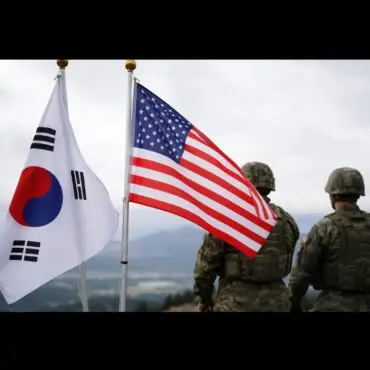
The United States military’s largest combatant command is shedding a name it has carried for less than a decade. On Tuesday, June 16, the Department of War announced that U.S. Indo-Pacific Command (USINDOPACOM) will officially revert to its original designation, U.S. Pacific Command (USPACOM) quietly closing the book on a 2018 rebrand that once symbolized Washington’s deepening ties with New Delhi.
The announcement, made from the command’s headquarters at Camp H.M. Smith in Hawaii, marks one of the more unexpected institutional shifts to emerge from a Pentagon already reshaping itself amid the fallout of the ongoing US-Iran standoff and the broader transformation of the Department of Defense into the Department of War.
A Name With History
USPACOM is not a new entity reinventing itself it’s an old one reclaiming its identity. The command was originally established on January 1, 1947, by President Harry S. Truman, making it the oldest and largest of the United States’ unified combatant commands. For more than 70 years, it operated under the USPACOM banner, coordinating joint military operations during the Korean War and the Vietnam War, while building the security architecture that has underpinned the Pacific region since the end of World War II.
That changed in May 2018, when then-Defense Secretary James Mattis renamed the command U.S. Indo-Pacific Command. At the time, Mattis framed the shift as recognition of “the increasing connectivity between the Indian and Pacific Oceans,” explicitly citing the United States’ growing defense partnership with India. The change was widely interpreted as a symbolic counterweight to China’s rising assertiveness in the region, with Mattis describing the command’s reach as stretching “from Hollywood to Bollywood.”
Now, eight years later, the Department of War says the “Indo” is going not because the partnership with India has weakened, officials insist, but because the original name carries unmatched institutional weight. “Restoring the legacy USPACOM designation honors the command’s deep historical roots, fostering a sense of pride and collective spirit among all who serve in the Pacific,” the department said in its announcement.
What’s Actually Changing and What Isn’t
According to the Department of War, the shift is a rebrand in name only. USPACOM’s area of responsibility which the department describes as spanning “from the waters off the West Coast of the United States to the western border of India” remains unchanged. So does its mission, its personnel structure, and its leadership under current commander Admiral Samuel Paparo.
The Tribune reported that the department was explicit on this point, stating the change is limited strictly to the command’s name and will not affect the nature of operations or its geographic mandate. India will remain firmly within USPACOM’s area of responsibility, and military cooperation between Washington and New Delhi — including joint exercises and the QUAD security dialogue with Japan and Australia continues as before.
Why Now? The Iran-Israel War Backdrop
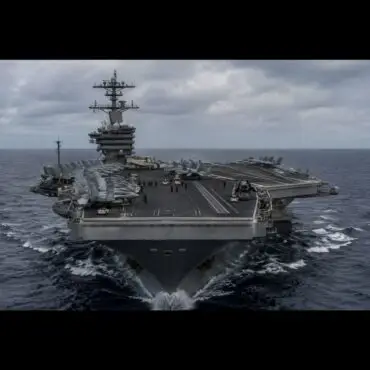
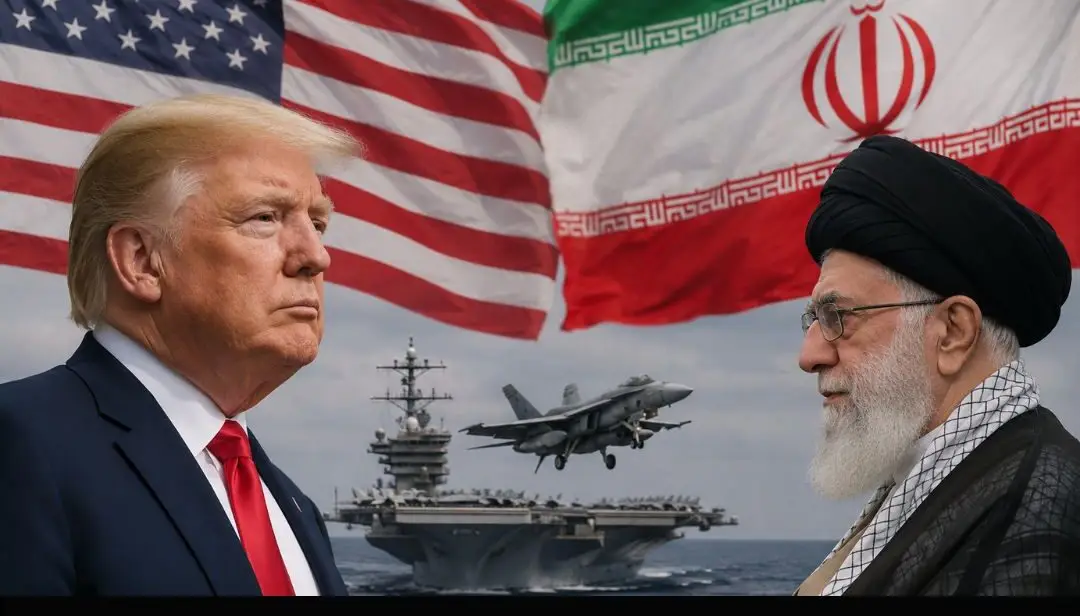
The timing has not gone unnoticed. The rename arrives as the Pentagon’s attention and a significant share of its naval assets remains consumed by the US-Iran crisis centered on the Strait of Hormuz, a critical maritime chokepoint that has been effectively shut since the US-Israeli war on Iran began on February 28, 2026.
India, notably, has tried to walk a careful line through that conflict. According to Wikipedia’s record of India’s posture in the war, India has remained officially neutral throughout the 2026 Iran war, even as it faces its own domestic energy crisis stemming from the Strait of Hormuz closure, given the country’s heavy reliance on Gulf oil imports. That neutral stance alongside India’s continued engagement with both Washington and Tehran has occasionally strained the optics of the US-India defense relationship that the 2018 renaming was designed to celebrate.
Whether the timing of the USPACOM restoration is coincidental or a quiet recalibration of how the Pentagon frames its regional priorities amid the Iran-Israel war and a potential US-Iran agreement remains a subject of speculation among regional analysts, though the Department of War has not directly linked the two.
Reaction From the Region
Indian commentary has been swift, with several outlets noting the symbolism cuts both ways. As one analysis from NewsX put it, the move “has also triggered geopolitical debate, with critics questioning whether the shift signals a changing US approach toward the Indo-Pacific strategy and the QUAD.”
China, which objected to the original 2018 renaming as a thinly veiled attempt at regional containment, has not yet issued an official response to this reversal. When the Indo-Pacific name was first adopted in 2018, Chinese foreign ministry spokesperson Hua Chunying called on Washington to “play a responsible and constructive role” in the region a line of messaging that may resurface as Beijing assesses what the rebrand means for the broader U.S. posture in Asia.
For now, the Department of War overseeing 11 combatant commands in total has framed the change purely as a matter of heritage and morale. But against the backdrop of an unresolved Iran-Israel war, a fragile US-Iran agreement still being negotiated, and a Strait of Hormuz crisis dragging into its fourth month, few moves out of the Pentagon are likely to be read as merely cosmetic. For more on the Department of War’s combatant command structure, see the official Department of War announcement.

Oil & Energy Markets
A look at crude price swings, OPEC supply moves, and how energy markets react to geopolitical shocks.

Geopolitics & Conflict
Breaking down how wars, ceasefires, and diplomatic deals ripple through global trade and security.
US Foreign Policy
Coverage of Trump administration negotiations, sanctions, and strategic decisions shaping world events.
Economy & Inflation
Tracking how commodity prices, gas costs, and supply chains affect everyday consumers.