Share This Article
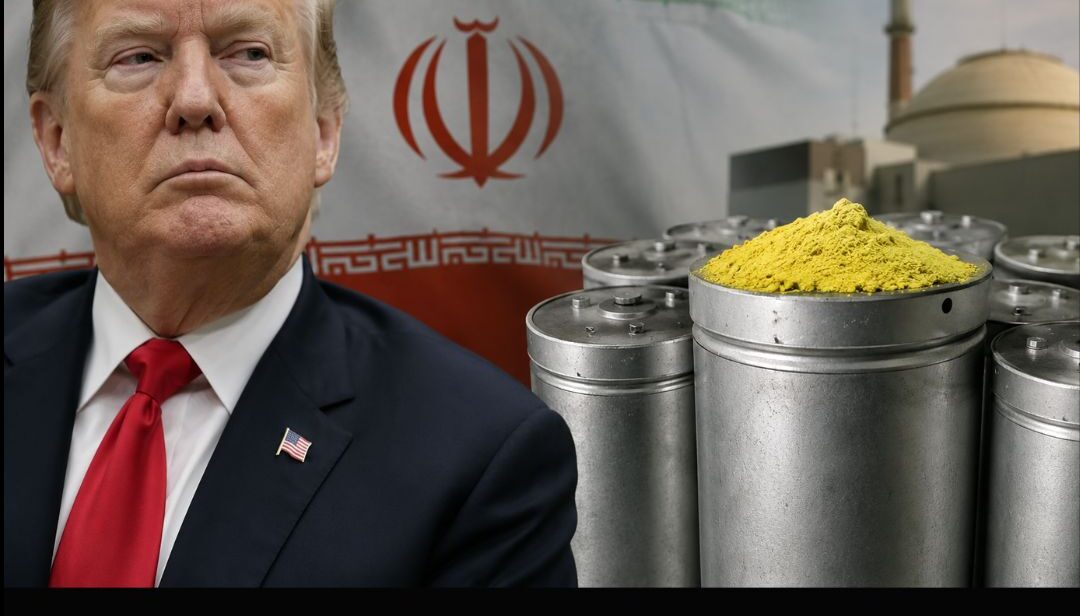
The ink is barely dry on the US-Iran ceasefire framework, the Strait of Hormuz is days away from reopening, and global oil markets have already celebrated with a 4% price drop. But beneath the diplomatic optimism lies a single, explosive variable that could unravel everything: Iran’s stockpile of 440 kilograms of near-weapons-grade uranium enough, experts warn, to build approximately ten nuclear weapons.
This is not a footnote in Trump’s Peace Deal. It is the load-bearing wall. And right now, Washington and Tehran cannot agree on what to do with it.
What 440kg of Enriched Uranium Actually Means
To understand the stakes, context matters. Iran has enriched this uranium to 60% purity just below the 90% threshold classified as weapons-grade, but technically close enough that conversion could happen within weeks under the right conditions. The International Atomic Energy Agency (IAEA) has repeatedly flagged this stockpile in its monitoring reports as a proliferation concern of the highest order.
By comparison, a single nuclear device requires approximately 25 kilograms of highly enriched uranium. Iran’s 440kg stockpile, if further enriched to weapons-grade, could theoretically fuel a small arsenal. This is precisely why the US has insisted the uranium question cannot be deferred and precisely why Iran has declared it a red line.
The Core Dispute: Hand It Over or Dilute It On-Site?
The 14-point Memorandum of Understanding signed between the US and Iran includes a commitment to “on-site uranium dilution under IAEA supervision.” On paper, that sounds like a compromise. In practice, the two sides are describing two entirely different things.
Treasury Secretary Scott Bessent stated publicly that Iran must “turn over its highly enriched uranium and agree it cannot have a nuclear program.” That language turn over implies physical removal of the stockpile from Iranian soil, most likely to a third country such as Russia, which held Iranian uranium under the 2015 JCPOA arrangement.
Iran’s position is categorically different. A senior Iranian official told Reuters that Tehran “has not agreed to hand over its highly enriched uranium stockpile” and that the nuclear issue was deliberately excluded from the preliminary peace agreement. Iranian FM Abbas Araghchi has consistently described uranium enrichment as a “sovereign right” and a “red line” that no deal can cross.
This is not a minor wording dispute. It is a fundamental disagreement about what Trump’s Peace Deal actually commits Iran to — and both sides are telling their domestic audiences different stories.
Why the Strait of Hormuz Reopening Depends on Resolving This
The 14-point MOU established a 60-day ceasefire window during which the Strait of Hormuz would reopen and full nuclear talks would begin. But if those nuclear talks collapse and the uranium stockpile is the most likely flashpoint the ceasefire framework contains no automatic mechanism to keep the Strait open.
Iran mined the Strait during the conflict. The mine-clearing operation is tied to the ceasefire holding. If the nuclear talks break down within the 60-day window, Iran retains both the legal argument and the physical capability to re-mine the waterway. The Strait of Hormuz Crisis that sent oil prices surging 64% above pre-war levels could resume with even less diplomatic runway to stop it.
Analysts at the Atlantic Council have warned that the current deal’s ambiguity on uranium is “a deliberate diplomatic fiction” one that allowed both sides to claim victory domestically but has not resolved the underlying conflict.
US-India Relations Hang in the Balance
For India, the uranium question is far from abstract. At the height of the Strait of Hormuz Crisis, India’s crude oil import bill hit $174.9 billion annually, the rupee collapsed to a record low of 95.63 against the dollar, and New Delhi was forced to reroute 70% of its crude imports through alternative corridors.
The recovery of US-India Relations and India’s energy security both depend on Hormuz staying open. Indian policymakers are watching the uranium negotiations with acute attention because a deal that collapses over the stockpile issue would send oil markets into another spiral, and India, which consumes approximately 5.5 million barrels per day, would once again be among the most exposed economies on earth.
What the Next 60 Days Look Like
The official signing ceremony is scheduled for June 19, 2026 in Switzerland. After that, the clock starts on the 60-day ceasefire window and the nuclear talks that will determine whether Trump’s Peace Deal becomes a historic legacy or a historic miscalculation.
The most likely scenario, according to analysts tracking the negotiations, is a hybrid arrangement: Iran retains its enrichment infrastructure but agrees to cap enrichment at 20% purity, dilute its existing 60%-enriched stockpile to below 5% on Iranian soil under permanent IAEA monitoring, and accept snap inspections at all declared nuclear sites.
Whether Trump can sell that outcome to Israeli PM Benjamin Netanyahu who has privately demanded full dismantlement and whether Iran can sell any concession to its hardline Revolutionary Guard, remain the two critical unknowns.
The Iran-US War Latest chapter may be ending. But the uranium chapter is just beginning and it will determine whether the peace holds.

Oil & Energy Markets
A look at crude price swings, OPEC supply moves, and how energy markets react to geopolitical shocks.

Geopolitics & Conflict
Breaking down how wars, ceasefires, and diplomatic deals ripple through global trade and security.
US Foreign Policy
Coverage of Trump administration negotiations, sanctions, and strategic decisions shaping world events.
Economy & Inflation
Tracking how commodity prices, gas costs, and supply chains affect everyday consumers.