Share This Article
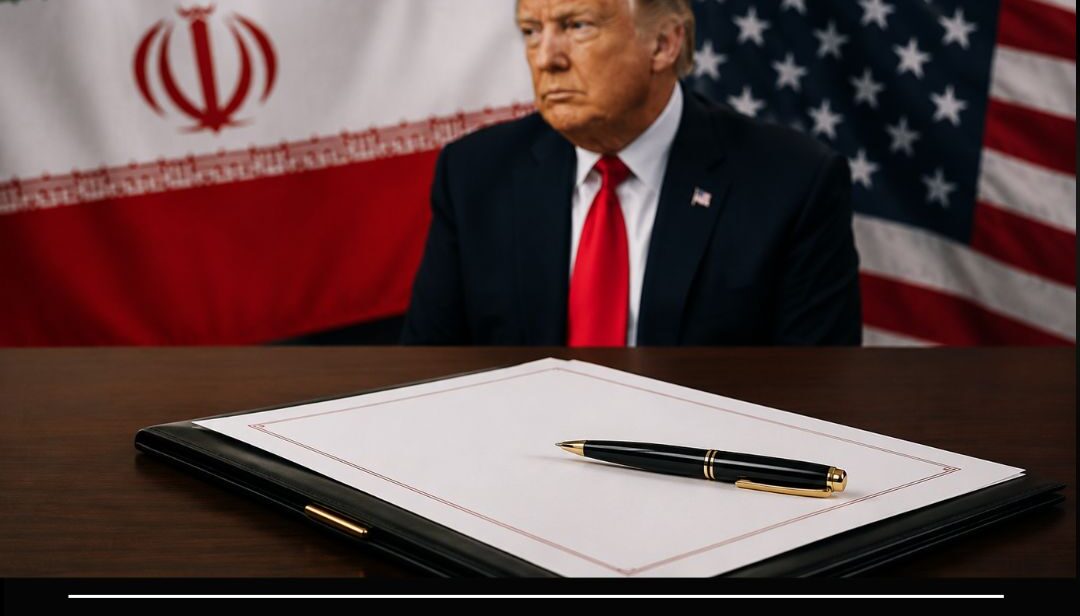
The deal to end the US-Iran war exists on paper. Negotiators on both sides have reached tentative agreement on a 60-day memorandum of understanding that would extend the ceasefire, reopen the Strait of Hormuz, and launch nuclear talks. What it does not yet have is the one signature that makes it real: Donald Trump’s.
As of May 29, 2026, the MOU is sitting unsigned. Vice President JD Vance acknowledged the situation directly in remarks that land somewhere between cautious optimism and managed uncertainty. “We’re going back and forth on a couple of language points,” Vance said. “We’ve made a lot of progress here.” When pressed on when or whether the President would sign, Vance was candid: “It’s hard to say exactly when or if the president is going to sign the MOU while negotiations continue.”
That answer, careful as it is, tells a story. The deal is close. It may not be close enough.
What Has Been Agreed
The framework negotiators have been working toward is a 60-day MOU structured around several interlocking commitments. According to Axios, the agreed elements include a ceasefire extension for the full 60-day period, an Iranian commitment to reopen the Strait of Hormuz to unrestricted shipping, and a requirement that Iran remove all mines from the waterway within 30 days of signing. In exchange, Iran would be permitted to freely sell oil on international markets a significant economic concession that Tehran has been pushing for since the blockade began in early March.
The MOU would also launch formal negotiations on limiting Iran’s nuclear program during the 60-day window, with Iran offering a broad commitment not to pursue nuclear weapons. That commitment, however, is where the language disputes are concentrated.
The Nuclear Language Problem
The sticking points that Vance alluded to are not procedural. They are substantive and they sit at the core of what makes this deal either a genuine security achievement or an expensive deferral. Bloomberg reported that the unresolved issues concern Iran’s highly enriched uranium stockpile and the question of enrichment levels going forward.
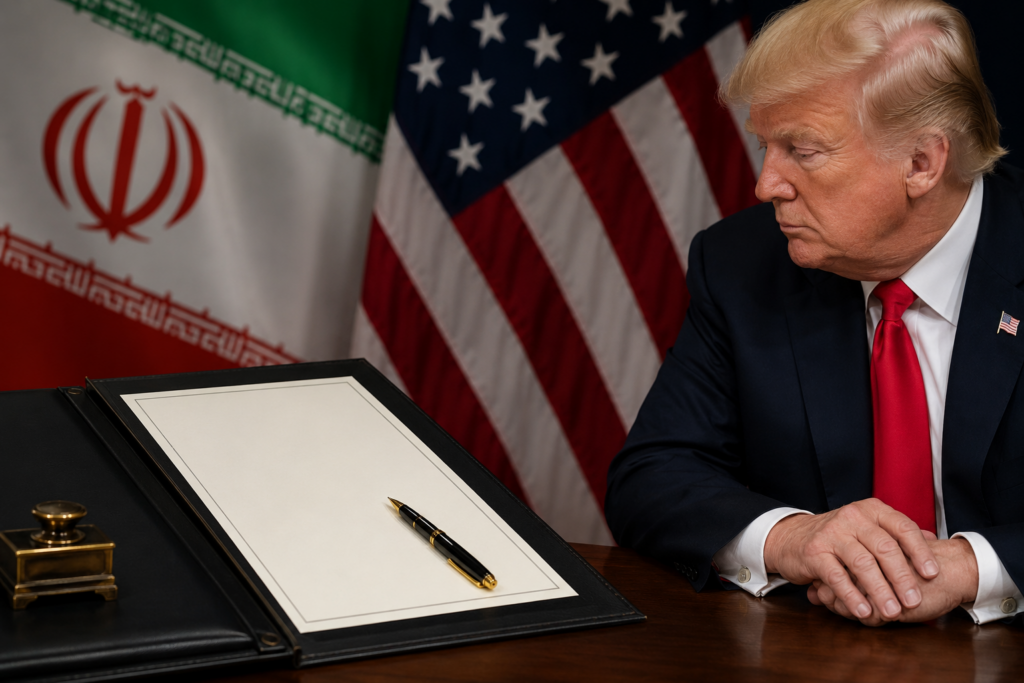
Trump’s stated position has been absolute: Iran must surrender its enriched uranium and permanently relinquish nuclear weapons capability. Iran’s position, equally consistent, is that its civilian nuclear program is sovereign and non-negotiable, and that the 60-day MOU is a ceasefire framework not a nuclear agreement. The gap between those positions has not closed. What negotiators have produced is language designed to paper over the gap sufficiently to enable a signature, and the question is whether Trump finds that language adequate or whether he judges it as the kind of ambiguity that will haunt the deal’s legacy.
Senior US officials told Axios that as of Thursday afternoon, May 28, Trump was “leaning toward signing” but had not yet committed. Trump himself said last week that the deal was “largely negotiated” and would be announced soon but also stated he was “not satisfied” with all its terms and was “not in a rush.”
The Complication: Forces Still Firing
The diplomatic fragility is compounded by the fact that US and Iranian forces exchanged fire early Thursday even as the MOU was being finalized. NPR reported that US military strikes on Iranian positions continued through the week alongside ongoing peace negotiations a pattern that has defined the entire conflict, where combat operations and diplomatic contacts have run in parallel rather than pausing for each other.
That simultaneous reality bombs falling while diplomats finalize language creates a specific political risk for Trump. If he signs the MOU and Iranian forces take an action that reads as a violation in the first days of the agreement, the domestic political consequences would be severe. Congressional hawks who have already accused Trump of being willing to “cut and run” on Iran are watching closely. The President knows it.
What Vance’s Language Tells Us
Vance’s framing “a couple of language points,” “very close,” “hard to say exactly when or if” is calibrated to avoid two failure modes simultaneously. It cannot overclaim proximity, because a further delay would look like a breakdown. It cannot acknowledge the depth of the nuclear disagreement, because doing so would signal that the deal framework itself is inadequate.
CBS News live updates noted that Vance described the timeline as “still TBD” an honest admission that the final decision rests entirely with one person, and that person has not yet made it.
The 2026 Iran war ceasefire has been the most anticipated diplomatic event of the year. With global oil markets holding near $99 a barrel, 6,000 vessels backed up outside the Hormuz blockade, and allied navies positioned to clear mines the moment fighting stops, the cost of further delay is measurable in billions of dollars per day.
The language points are few. The signature is one. The wait continues.

Oil & Energy Markets
A look at crude price swings, OPEC supply moves, and how energy markets react to geopolitical shocks.

Geopolitics & Conflict
Breaking down how wars, ceasefires, and diplomatic deals ripple through global trade and security.
US Foreign Policy
Coverage of Trump administration negotiations, sanctions, and strategic decisions shaping world events.
Economy & Inflation
Tracking how commodity prices, gas costs, and supply chains affect everyday consumers.