Share This Article
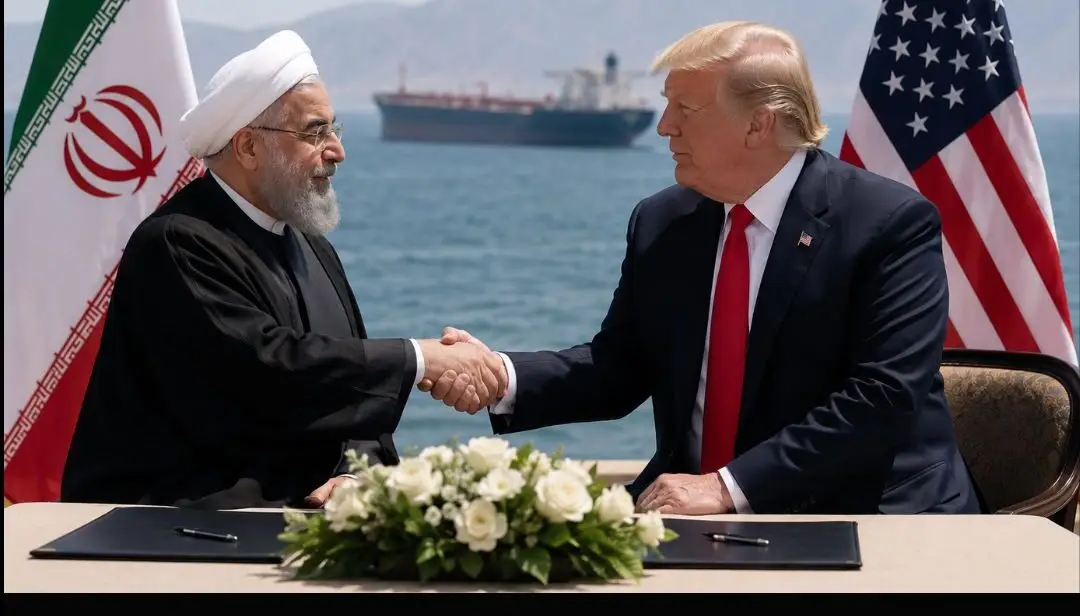
In a historic diplomatic breakthrough, the US and Iran Sign have reached a landmark peace agreement to end six months of conflict and reopen the Strait of Hormuz the critical waterway through which nearly 20% of the world’s oil supply flows daily. Oil markets responded immediately, with Brent crude falling nearly 4% and WTI plunging over 4.6% within hours of the announcement.
The deal, brokered primarily through Pakistan’s diplomatic mediation, marks the end of one of the most disruptive geopolitical crises of the decade one that reshaped global energy markets, strained US-India Relations, and threatened to permanently redraw the Middle East’s strategic map.
The 14-Point Peace Agreement: What Was Signed
The memorandum of understanding, a 14-point framework confirmed by Pakistan PM Shehbaz Sharif on June 14, 2026, includes a sweeping set of commitments from both sides.
Iran agreed to a gradual 30-day reopening of the Strait of Hormuz as its forces clear mines laid during the conflict, a 60-day ceasefire across all fronts including Lebanon, and on-site uranium dilution under IAEA supervision. Iran holds approximately 440 kilograms of near-weapons-grade uranium a stockpile that had become a central sticking point in negotiations.
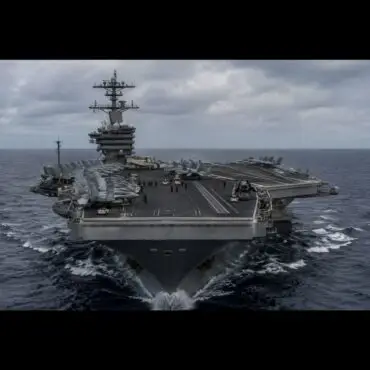
The United States agreed to immediately lift its naval blockade of Iranian ports, imposed on April 13, 2026 after earlier Islamabad talks stalled, and to provide phased sanctions relief tied to Iranian compliance with the reopening timeline. A 60-day oil sales waiver for Iran was also included.
The official signing ceremony is scheduled for June 19, 2026 in Switzerland.
“We are nearing an agreement,” Trump confirmed on June 12, calling the Strait deal one the biggest diplomatic achievements of his second term. Iranian FM Abbas Araghchi stated the two sides had “never been closer” on terms.
Oil Markets Plunge But Caution Remains
The oil price reaction was swift and significant. Brent crude dropped 3.95% to $83.88 per barrel while WTI fell 4.62% to $80.96 extending a collapse that had already seen Brent shed nearly 19% in May 2026 alone, its worst monthly decline since the COVID-19 pandemic.
At the height of the Strait of Hormuz Crisis, Brent crude had surged approximately 64% above pre-war levels. Crude oil ship traffic through the Strait had fallen 95% from pre-war levels, while LNG shipments collapsed 99% triggering an energy emergency across Asia and Europe.
However, analysts warn that the price recovery will not be instant. Shipping insurance premiums which surged from 0.25% of vessel value to as high as 8% per transit at the crisis peak will remain elevated even after the deal is signed. Very large crude carriers (VLCCs) that once chartered at under $100,000 per day hit an all-time high of $423,736 per day during the crisis. Insurers are not immediately dropping war-risk pricing.
US-India Relations: A Critical Subtext
For India, the US and Iran Sign Peace agreement carries enormous economic consequences. At the height of the Strait of Hormuz Crisis, India’s crude import bill had surged to $174.9 billion annually nearly 22% of its total import bill. The Indian rupee fell to a record low of 95.63 against the US dollar as the crisis deepened.
To cope, India rerouted 70% of its crude imports away from Hormuz and dramatically increased Russian crude purchases, which hit 38% of total oil imports by early 2026. The Indian Oil Corporation even purchased its first Iranian cargo since 2019 under a short-term US sanctions waiver.
The reopening of Hormuz now eases the energy pressure that had strained US-India Relations throughout the crisis. Under the bilateral trade framework signed in February 2026, India had committed to reducing Russian oil purchases in exchange for lower US tariffs a commitment easier to honor now that Middle Eastern supply lanes are reopening.
Pakistan’s Mediation Triumph and China’s Quiet Role
Pakistan’s Prime Minister Shehbaz Sharif will attend the June 19 signing ceremony as the deal’s primary architect. Pakistan’s army chief Field Marshal Munir served as the key interlocutor at multilateral diplomatic meetings in Islamabad and Riyadh, while Pakistan’s Interior Minister Mohsin Naqvi conducted direct talks in Tehran with President Masoud Pezeshkian.
China also played a significant, if quieter, role. Iranian FM Araghchi visited Beijing in May 2026, and Trump later confirmed that President Xi Jinping had “offered help” and expressed interest in seeing Hormuz reopened. Chinese FM Wang Yi stated plainly: “There is no point in continuing this conflict, which should not have happened in the first place.”
UN Secretary-General António Guterres expressed “deep appreciation” to mediating nations and called the agreement “a critical step towards peaceful settlement.”
What Comes Next
The 30-day mine-clearing timeline means commercial shipping will not return to full normal until mid-July at the earliest. Nuclear talks deferred from this agreement will begin within 60 days of the ceasefire taking hold, with Iran’s uranium stockpile at the center of those discussions.
For global energy markets, the direction is clear: relief. But the pace of that relief will be determined not by the signing ceremony in Switzerland, but by whether Iran’s mine-clearing crews can deliver on schedule and whether a six-month war’s worth of distrust can be set aside long enough for tankers to sail through again.

Oil & Energy Markets
A look at crude price swings, OPEC supply moves, and how energy markets react to geopolitical shocks.

Geopolitics & Conflict
Breaking down how wars, ceasefires, and diplomatic deals ripple through global trade and security.
US Foreign Policy
Coverage of Trump administration negotiations, sanctions, and strategic decisions shaping world events.
Economy & Inflation
Tracking how commodity prices, gas costs, and supply chains affect everyday consumers.