Share This Article
Two simultaneous military escalations in two separate theatres. One peace process balancing on a knife’s edge. The question that diplomats, generals, and energy markets are asking Monday night is the same: has the fragile architecture of the US-Iran war ceasefire already cracking at its foundations now been pushed past the point of recovery?
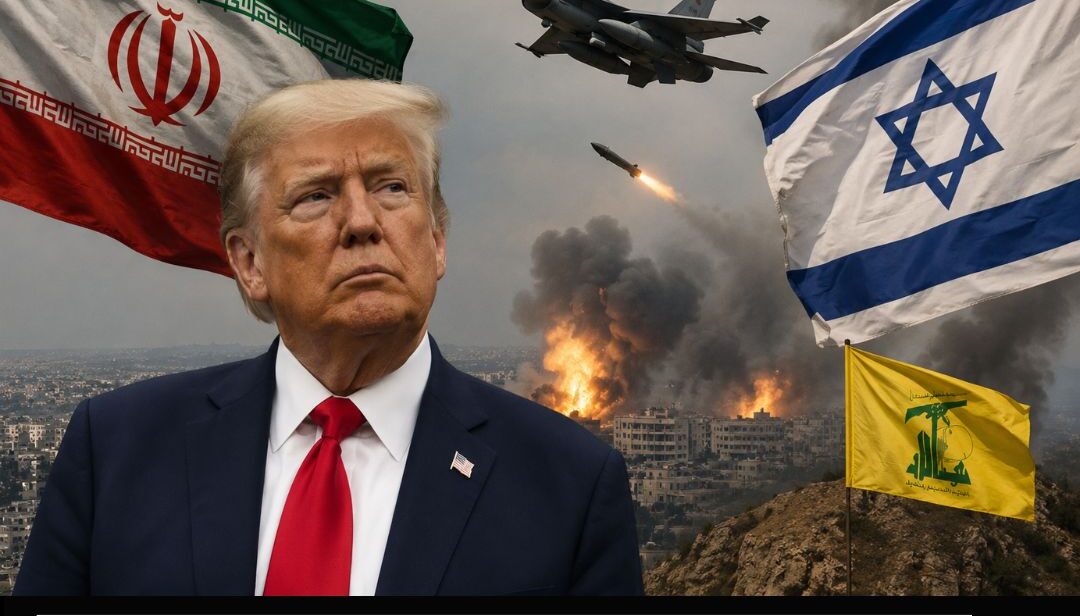
On one front, US forces carried out “self-defense strikes” against Iranian missile sites and IRGC mine-laying boats in the Strait of Hormuz. On another, Israeli Prime Minister Benjamin Netanyahu ordered a sweeping escalation against Hezbollah in Lebanon, vowing to “crush” the Iran-backed militant group after a surge of drone and rocket attacks. The two escalations are separate in geography but deeply connected in cause and together, they are testing whether the fragile ceasefire framework, now described by insiders as holding “barely,” can survive the week.
The US Strikes: Mines, Missiles, and a Ceasefire Under Strain
NPR confirmed that US forces struck Iranian positions in southern Iran on Monday targeting two IRGC boats caught actively laying sea mines in the Strait of Hormuz and destroying a surface-to-air missile site at Bandar Abbas that had been targeting American warplanes. CENTCOM described the operations as “self-defense strikes” and insisted the ceasefire remained in place.
Iran’s response was swift and pointed. The IRGC issued a formal statement declaring that it considers its “right to reciprocal response to be legitimate and certain” framing the US strikes not as a defensive action but as a ceasefire violation. CBS News reported that Iran’s foreign ministry separately accused the US of “repeated naval harassment against Iranian commercial vessels” in the Hormozgan region over the preceding 48 hours a counter-narrative designed to shift the burden of blame.
Secretary of State Rubio acknowledged the tension head-on on Tuesday morning: “There were some talks going on in Qatar today, so we’ll see if we can make progress” a carefully measured statement that confirmed diplomatic channels remain open even as guns continue firing. The House of Commons Library briefing on the 2026 US-Iran ceasefire noted that both sides have now fired shots at each other in the Strait multiple times since the ceasefire took effect in April with each incident threatening to become the one that unravels what remains of the framework.
Netanyahu Orders Escalation: “Intensify Our Blows”
In Lebanon, the situation is no less alarming. Since the US-brokered Israel-Lebanon ceasefire took effect on April 16, Hezbollah and Israel have exchanged fire on a near-daily basis. Over the past eight days alone, Times of Israel reported that Hezbollah fired over 1,000 drones and more than 700 rockets at Israel killing at least 11 Israeli soldiers since the truce in what analysts described as a deliberate campaign to derail emerging peace talks between Jerusalem and Beirut.
Netanyahu responded Monday night with maximum force and maximum rhetoric. In a video released on Telegram, he declared: “I have ordered an even greater acceleration of our operations. We will intensify our blows, increase our firepower, and we will crush them.”
France 24 confirmed that the IDF launched a wave of airstrikes on Hezbollah infrastructure across the Bekaa Valley a region rarely hit since the April truce as well as in Tyre and surrounding areas in southern Lebanon. Al Arabiya reported that residents began fleeing southern Beirut Monday night after Netanyahu’s message was released, fearing a return to the weeks of heavy bombardment that preceded the April 16 ceasefire. PBS NewsHour confirmed that Israeli military strikes on Hezbollah sites were ongoing as Netanyahu vowed to “increase the blows.”
The Lebanon-Iran Linkage: Tehran’s Leverage Play
What makes the Lebanon escalation particularly dangerous for the broader US-Iran talks is Iran’s explicit and longstanding insistence that any peace deal must include a halt to fighting on all fronts including Lebanon.
Iranian foreign ministry spokesman Baghaei stated the position plainly: “Stopping the war on all fronts, including Lebanon, will be one of the elements of the possible understanding.” Al Jazeera’s reporting on Iran’s ceasefire response confirmed that Tehran has previously warned it would end the ceasefire if Israel continued attacks on Lebanon a red line that Netanyahu’s Monday escalation is now explicitly testing.
Israel’s position remains the opposite: that the ceasefire applies to its conflict with Iran, not to its campaign against Hezbollah in Lebanon, which it frames as a separate and ongoing security necessity. CNN reported that fresh Israeli strikes had already raised fears the Lebanon ceasefire was collapsing as far back as May 10 and the situation has deteriorated significantly since.
The 2026 Lebanon war Wikipedia entry documents the ceasefire’s turbulent history: brokered April 16, extended three weeks in late April, extended again for 45 days on May 15 each extension buying time while the underlying conflict continued to simmer and occasionally explode.
Can the Talks Survive Two Simultaneous Escalations?
The diplomatic architecture currently holding together the broader peace effort is simultaneously managing the US-Iran direct war, Iran’s insistence on a Lebanon ceasefire, and Israel’s refusal to accept Lebanon as part of the deal it signed. That triangulation was always unstable. Monday night’s events have made it acutely so.
US News reported that right-wing ministers had been pressing Netanyahu to resume strikes on Beirut itself a move that would almost certainly collapse Iran’s participation in Qatar talks and force Tehran to either abandon its leverage play or formally resume hostilities.
CNN’s analysis of ceasefire collapse fears identified the core structural problem: two ceasefires one for Iran, one for Lebanon are being treated as separate by Israel and as inseparable by Tehran. Every Israeli strike on Hezbollah gives Iran grounds to claim the ceasefire is being violated and to reassess its participation in US-Iran talks. Every US strike in the Strait gives Iran the same grounds from a different direction.
Trump, for his part, insisted Monday that talks with Iran are “proceeding nicely.” Rubio said there is “still a deal possible.” But with IRGC boats laying mines, US forces striking Bandar Abbas, Netanyahu ordering his military to crush Hezbollah, and residents fleeing Beirut the question of whether truce negotiations can survive this week is not rhetorical. It is urgent.

Oil & Energy Markets
A look at crude price swings, OPEC supply moves, and how energy markets react to geopolitical shocks.

Geopolitics & Conflict
Breaking down how wars, ceasefires, and diplomatic deals ripple through global trade and security.
US Foreign Policy
Coverage of Trump administration negotiations, sanctions, and strategic decisions shaping world events.
Economy & Inflation
Tracking how commodity prices, gas costs, and supply chains affect everyday consumers.