Share This Article
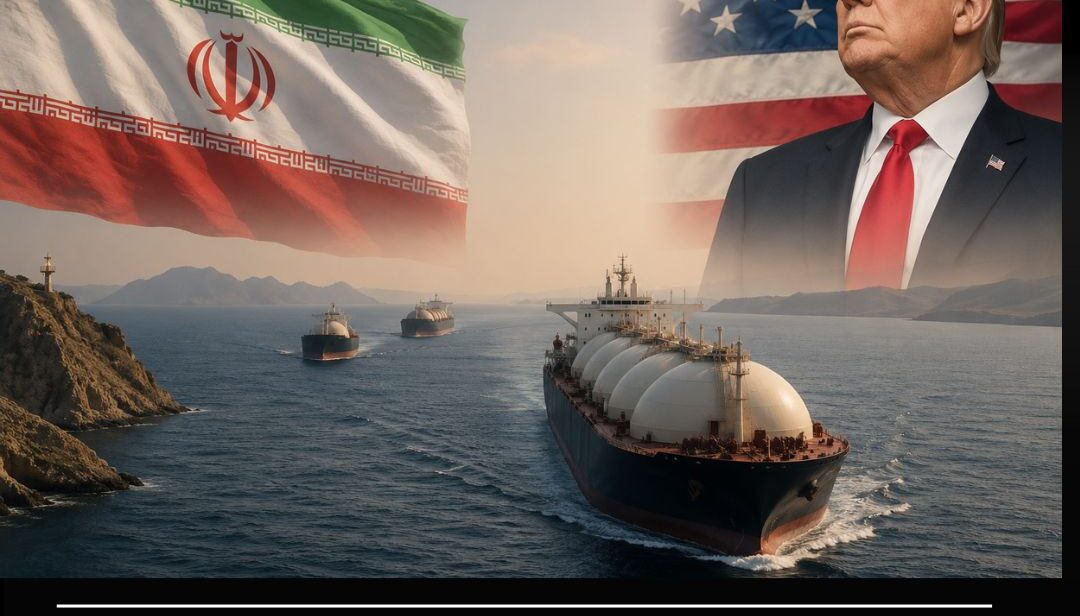
For the first time in nearly three months, oil and liquefied natural gas tankers are moving again through the Strait of Hormuz cautiously, partially, and in some cases with their tracking transponders switched off. It is a fragile and tentative reopening, not a restoration. But in the context of what the world’s most critical energy chokepoint has endured since February 28, even limited movement is a signal that global energy flows are beginning slowly and unevenly to shift.
The question is not whether the Strait will eventually reopen. It is how long the damage will last, and what the world looks like on the other side.
The Scale of What Closed
When Iran sealed the Strait of Hormuz on March 4 in retaliation for the US-Israeli strikes that launched the 2026 Iran war, it did not merely close a shipping lane. It effectively switched off 25% of the world’s seaborne oil trade and 20% of global LNG supply in a single move.
The numbers that followed were staggering. Saudi Aramco CEO Amin Nasser disclosed that over 600 tankers became stranded inside the Persian Gulf, with another 240 waiting outside the strait on the Arabian Sea side, unable to pass in either direction. Iraq’s crude sat loaded and immovable. Qatar’s LNG which supplies Europe, Asia, and South Asia stopped flowing. The 2026 Iran war fuel crisis triggered the largest single oil supply shock on record, with global output falling by an estimated 10 million barrels per day at its peak.
Brent crude, sitting at $72 per barrel before the war began, surged past $120 within two weeks of the Strait closure. LNG spot prices in Asia already the world’s largest import market spiked by over 140%. CNN’s visual deep dive showed graphically how the world’s most trafficked energy corridor shrank from a roaring highway to a trickle, with just 191 vessels recorded crossing the entire Strait in the month of April a fraction of pre-war daily totals.
Tankers Going Dark and Moving Anyway
As US-Iran talks have gained cautious momentum over the past two weeks, a handful of tankers have begun attempting transits but not openly. OilPrice.com reported a defining new trend: tankers switching off their AIS tracking transponders “going dark” to move through the strait without broadcasting their position to Iranian naval forces or satellite monitoring.
According to Insurance Journal, three confirmed Very Large Crude Carriers (VLCCs) exited the strait within a single week in mid-May carrying approximately 6 million barrels of crude oil their transponders disabled throughout. The vessels spanned multiple flag states and ownership structures, including mainstream commercial operators who had previously avoided such evasion tactics, suggesting that dark-sailing has moved from the shadow fleet fringe into standard commercial practice under current threat conditions.
Gulf News confirmed that two LNG tankers crossed out of the Gulf bound for Pakistan and China in recent days, while a supertanker carrying Iraqi crude for China stranded since February finally exited the strait over the weekend. The movements are limited, unsteady, and occurring under conditions Iran has imposed — but they are happening.
Iran’s Control Play: Alternative Routes and Danger Zones
Iran has not simply closed the Strait. It has attempted to reshape it as a tool of leverage and revenue. The Iranian Revolutionary Guard Corps (IRGC) published a map designating so-called “alternative routes” that channel traffic through Iran’s territorial waters past Larak Island enabling Iranian navy checks, inspections, and what Tehran has described as a future tolling system.
The House of Commons Library briefing on reopening the Strait confirmed that the IRGC simultaneously designated the previous International Maritime Organization (IMO) shipping corridor a “danger zone” effectively forcing vessels choosing to pass without Iranian permission through waters that Iran has mined and actively patrols.
This is the core of what Secretary of State Marco Rubio has called “not acceptable” and what Republican hawks fear a weak deal will entrench permanently. Allowing Iran to control passage fees and inspection rights through the Strait even informally would transform a temporary crisis into a permanent structural shift in who governs global energy flows.
Asia’s Dependency Exposed
The geography of who gets hurt makes the Hormuz crisis unmistakably an Asian energy crisis as much as a Middle Eastern military one. According to Wikipedia’s economic impact analysis, China, India, Japan, and South Korea collectively account for 75% of oil and 59% of LNG exports from Gulf states that normally pass through the Strait of Hormuz.
Japan and South Korea, both heavily reliant on Gulf LNG with limited alternative supply options, have faced acute shortages. India’s refining sector deeply integrated with Iraqi and Saudi crude flows has been forced to source expensive spot cargoes from West Africa and the US Gulf Coast. China, Iran’s largest pre-war oil customer, has lost access to discounted Iranian crude while paying elevated prices in alternative markets.
The IEA has described the crisis as “the greatest global energy security challenge in history” a designation that reflects not just price volatility but the deeper vulnerability of an interconnected global economy built around a single, now-contested chokepoint.
Recovery: Months Away, Not Days
Even as diplomats edge toward a deal and tankers begin moving again, energy executives are issuing stark warnings about the timeline for genuine recovery. ADNOC Chief Executive Sultan Al Jaber was blunt: “Even if this conflict ends tomorrow, it will take at least four months to get back to 80% of pre-conflict flows and full flows will not return before the first or even second quarter of 2027.”
The reason is structural, not just logistical. Hundreds of tankers need repositioning. Shipping insurance markets which repriced drastically after the crisis began need time to normalize. Iran’s mines need verified removal. Port infrastructure across the Gulf, disrupted for months, needs to restore operational capacity.
Discovery Alert’s analysis of dark tanker movements noted that even reduced observable throughput keeps upward pricing pressure alive, because commodity markets price uncertainty as aggressively as they price actual scarcity. Until vessels can transit the Strait openly, on standard routes, under normal insurance conditions, the crisis is not over it has merely changed shape.
What the Reopening Would Actually Mean
If the US-Iran talks produce a signed framework this week as Trump suggested was imminent before stepping back to say “time is on our side” the deal’s Hormuz provisions call for Iran to de-mine the strait, reopen it to free navigation without tolls, and allow the gradual resumption of normal commercial traffic. The US would simultaneously lift its naval blockade and issue sanctions waivers for Iranian oil sales.
The tankers going dark today are already betting, ship by ship, that some version of that deal is coming. The question is whether the deal that arrives will be strong enough to ensure the Strait stays open or whether it merely pauses a crisis that remains one miscalculation away from reigniting.
For the world’s energy markets, the answer will be felt at every petrol station, power plant, and container port that depends on what moves through those 33 kilometres of water between Oman and Iran.

Oil & Energy Markets
A look at crude price swings, OPEC supply moves, and how energy markets react to geopolitical shocks.

Geopolitics & Conflict
Breaking down how wars, ceasefires, and diplomatic deals ripple through global trade and security.
US Foreign Policy
Coverage of Trump administration negotiations, sanctions, and strategic decisions shaping world events.
Economy & Inflation
Tracking how commodity prices, gas costs, and supply chains affect everyday consumers.